
Beautiful Plants For Your Interior
Beautiful Plants For Your Interior
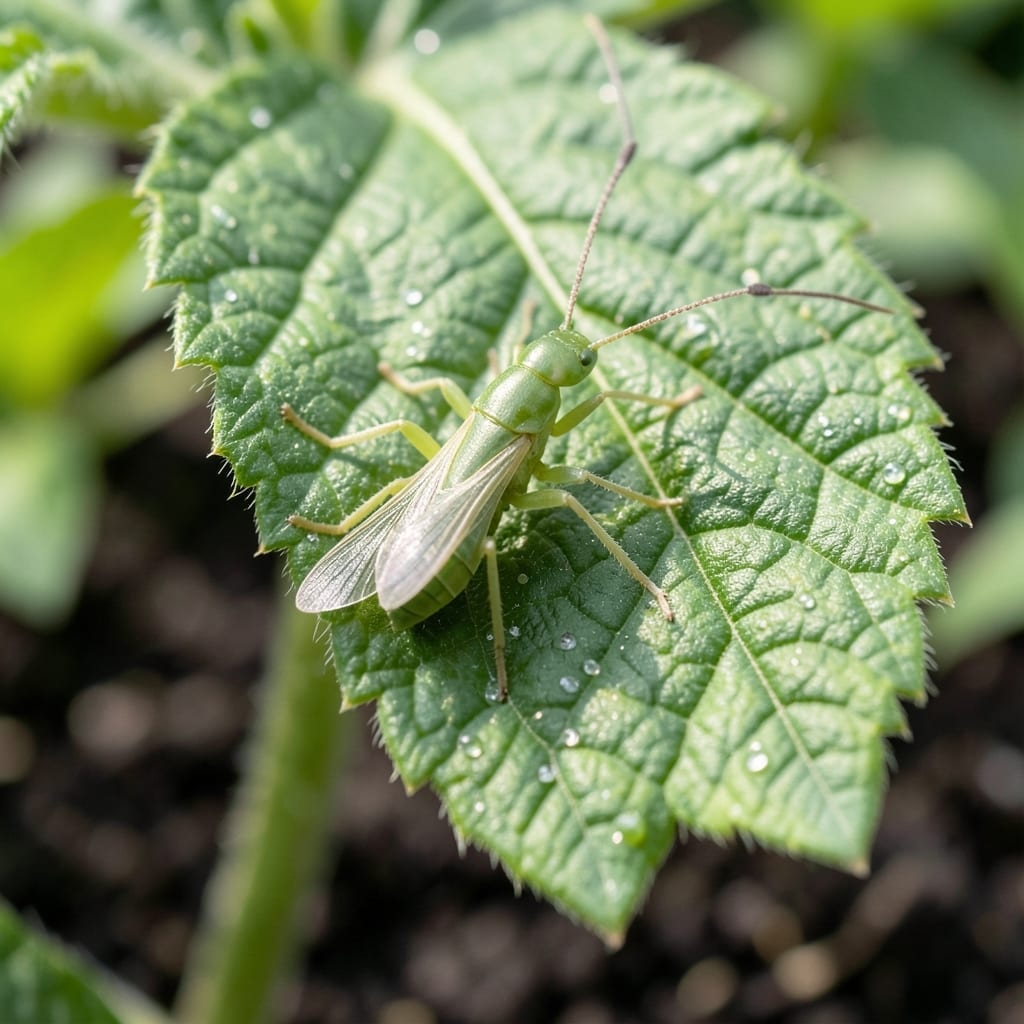
Yes, aphids are harmful pests that weaken plants by sucking sap, causing yellowing leaves, stunted growth, and spreading diseases. They also produce honeydew that attracts ants and mold.
These tiny insects can rapidly multiply, turning a minor infestation into a full-blown crisis for your garden. 🔥 I’ve seen them strip entire plants of nutrients in just a few days, leaving them vulnerable to secondary infections. Beyond the direct damage, their sticky honeydew can coat leaves, blocking sunlight and promoting sooty mold growth.
💡 In This Article
Aphids pierce plant cells with needle-like mouthparts to extract sap from phloem vessels. This process removes essential nutrients like nitrogen, potassium, and carbohydrates that plants need for growth. A single aphid can consume 5-10 times its body weight in sap daily, rapidly depleting a plant’s resources. 💫
Their feeding causes visible distortion in new growth. Leaves often curl inward as cells collapse from the loss of turgor pressure, while stems may twist or swell at feeding sites. On roses, this creates the characteristic “rose aphid gall” where tissue proliferates abnormally.
The damage is most severe in young plants, which can lose 30-50% of their growth potential during peak infestation periods.
Beyond direct feeding, aphids transmit over 200 different plant viruses as they move between plants. These include cucumber mosaic virus and potato leafroll virus, which can spread through a garden in 48-72 hours during active feeding. The viruses multiply within plant cells, causing systemic infections that often prove fatal. ✨
Their honeydew production creates secondary problems. This sticky substance contains 50-60% sugars by weight, providing an ideal medium for sooty mold fungi. The black mold coating can reduce photosynthesis by 30-40% in severe cases, while attracting protective ants that ward off natural predators like ladybugs and lacewings.
What’s particularly insidious is their reproductive strategy. Aphids can produce 50-100 offspring in a week through parthenogenesis, with each generation maturing in 7-10 days. This exponential growth means a few insects on Monday can become thousands by Friday under optimal conditions. 🔥
Aphids can deplete nutrients rapidly, with visible damage appearing in 3-7 days. Young plants may show 30-50% growth reduction within weeks if untreated.
Soft-stemmed plants like roses, tomatoes, and lettuce are prime targets. Aphids also favor new growth on peppers, cucumbers, and beans.
Severe infestations can be fatal, especially for seedlings. The combination of nutrient loss, virus transmission, and mold growth often proves deadly.
Ants are attracted to the honeydew aphids produce. They protect aphids from predators to maintain this sugar source.
Organic methods like neem oil or insecticidal soap often suffice for home gardens. Chemical pesticides should be a last resort.