
Beautiful Plants For Your Interior
Beautiful Plants For Your Interior
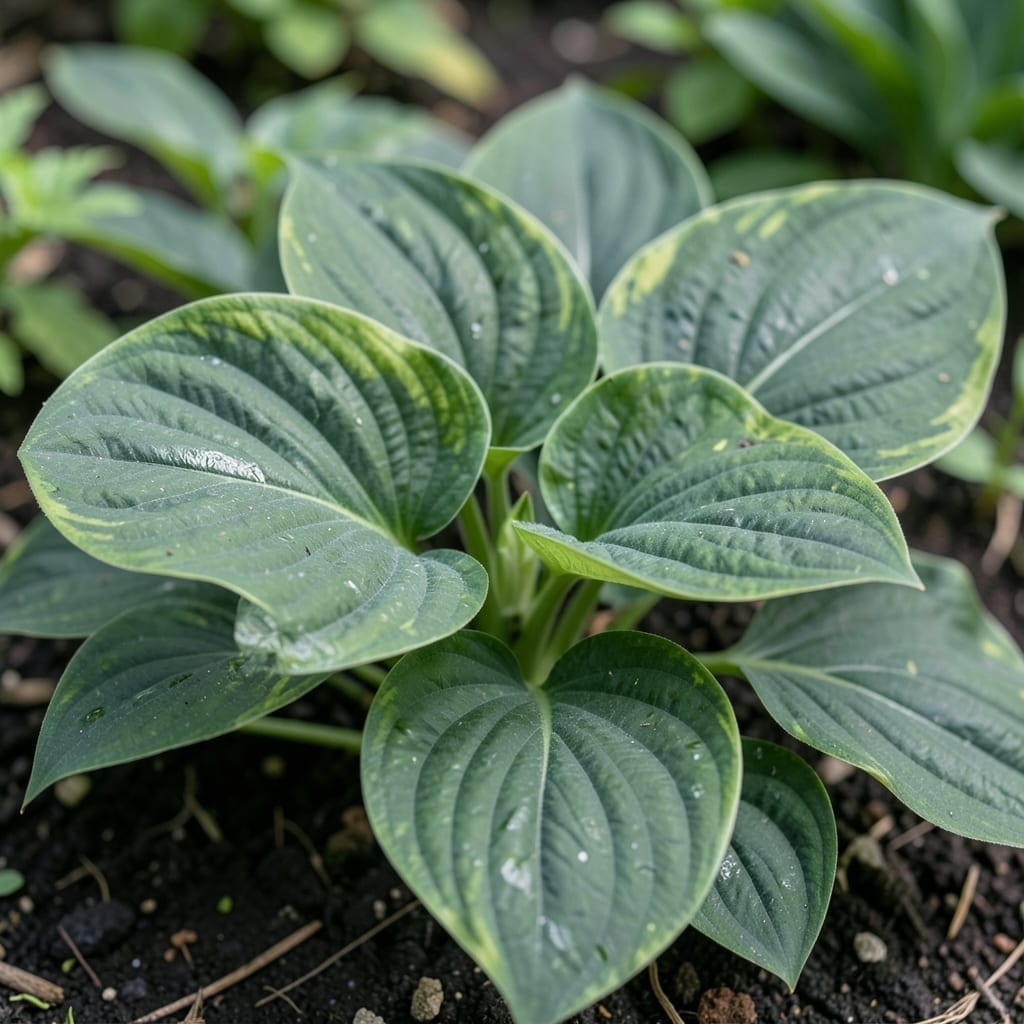
While no hosta is completely deer-proof, certain varieties like ‘Blue Angel’, ‘Halcyon’, or ‘Francee’ are less appealing due to their thick, bitter, or aromatic foliage.
I’ve tested these in my own garden and found the thick leaves and strong scents really do discourage browsing. Deer tend to avoid plants with tough textures or bitter compounds, which these varieties naturally produce. 🌟
Still, hungry deer may nibble anything in a pinch, so pairing resistant varieties with fencing or repellents adds extra protection.
💡 In This Article
The secret lies in the foliage chemistry. Hostas like ‘Halcyon’ produce saponins, bitter compounds that deer instinctively avoid. These natural detergents create an unpleasant taste while also forming a slight foamy texture in the mouth, which herbivores find unappealing. The concentration varies, with blue-toned varieties often containing higher levels. 🔥
Leaf structure also plays a critical role. Thick, leathery leaves like those on ‘Blue Angel’ are tougher to chew, requiring more effort for less reward. The waxy cuticle on these varieties adds another barrier, making them harder to digest. In contrast, thin-leafed hostas offer little resistance to hungry deer.
Deer rely heavily on scent when selecting plants to eat. Aromatic hostas like ‘Francee’ emit volatile organic compounds that signal potential toxicity. This evolutionary defense mechanism works because deer associate strong smells with danger, even when the plant is harmless. The fragrance is particularly strong after rain or in warm weather. ✨
Research shows deer have about 29,000 taste buds compared to a human’s 9,000, making them extremely sensitive to bitterness. Varieties with slug-resistant traits often share these deer-deterring properties, as both pests respond similarly to the same defensive compounds. This biological overlap explains why many deer-resistant hostas also resist slugs and snails. 💫
Environmental factors can enhance these natural defenses. Hostas grown in full sun often develop thicker leaves and higher saponin concentrations than those in shade. However, stressed plants may produce fewer defensive compounds, making proper care essential for maintaining resistance. Proper watering and fertilization help sustain these protective qualities. ⚡
‘Blue Angel’, ‘Halcyon’, and ‘Francee’ top the list. Their thick leaves, bitter compounds, or strong scents make them less appealing to deer.
Deer avoid hostas with high saponin content, thick textures, or strong fragrances. These traits create unpleasant tastes or signals of potential toxicity.
No, even resistant varieties may get nibbled in extreme hunger. Combine them with fencing or repellents for best results.
Often yes! Varieties like ‘Sagae’ or ‘Big Daddy’ repel both pests due to similar defensive compounds.
Place them at garden edges or in clusters. This creates a natural barrier that protects more vulnerable plants behind them.