
Beautiful Plants For Your Interior
Beautiful Plants For Your Interior
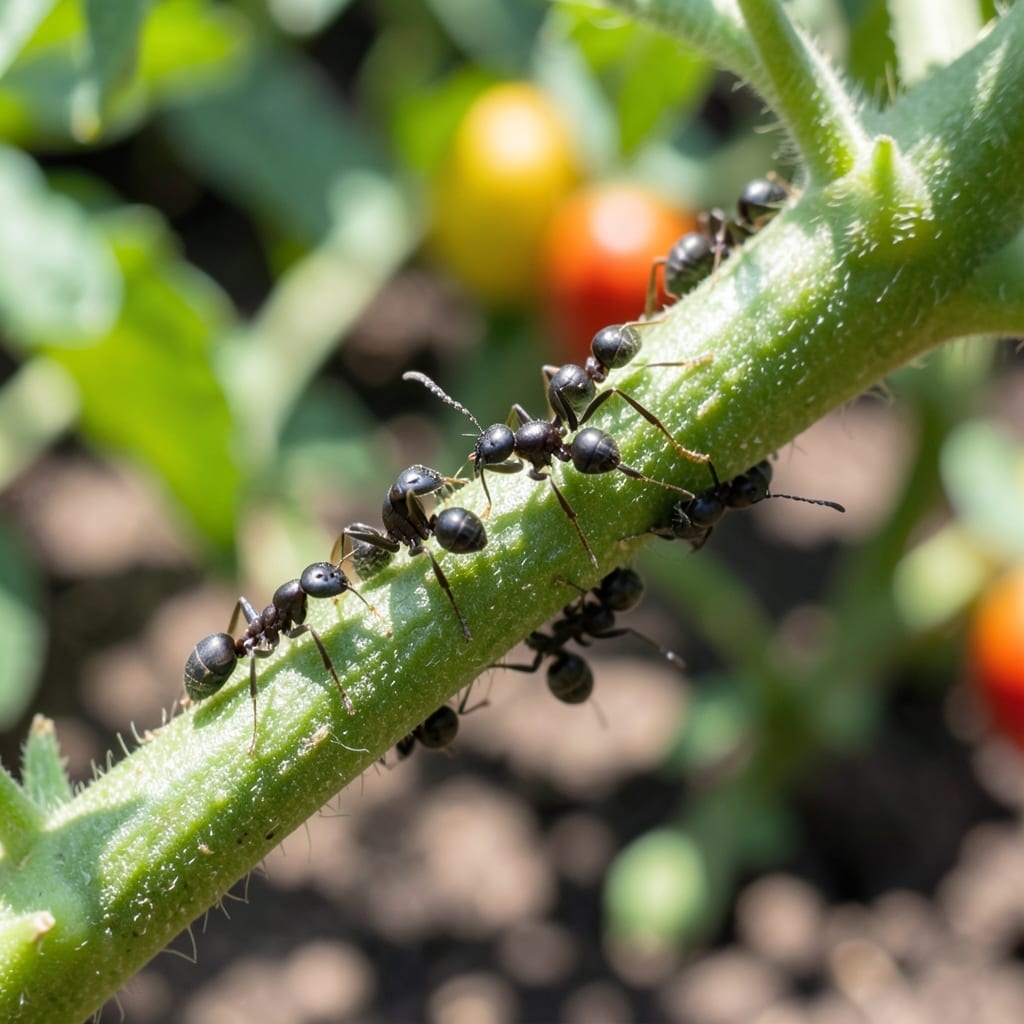
Ants can indirectly harm plants by protecting sap-sucking pests like aphids, but they also aerate soil and control other insects. Their impact depends on species and garden conditions.
I’ve seen gardens thrive with ants present because they break up soil, improving water and nutrient flow to roots. 🌱 Yet their relationship with aphids can create problems—ants “farm” these pests for honeydew, shielding them from predators and worsening plant damage. Some ant species even defend plants from herbivores, showing how their role shifts based on the ecosystem.
💡 In This Article
Ants engage in a fascinating behavior called trophobiosis with aphids and other sap-sucking insects. They stroke the pests with their antennae to stimulate honeydew production, then consume this sugar-rich secretion as their primary food source.
In return, ants aggressively defend their “herds” from predators like ladybugs and lacewings, allowing aphid populations to explode by up to 500% in some cases.
This symbiotic relationship directly harms plants as aphids pierce plant tissues to feed on phloem sap, weakening growth and spreading viral diseases. Studies show aphid-infested plants can experience 30-50% reduced yields in vegetable crops. The ants’ protective behavior effectively turns them into unwitting accomplices to plant damage, despite their own beneficial soil-aerating activities.
Conversely, some ant species like the Lasius niger create mutualistic relationships with plants. They patrol leaves and stems, attacking caterpillars and beetles that would otherwise consume foliage. These protective ants can reduce herbivore damage by 60-90% in certain ecosystems, demonstrating their dual role as both protectors and potential pests.
Ants also improve soil structure through their constant tunneling. Their networks of galleries enhance water infiltration by 10-20% and increase oxygen availability to roots. This underground activity can boost plant growth rates by 15-25% in well-drained soils, particularly benefiting shallow-rooted species like lettuce and radishes. 🌱
However, aggressive mound-building species like fire ants can smother plant roots and stems. Their large colonies, sometimes containing 250,000 workers, create dense underground networks that disrupt root systems. These ants may also prune plant tissues to maintain clear pathways, which can stress or even kill young seedlings.
The balance ultimately depends on the specific ant species present. While wood ants primarily nest in trees and rarely interact with ground-level plants, Argentine ants form supercolonies that can overwhelm entire garden beds with their aphid-herding activities.
Yes, many ant species actively protect aphids and other sap-sucking insects. They stroke these pests to collect honeydew, then defend them from natural predators like ladybugs, allowing pest populations to grow 500% larger than normal.
Ant tunnels enhance soil aeration and water drainage by 10-20%. Their constant digging distributes nutrients and can boost plant growth rates by 15-25% in well-drained soils.
Fire ants and Argentine ants cause the most damage. Fire ants smother roots with dense mounds, while Argentine ants create supercolonies that overwhelm gardens with aphid herding.
Watch their behavior. If they’re patrolling leaves for caterpillars or aerating soil, they’re beneficial. If you see them tending to aphid clusters on stems, they’re likely harming your plants.