
Beautiful Plants For Your Interior
Beautiful Plants For Your Interior
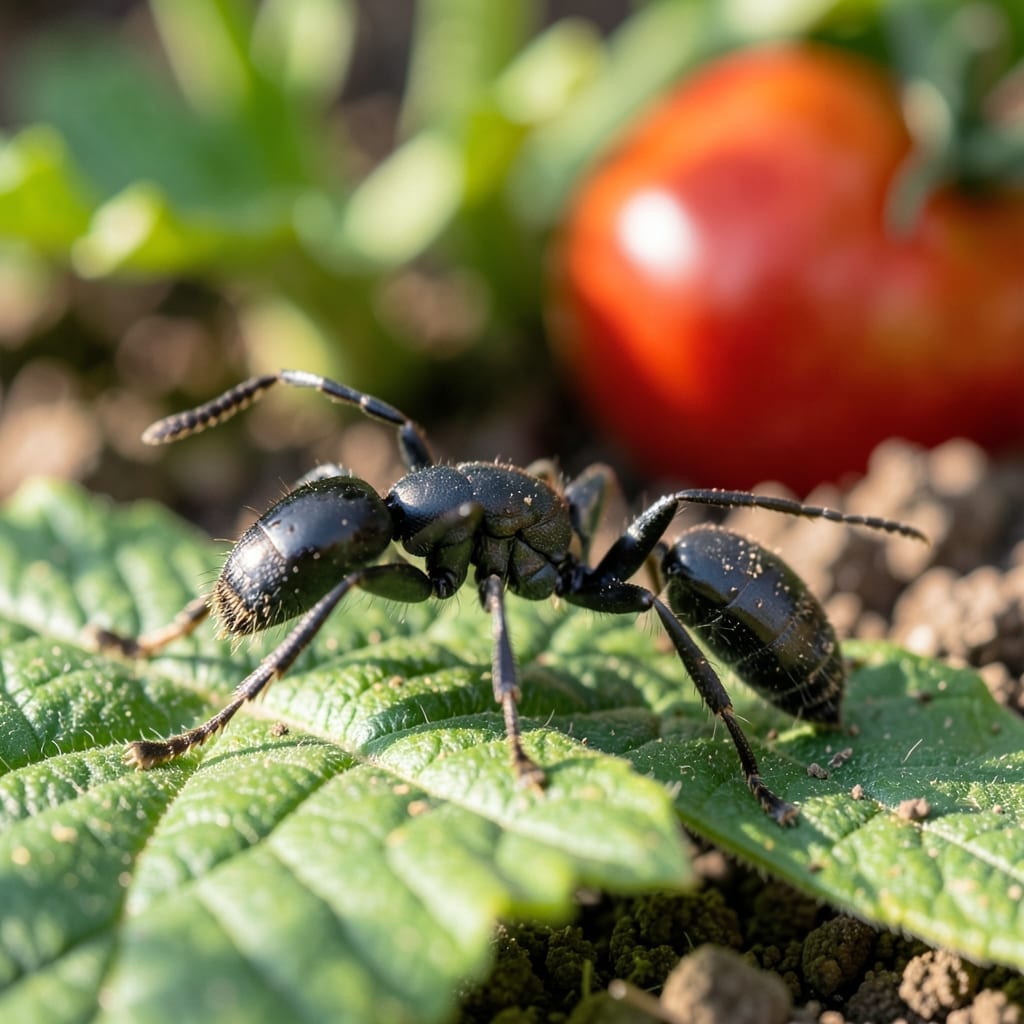
Ants benefit gardens by aerating soil, controlling pests like caterpillars, and dispersing seeds. However, they can also protect harmful insects like aphids and disrupt plant roots.
I’ve seen firsthand how these tiny workers improve soil structure through their tunneling, which helps water and nutrients reach plant roots more effectively. 🔥 Their pest-hunting habits can reduce the need for chemical treatments, but their symbiotic relationship with aphids means you might need to monitor for unwanted outbreaks. Balancing their presence is key to maximizing garden health.
💡 In This Article
Ants act as nature’s tiny engineers, constantly moving soil particles as they build their intricate tunnel networks. This process, called bioturbation, improves soil aeration by 20-30% compared to undisturbed ground. The tunnels also create pathways for water to penetrate deeper, reducing runoff and increasing moisture retention at the root level where plants need it most.
🔥
Their role in pest control is equally impressive. A single ant colony can consume thousands of caterpillars, beetle larvae, and other soft-bodied pests each day. Studies show fire ants alone can reduce pest populations by 50-80% in vegetable gardens.
They’re particularly effective against pests that damage leaves and stems, acting as a living pesticide without chemical residues.
Seed dispersal represents another critical contribution. Many ant species collect seeds and carry them to their nests, where the outer seed coat is removed before consumption. In this process, viable seeds often get deposited in nutrient-rich soil, giving them a better chance to germinate.
Some plants, like bloodroot and trillium, have evolved special seed appendages called elaiosomes specifically to attract ants. ✨
Ants also accelerate decomposition by breaking down organic matter. They shred leaves and dead insects into smaller pieces, increasing the surface area for microbial action. This process can speed up composting by 30-40% in garden settings, making nutrients available to plants faster than through natural decay alone.
Their activity even affects soil chemistry. Ant hills concentrate organic material and nutrients, creating localized hotspots of fertility. These mounds can have 2-3 times more nitrogen and phosphorus than surrounding soil, which benefits nearby plants. Over time, this redistribution helps create more uniform soil fertility throughout the garden.
However, their relationship with aphids demonstrates nature’s complexity. While ants protect these plant pests from predators, they do so to harvest the honeydew aphids produce. This symbiotic relationship can lead to 3-5 times more aphid infestations on plants near ant colonies, potentially outweighing the benefits of their pest control services. 💫
Most ants provide benefits, but some like fire ants can be aggressive and damage plants. Carpenter ants may nest in wood, potentially harming structures. Stick to native species for the best garden balance.
Their tunneling aerates soil, improving drainage and root growth. They also redistribute nutrients through their waste, creating fertile pockets. This can boost plant health by 20-30%.
Yes, they may protect pests like aphids for their honeydew. Large colonies can disturb plant roots or create unsightly mounds. Monitor for 3-5 times more aphids near ant activity.
Use 1-2 inch barriers of diatomaceous earth or cinnamon. Encourage predators like birds and toads. Avoid chemicals to preserve their beneficial roles.