
Beautiful Plants For Your Interior
Beautiful Plants For Your Interior
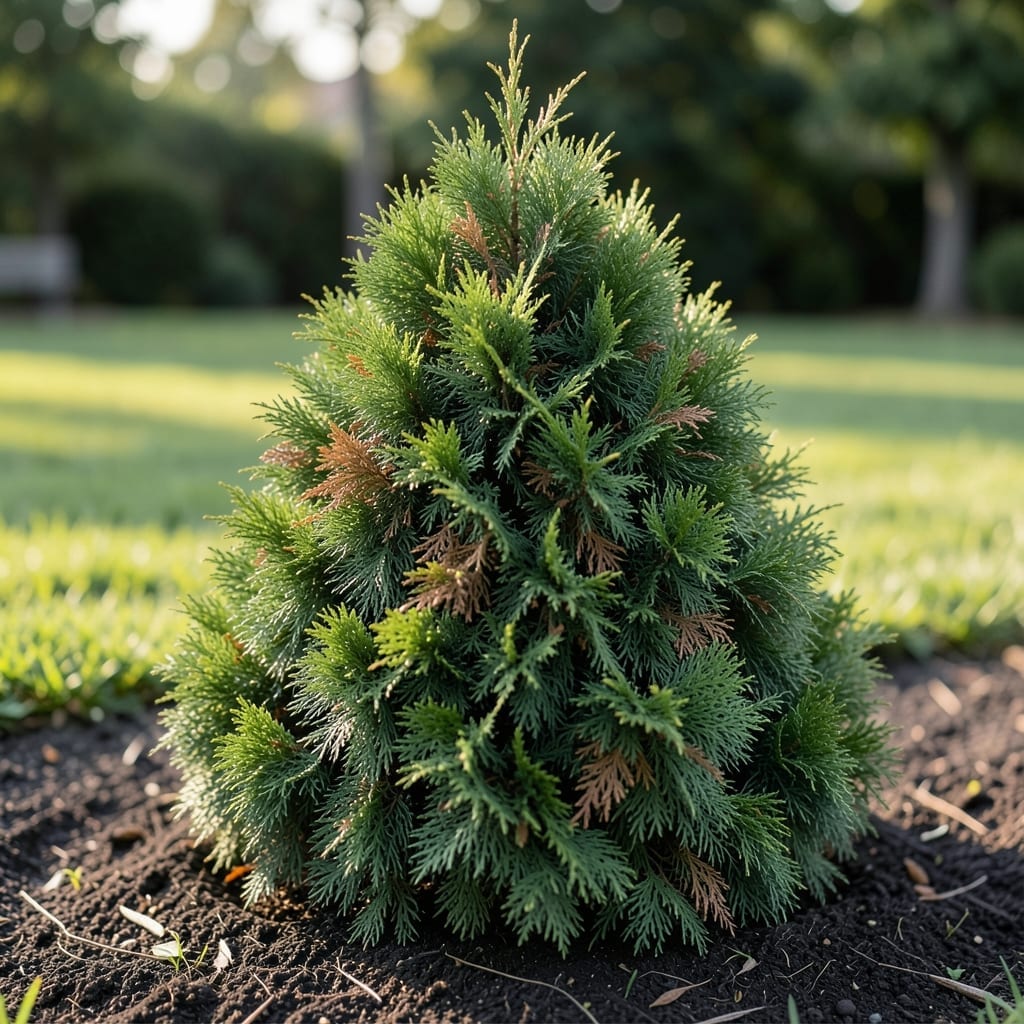
Watching your arborvitae turn brown is frustrating. I’ve been there, staring at sad, crispy foliage wondering what went wrong.
Most cases come down to 3 simple issues: stress from drought, winter burn, or pests hiding in the branches. The good news? Each has a straightforward fix once you know what you’re dealing with.
You’ll see new green growth return within 4-6 weeks of addressing the root cause. The key is catching it early before the damage spreads.
Works for any arborvitae variety, from small hedges to tall privacy screens. Let’s figure it out.
Arborvitae shrubs turning brown can be alarming, but the causes are often tied to environmental stress, pests, or poor care. Here’s a breakdown of the most common culprits and why they trigger discoloration:
Arborvitae thrive in consistently moist soil. When exposed to prolonged drought or extreme heat, their needles lose moisture faster than the roots can replenish it. This leads to desiccation, where the foliage turns brown from the outside in. Shallow root systems make them especially vulnerable during dry spells.
Too much water is just as harmful as too little. Soggy soil suffocates the roots, preventing oxygen uptake and promoting root rot (often caused by Phytophthora fungi). As roots die, the shrub can’t transport water and nutrients, causing browning that starts at the base and spreads upward.
Fungi like Cercospora and Didymascella thujina (cedar leaf blight) thrive in humid conditions. They infect needles, creating brown or yellow patches that spread if untreated. Poor air circulation or overhead watering exacerbates the problem.
Spider mites, bagworms, and aphids sap the shrub’s vitality by feeding on its foliage. Spider mites, in particular, cause stippling (tiny yellow or brown speckles) that merges into larger brown areas. Bagworms create silk bags that encase needles, leading to localized dieback.
In cold climates, arborvitae lose moisture through their needles (a process called transpiration) but can’t replace it from frozen soil. Wind exposure worsens the effect, resulting in brown or bronze foliage on the windward side by late winter or early spring.
Arborvitae prefer slightly acidic to neutral soil (pH 6.0–7.5). Highly alkaline or salty soil (from road salt or hard water) disrupts nutrient absorption, leading to chlorosis (yellowing) followed by browning. Test soil pH if other causes seem unlikely.
If your arborvitae shrubs are turning brown, don’t panic—there are practical ways to bring them back to life. Below, we map each common cause to a clear fix, plus prevention tips to keep them thriving.
Brown, crispy foliage often signals thirsty roots. Fix it: Water deeply at the base (not the leaves) once a week during dry spells, giving 1–1.5 inches of water per session. Use a slow-dripping hose to encourage deep root growth. Prevention: Mulch 2–3 inches around the base (keep mulch away from the trunk) to retain moisture. 💡 Pro tip: Water in the early morning to reduce evaporation.
Brown patches with a musty smell? Fungi like Phomopsis or Kabatina may be to blame. Fix it: Prune affected branches (sterilize shears with rubbing alcohol between cuts) and apply a copper-based fungicide. Space shrubs properly to boost airflow. Prevention: Avoid overhead watering, and thin out dense foliage annually.
Spider mites, bagworms, or deer browsing can cause browning. Fix it: For mites, spray with insecticidal soap or neem oil. Handpick bagworms or use Bacillus thuringiensis (Bt) for caterpillars. Deter deer with fencing or repellents. Prevention: Inspect shrubs weekly in spring/summer for early signs of pests.
Brown foliage after winter? Dry winds and frozen soil starve roots of water. Fix it: Prune dead branches in spring (new growth will emerge). Prevent it: Wrap shrubs in burlap in late fall, and water thoroughly before the ground freezes. Anti-desiccant sprays can also help.
If browning starts at the base, the roots may be suffocating. Fix it: Dig up the shrub (if recently planted), loosen the root ball, and replant in well-draining soil at the same depth. Prevention: Plant in a spot with full sun to partial shade and space shrubs 3–4 feet apart.
With the right care, your arborvitae can recover and stay lush for years. Start with the most likely cause, then adjust as needed!
Water deeply once a week during dry spells, providing 1–1.5 inches of water per session. Use a slow-dripping hose to encourage deep root growth. Always water at the base, not the leaves.
Dead brown branches won’t regrow, but the rest of the shrub can recover with proper care. Prune dead areas in early spring to allow new growth to emerge. Healthy green foliage often returns within 4-6 weeks.
Wrap shrubs in burlap in late fall and water thoroughly before the ground freezes. Anti-desiccant sprays can also help reduce moisture loss from wind exposure.
Avoid fertilizing stressed shrubs—it can worsen the problem. Focus on fixing the root cause (water, pests, or disease) first. Once healthy, fertilize in early spring with a balanced product.