
Beautiful Plants For Your Interior
Beautiful Plants For Your Interior
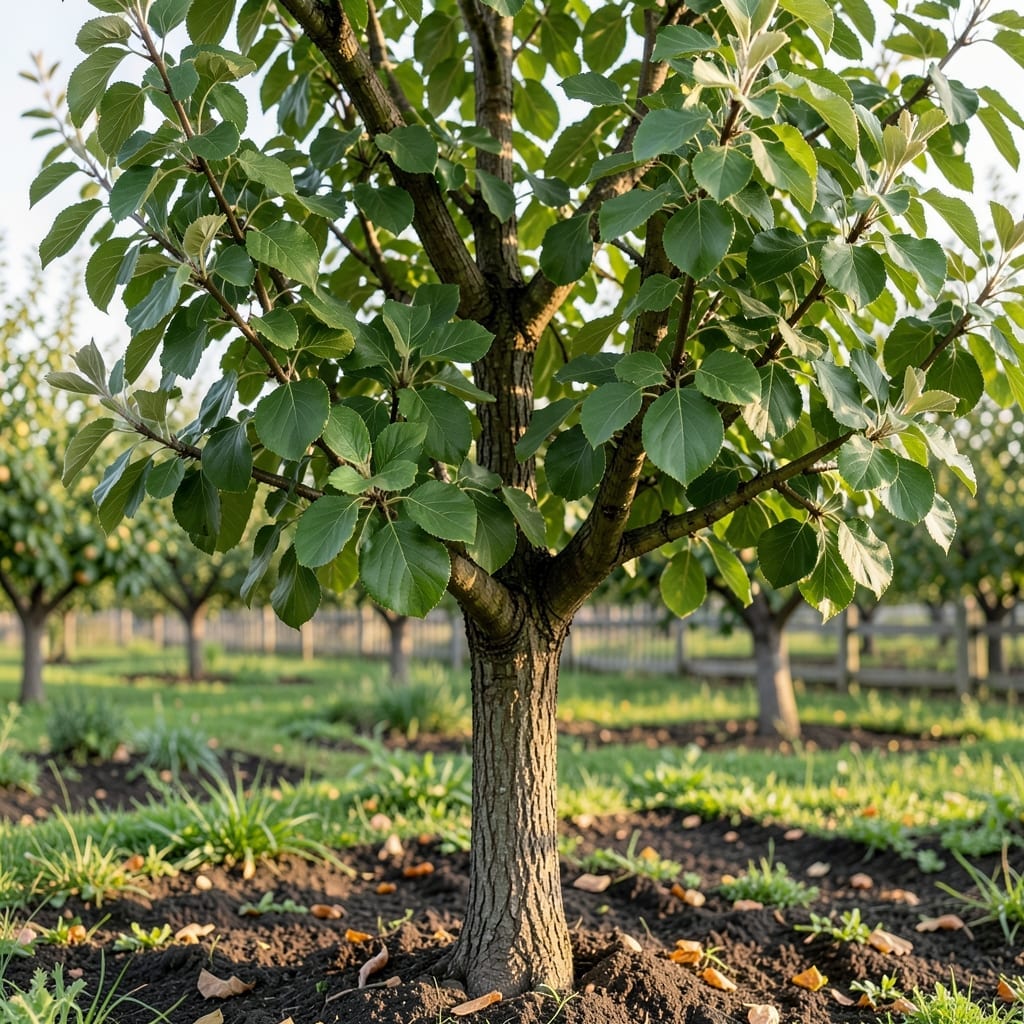
Those delicate apricot leaves can be misleading. I learned the hard way they contain compounds that can be harmful if mishandled, especially to pets and livestock.
Proper care starts with recognition—wilting, spotting, or premature drop often signals trouble. Catching issues early keeps your tree healthy and your yard safe.
📚 In This Guide
Here’s how to identify, handle, and avoid the risks associated with apricot tree leaves safely.
Apricot tree leaves contain amygdalin, a compound that converts to cyanide when ingested. This toxin is present in all parts of the plant except the ripe fruit flesh. The highest concentration is in the leaves, stems, and seeds—never consume these raw.
You’ll notice the leaves have a slightly bitter, almond-like scent when crushed. This is a key warning sign. Even small amounts can cause symptoms like headache, dizziness, or nausea, so treat all non-fruit parts as potentially dangerous.
Always wear protective gloves when pruning or handling apricot tree foliage. This prevents accidental transfer of toxins to your skin or mouth. I keep a dedicated pair of gardening gloves for toxic plants to avoid cross-contamination.
Dispose of pruned leaves and branches in sealed bags—never burn them. Burning releases cyanide gas, which is highly hazardous. Instead, compost them separately or discard them with household trash to ensure safety.
Children and pets are most at risk due to their curiosity and smaller body size. Teach kids never to put leaves, stems, or seeds in their mouths. For pets, monitor them closely around apricot trees, especially during pruning or leaf drop.
If you suspect ingestion, contact Poison Control immediately. Symptoms like vomiting, rapid breathing, or confusion require urgent medical attention. I keep the Poison Control number saved in my phone for quick access.
Avoid using apricot leaves as mulch or compost in edible gardens. The toxins can leach into the soil and affect other plants. Instead, use them in non-edible landscaping areas, far from vegetable beds or fruit trees.
If you’re growing apricot trees for fruit, focus on the ripe produce and discard all other parts responsibly. This ensures you enjoy the benefits without the risks associated with the leaves and seeds.
Here’s what I’ve learned from years of working with these plants safely.
Identification Tip: The bitter, almond-like scent when crushing apricot leaves is your first warning. This distinct aroma comes from the amygdalin compound, which signals the presence of cyanide. Trust your nose—if you detect this scent, handle with extreme caution and never allow it near food preparation areas.
Safety Protocol: In Step 2, when handling prunings, the sealed bag disposal method isn’t just a suggestion—it’s critical. Cyanide gas from burning can be lethal in enclosed spaces. I once made the mistake of adding apricot leaves to my regular compost pile, only to realize later they could contaminate my entire vegetable garden.
Emergency Preparedness: Keep the Poison Control number (1-800-222-1222) not just saved in your phone, but posted visibly in your garden shed or kitchen. In Step 3’s scenario with children or pets, seconds count. Symptoms can escalate rapidly, and having the number immediately accessible can make all the difference.
Garden Zoning: For Step 4, create a dedicated “toxic plant” area in your landscape, at least 20 feet from any edible gardens. This isn’t just about soil contamination—it prevents accidental cross-contact when harvesting. I use colored landscape flags to visually mark these zones as an extra precaution.
Yes, apricot tree leaves contain amygdalin, which can release cyanide. Ingesting them in large quantities may cause poisoning. Always avoid consuming them raw or in teas unless properly processed.
Yes! Once dried and chopped, apricot leaves can be composted. The cyanide compounds break down during decomposition, but avoid using fresh leaves in large amounts.
For culinary or medicinal uses, try dried apricot fruit, almond leaves (in moderation), or herbal teas like chamomile. These are non-toxic and offer similar benefits.
Watch for symptoms like vomiting, diarrhea, or lethargy. If suspected, contact a vet immediately. Keep pets away from fallen leaves to prevent accidental ingestion.
Prune in late winter or early spring before new leaves emerge. This reduces exposure to toxic compounds and promotes healthy growth.