
Beautiful Plants For Your Interior
Beautiful Plants For Your Interior
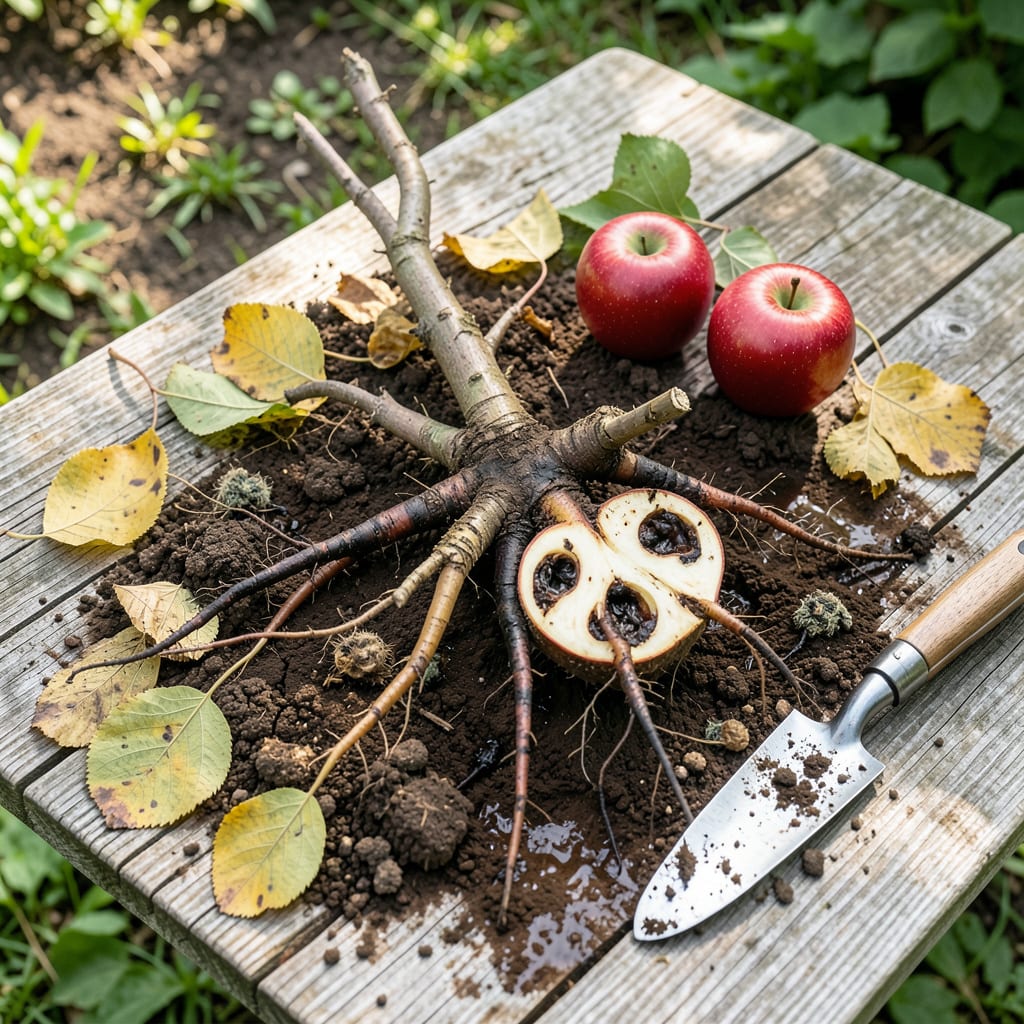
Three apple trees in, I finally learned to read the roots before the leaves. Wilting foliage and stunted growth often start underground, where soggy soil or hungry pests are quietly sabotaging your tree’s foundation.
Most root problems stem from poor drainage, compacted soil, or unseen invaders like voles and root borers. Catching these early saves years of frustration—and the tree itself.
With the right diagnosis and a few simple tools, you can reverse damage and restore vigor. I’ve saved trees that looked doomed by addressing the root cause, literally.
Prevention is simpler than cure: test soil before planting, ensure proper drainage, and inspect roots annually. Here’s how to keep them thriving.
Apple tree root problems often stem from environmental, biological, or cultural factors. Understanding the why behind these issues is key to prevention and treatment. Below are the most common causes, broken down for clarity.
Apple trees thrive in well-draining, loamy soil with a pH of 6.0–7.0. Compacted or waterlogged soil suffocates roots, limiting oxygen uptake and encouraging rot. Clay-heavy or sandy soils can also restrict root growth, leading to stunted development. A soil test can reveal deficiencies in nitrogen, phosphorus, or potassium—essential for root health.
Too much water drowns roots, promoting fungal diseases like Phytophthora root rot. Conversely, drought forces roots to grow shallowly in search of moisture, making the tree unstable. Apple trees need 1–2 inches of water per week, delivered deeply to encourage strong, deep root systems.
Root-feeding pests (e.g., apple maggots, nematodes) weaken roots by tunneling or consuming them. Fungal pathogens like Armillaria (honey fungus) or Verticillium wilt infect roots, causing decay or dieback. These invaders thrive in stressed trees, so maintaining vigor through proper care is critical.
Mechanical injuries from tilling, construction, or improper planting can sever or bruise roots, leaving them vulnerable to disease. Even girdling roots—where roots wrap around the trunk—can choke the tree over time. Always handle roots gently during transplanting and avoid compacting soil near the base.
Frost heaving in winter can expose and damage shallow roots, while extreme heat dries out the soil. Mulching with 2–4 inches of organic material (e.g., wood chips) insulates roots and retains moisture, mitigating temperature stress.
Tackling apple tree root problems early can save your tree and restore its health. Below are targeted solutions for common root issues, along with prevention tips to keep your tree thriving.
If your tree’s roots are waterlogged or discolored, root rot may be the culprit. Fix it by improving drainage—amend heavy clay soil with organic matter like compost or sand. For severe cases, trim affected roots with sterilized pruners and treat the remaining roots with a fungicide containing copper or phosphorous acid. Allow the soil to dry slightly between waterings to discourage fungal growth.
Prevention: Plant in well-draining soil, avoid overwatering, and use mulch to regulate moisture without suffocating roots. 💡
Microscopic nematodes can weaken roots, stunting growth. Combat them by solarizing the soil: cover the base with clear plastic for 4–6 weeks in summer to kill pests with heat. For persistent issues, apply beneficial nematodes (e.g., Steinernema carpocapsae) or neem oil as a natural treatment.
Prevention: Rotate crops in the area, remove infected plants, and keep the soil healthy with organic amendments. ✨
Yellowing leaves or poor growth may signal a lack of nitrogen, potassium, or other essential nutrients. Revive your tree with a balanced fertilizer (e.g., 10-10-10) or organic options like bone meal (for phosphorus) or compost. Test your soil first to pinpoint deficiencies—kits are available at garden centers.
Prevention: Fertilize annually in early spring and mid-summer, and top-dress with compost to maintain nutrient levels. 🎯
Roots that circle the trunk can choke the tree, cutting off water and nutrients. Fix it by carefully exposing the roots and pruning the offending ones with clean, sharp tools. For young trees, loosen the roots at planting to prevent coiling. Severe cases may require professional help.
Prevention: Inspect roots during planting, and use containers that promote outward growth for saplings. 🌡️
Regularly check your tree’s roots and soil conditions to catch problems early. A little attention goes a long way in keeping your apple tree productive and healthy!
Look for wilting leaves, yellowing foliage, or stunted growth. Roots may appear dark, mushy, or smell foul. Dig gently around the base to inspect.
Amend clay soil with compost or sand. For sandy soil, add organic matter like peat moss. Plant in raised beds if drainage remains poor.
Yes, if caught early. Carefully expose the roots and prune the circling ones. Severe cases may need professional help to avoid further damage.
Provide 1–2 inches of water weekly, delivered deeply. Adjust for rainfall and avoid soggy soil to prevent rot.
