
Beautiful Plants For Your Interior
Beautiful Plants For Your Interior
Apple trees can attract pests and diseases that threaten your harvest. I’ve dealt with my share of troubled trees, and early identification is key to saving your crop.
This guide helps you spot common issues like scab, aphids, or powdery mildew and take action before they spread. With the right approach, your trees can stay healthy and productive for years.
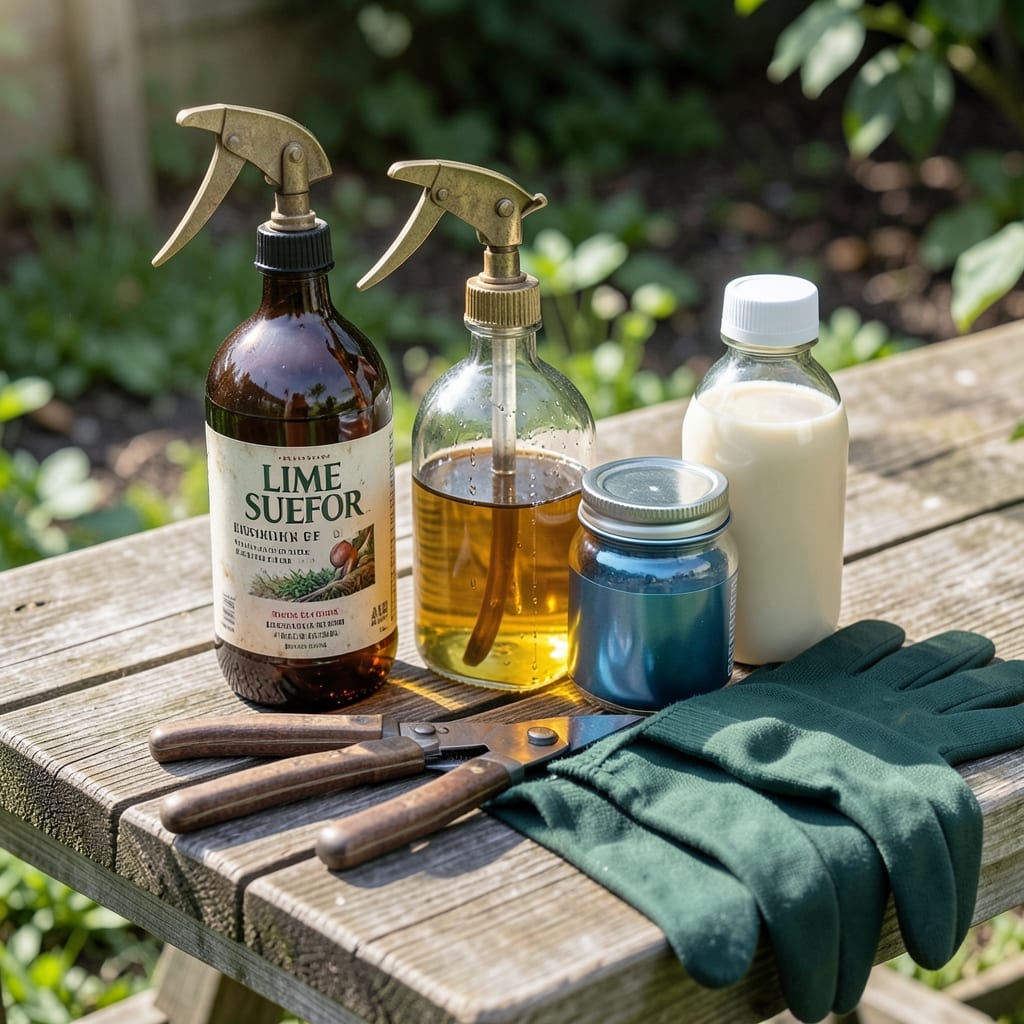
A few key supplies keep your apple trees healthy and pest-free all season long.
| Ingredient | Amount | Notes |
|---|---|---|
| Neem Oil 🌿 | 1 quart | Cold-pressed for best results |
| Horticultural Oil 🌾 | 1 quart | Dormant season application |
| Copper Fungicide 🛡️ | 1 lb | Prevents fungal spores |
| Insecticidal Soap 🪲 | 1 gallon | Target soft-bodied pests |
| Pruning Shears ✂️ | 1 piece | Sterilize between cuts |
| Garden Gloves 🧤 | 1 pair | Protect hands from chemicals |
| Spray Pump 💦 | 1 piece | Adjustable nozzle preferred |
| Sticky Traps 🪤 | 10 pieces | Monitor flying pests |
| Compost Tea 🌱 | 1 gallon | Boosts tree immunity |
| Lime Sulfur 🌡️ | 1 quart | Dormant spray only |
[recipeingredientscaler]
Neem and horticultural oils are game-changers for organic control (the cold-pressed kind works best). Local garden centers like Home Depot or Lowe’s carry these, but I order mine online for bulk savings. Look for OMRI-listed products to ensure organic compliance.
No spray pump? A hand-held spray bottle works for small trees. Insecticidal soap doubles as a fungicide in a pinch (trust me on this). If copper fungicide isn’t available, sulfur-based alternatives work—just don’t mix them with oils.
Store oils in a cool, dark place—they degrade in heat. Pruning shears last forever if you wipe them down after use. I keep extra sticky traps in the shed for early pest detection next season.
Here’s the method I use to keep my orchard healthy without harsh chemicals.
In late winter, before buds swell, mix the 1 quart Lime Sulfur with water according to label instructions and apply using the Spray Pump. This kills overwintering pests and fungal spores hiding in bark crevices. Wear the Garden Gloves to protect your hands from the solution.
I always spray on a dry, calm day when temperatures are above 40°F. Cover every branch thoroughly, including the trunk and ground beneath the tree. You’ll see the difference come spring—fewer curled leaves and no powdery mildew.
Hang the 10 pieces Sticky Traps in the tree canopy as soon as buds open. These catch apple maggot flies, codling moths, and other flying pests before they lay eggs. Replace traps every 2-3 weeks or when they’re covered in debris.
Check traps weekly. If you notice an uptick in catches, it’s time to act. I’ve found that placing traps at eye level on the tree’s sunlit side gives the best results. This early warning system prevents infestations before they start.
For soft-bodied pests like aphids or mites, mix the 1 gallon Insecticidal Soap with water and spray directly on affected leaves using the Spray Pump. Soap disrupts their cell membranes, so they dehydrate and die within hours. Apply in the early morning or late evening to avoid leaf burn.
I reapply every 4-7 days until the pests are gone. For fungal issues like scab or powdery mildew, use the 1 lb Copper Fungicide instead, following label rates. Always wear the Garden Gloves when handling these solutions.
Once a month during the growing season, drench the soil around the tree with the 1 gallon Compost Tea. This boosts beneficial soil microbes, which help the tree resist pests and diseases naturally. Use the entire gallon for each mature tree.
I also prune out any diseased or damaged branches with the Pruning Shears, sterilizing the blades with rubbing alcohol between cuts. Remove at least 6 inches below visible damage to ensure you get all the infected tissue. Proper sanitation here prevents problems from spreading.
For ongoing pest control, alternate applications of 1 quart Neem Oil and 1 quart Horticultural Oil every 10-14 days during the growing season. Neem disrupts pest life cycles, while horticultural oil suffocates them on contact. Always apply in the evening to avoid harming bees.
I’ve found this rotation keeps most issues in check without building resistance. Stop treatments 2 weeks before harvest to ensure fruit is safe to eat. With this approach, your trees will stay productive and healthy for years.
In Texas, apple tree pests like codling moths and aphids thrive in the warm climate. Fire blight, a bacterial disease, is also a common issue due to high humidity. Growers often use neem oil and beneficial insects like ladybugs to combat these problems naturally. Regular pruning helps improve airflow, reducing disease risk.
The humid climate of the Carolinas makes apple trees susceptible to powdery mildew and apple scab. Preventative fungicide sprays and resistant varieties like Liberty or Enterprise are popular. Pest-wise, apple maggots are a concern, so traps and sanitation are key.
Midwest orchards in Kansas City often face cedar-apple rust, a fungal disease spreading from nearby cedar trees. Horticultural oils and timely fungicide applications help manage it. Pests like scale insects and mites are controlled with dormant oil sprays in early spring.
Memphis growers battle brown rot and sooty blotch due to the region’s heat and humidity. Copper fungicides and proper sanitation (removing fallen leaves and fruit) are essential. For pests, oriental fruit moths are a challenge, requiring pheromone traps and targeted insecticides.
