
Beautiful Plants For Your Interior
Beautiful Plants For Your Interior
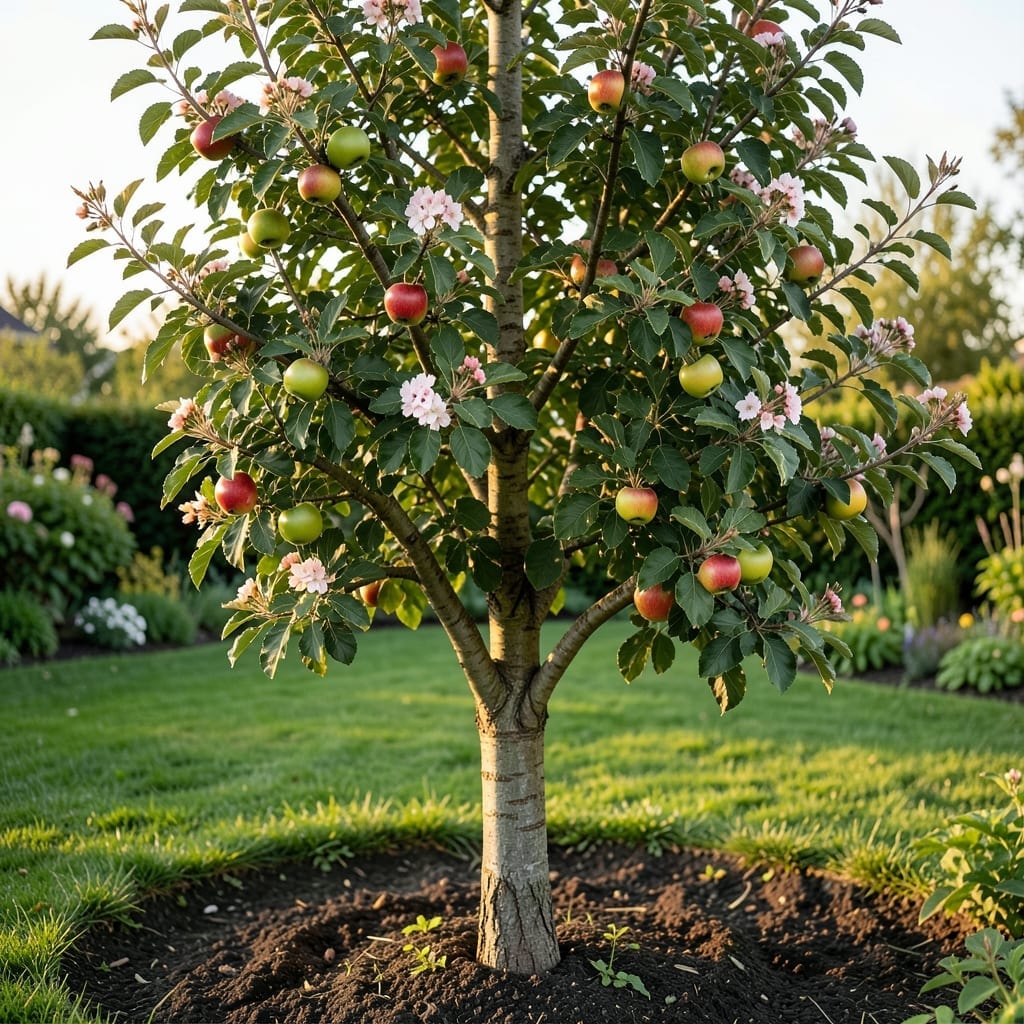
Most apple trees thrive in USDA hardiness zones 3 through 8, with some cold-hardy varieties extending to zone 2 and heat-tolerant types growing in zone 9.
I’ve found that chill hour requirements are the hidden factor behind these zone ranges—most varieties need 500-1,000 hours below 45°F to produce fruit. This explains why northern growers succeed with Honeycrisp or Haralson, while southern orchards favor low-chill types like Anna or Dorsett Golden. 🌟
Your local microclimate can shift the ideal zone by one level, so I always recommend checking with a nearby nursery for hyper-local advice.
💡 In This Article
The key factor is chill hour requirements. Most apple varieties need 500-1,000 hours below 45°F each winter to break dormancy and set fruit properly. This biological clock prevents premature budding during false springs. 🌟
Zones 3-5 offer the coldest winters with consistent sub-freezing temperatures, perfect for traditional varieties like McIntosh or Granny Smith. These areas reliably deliver the chill hours needed for optimal fruit set and quality.
Zones 6-8 provide moderate winters where the cold accumulates more slowly. Here, you’ll find success with Fuji or Gala, which require fewer chill hours. The milder winters reduce risk of frost damage to blossoms. ⚡
In warmer zones 9-10, only special low-chill varieties like Anna or Ein Shemer thrive. These were bred to require as few as 200-400 chill hours, making them ideal for southern climates where winters stay mild.
Temperature swings also matter. Apple trees need a period of dormancy followed by gradually warming temperatures. Sudden spring frosts after warm spells can damage blossoms, which is why zone 4 often produces more consistent crops than zone 5 in some regions.
Soil temperature affects root growth too. In colder zones, mulching helps insulate roots from freeze-thaw cycles that can heave young trees out of the ground. This simple practice can mean the difference between survival and loss during harsh winters. ✨
Chill hours are the number of hours below 45°F a tree experiences during dormancy. Most apple varieties need 500-1,000 chill hours to produce fruit properly and avoid budding too early.
Yes, but you’ll need low-chill varieties like Anna or Dorsett Golden. These require as few as 200-400 chill hours and tolerate warmer winters better than traditional types.
Honeycrisp, Haralson, and Goodland can handle temperatures down to -40°F. These cold-hardy trees need full sun and well-drained soil to thrive in harsh climates.
Use row covers or frost blankets to shield blossoms during sudden cold snaps. Planting on higher ground can also help avoid frost pockets where cold air settles.