
Beautiful Plants For Your Interior
Beautiful Plants For Your Interior
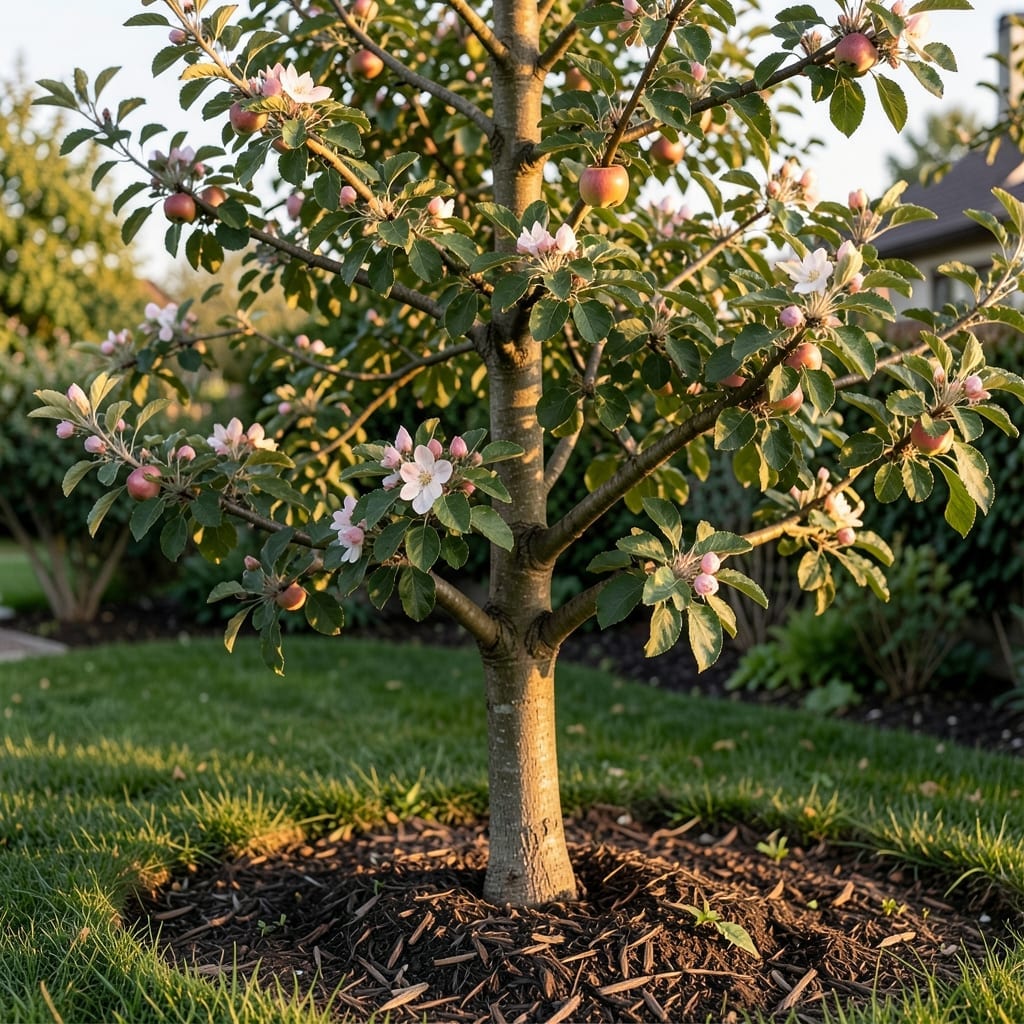
Watching your Apple Tree 🍎 transition from delicate blossoms to ripe fruit feels like witnessing nature’s magic firsthand. Yet many gardeners don’t realize that without proper pollination, even the healthiest trees may produce little to no fruit.
That first flush of white flowers in spring holds the promise of your fall harvest. But turning those pretty blooms into crisp apples requires more than just good soil and sunlight.
I’ve learned through experience that understanding this process is the key to maximizing your yield. The journey from flower to fruit involves several critical stages that many overlook.
Let me walk you through what happens between those spring blossoms and your autumn harvest basket, and how you can ensure each step goes smoothly.
Apple tree pollination is a fascinating process that transforms delicate blossoms into juicy fruit. It all starts when pollen from one flower reaches the stigma of another, often with help from bees and other pollinators.
Most apple varieties are not self-pollinating, meaning they need cross-pollination from a different, compatible tree. This ensures genetic diversity and higher fruit set. Without it, you might see plenty of flowers but few apples.
| Stage | Action | Key Details |
|---|---|---|
| Flowering | Pollen transfer | Bees carry pollen between blooms |
| Pollination | Fertilization | Pollen reaches ovary in flower |
| Fruit Set | Development begins | Ovary swells into fruit |
| Maturation | Growth & ripening | Takes 90-180 days depending on variety |
The best pollinators for apple trees are honeybees and bumblebees. I always recommend planting bee-friendly flowers nearby to attract more pollinators to your garden.
Timing matters too. Apple trees typically bloom in early to mid-spring, and frost during flowering can damage blossoms, reducing fruit set. If frost is forecasted, cover trees with frost cloth overnight.
For cross-pollination to work, plant compatible varieties within 50 feet of each other. Some great pairs include Granny Smith with Golden Delicious or Fuji with Gala.
I’ve found that dwarf apple trees are excellent for small gardens because they’re easier to manage and pollinate. Plus, their compact size makes it simpler to protect blossoms from late frosts.
Wind can help with pollination, but it’s less effective than insects. If you notice few bees in your area, consider hand-pollinating by gently transferring pollen with a soft brush.
Remember, healthy trees produce more flowers. Keep your apple trees well-watered and properly fertilized to support vibrant blooms and strong fruit development.
Finally, prune your trees in late winter to encourage new growth and maximize flower production. Just be sure to avoid heavy pruning right before or during blooming, as this can reduce fruit set.
With the right care, your apple tree will reward you with a bountiful harvest year after year 🌳
Getting your apple tree from flowers to fruit relies heavily on successful pollination. I’ve found that even small tweaks can dramatically improve your harvest. Planting compatible varieties nearby ensures cross-pollination, which most apple trees require.
Another game-changer is attracting pollinators like bees. I plant bee-friendly flowers near my trees and avoid pesticides during bloom. Timing is also key—prune in late winter to encourage strong flower production.
I also pay close attention to weather conditions during bloom. If frost is forecasted, I cover blossoms with frost cloth to prevent damage. A little effort here can save your entire crop.
For trees that struggle with pollination, hand-pollination is a simple fix. I use a soft paintbrush to transfer pollen between flowers on calm, dry mornings for best results.☀️
Don’t overlook tree health either. A well-fed tree produces more flowers. I apply balanced fertilizer in early spring and ensure consistent watering during dry spells.
Finally, thin young fruit if your tree sets too heavily. This prevents overcrowding and ensures larger, healthier apples. I remove excess fruitlets when they’re about the size of a marble.🌳