
Beautiful Plants For Your Interior
Beautiful Plants For Your Interior
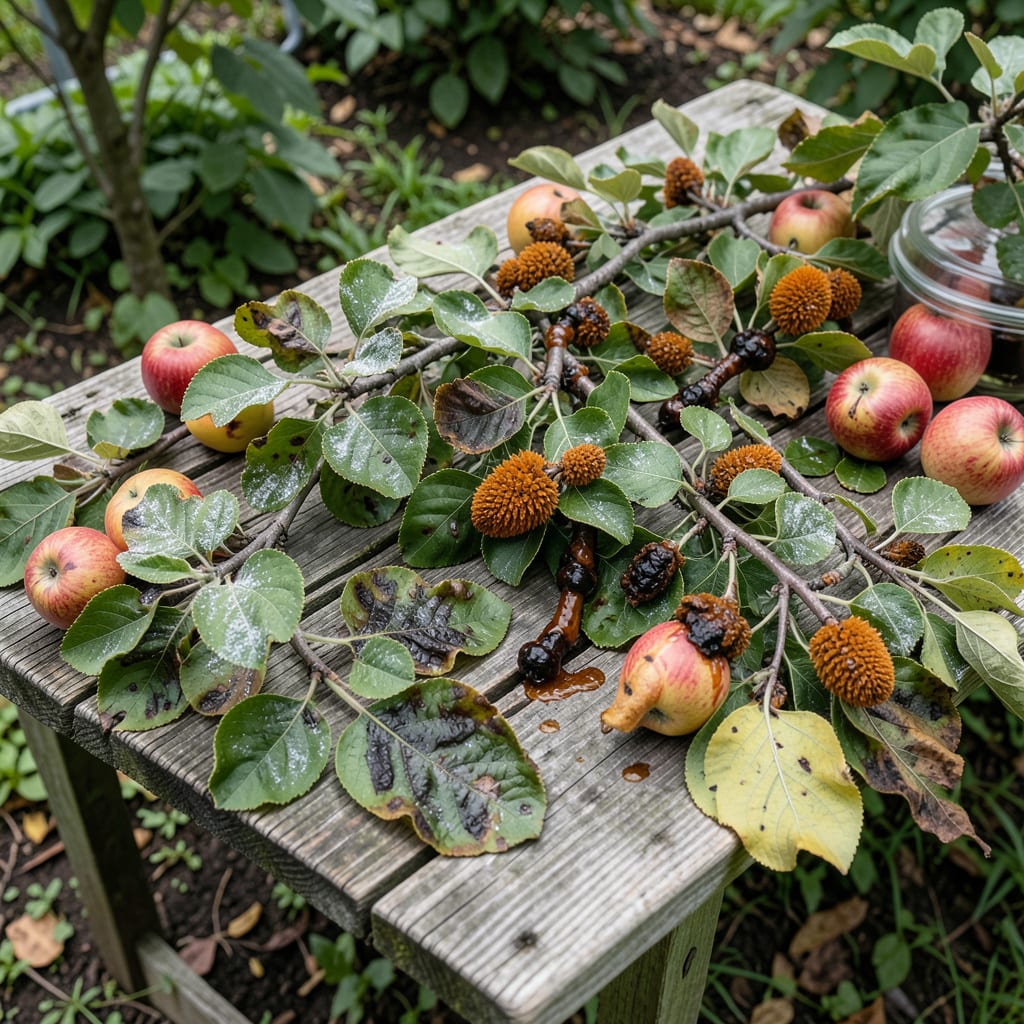
Spotting trouble before it spreads is half the battle. Apple tree diseases often announce themselves through subtle changes in leaves, fruit, or bark that most gardeners overlook until it’s too late.
I’ve learned to catch these early signs—discolored spots, unusual textures, or premature leaf drop—before they compromise the whole tree. The key is knowing what healthy growth looks like so you notice when something shifts.
Early identification means simpler treatments and better recovery chances. You’ll save time, money, and the heartbreak of losing a mature tree to preventable issues.
This visual approach works whether you’re managing a backyard orchard or a single heritage tree. Here’s how to read the warning signs.
Apple trees are vulnerable to a variety of diseases, often triggered by a combination of environmental, biological, and cultural factors. Understanding the root causes helps in prevention and early intervention. Below are the primary reasons why apple tree diseases occur, explained with actionable insights.
Many apple tree diseases, such as apple scab (Venturia inaequalis) and powdery mildew (Podosphaera leucotricha), thrive in wet, humid conditions. Fungal spores spread via wind or rain, infecting leaves, fruit, and bark. Overhead irrigation or poor air circulation exacerbates the problem. To mitigate, prune for better airflow and avoid watering foliage directly.
Insects like aphids, codling moths, and leafhoppers can introduce bacterial diseases such as fire blight (Erwinia amylovora). These pests create entry points for pathogens through wounds or feeding sites. Regular monitoring and integrated pest management (IPM) strategies, like introducing beneficial insects, can reduce infestations and disease spread.
Weak or stressed apple trees are more susceptible to diseases. Compacted soil, improper pH (ideal range: 6.0–7.0), or nutrient imbalances (e.g., low calcium or potassium) compromise the tree’s natural defenses. Conduct a soil test annually and amend with organic matter or targeted fertilizers to boost tree vigor.
Extreme weather—drought, frost damage, or heat stress—weakens apple trees, making them prone to infections like cedar-apple rust (Gymnosporangium juniperi-virginianae). Mulching to retain moisture and using frost protection methods (e.g., row covers) can help trees withstand fluctuating conditions.
Poor sanitation, such as leaving fallen leaves or fruit beneath the tree, provides a breeding ground for pathogens. Always remove and destroy infected plant debris. Additionally, improper pruning (e.g., using unsterilized tools) can spread diseases between trees. Sterilize tools with rubbing alcohol between cuts to prevent contamination.
Dealing with apple tree diseases starts with action. Below are practical solutions mapped to common causes, plus prevention tips to keep your orchard thriving. 🌳✨
Rake and destroy fallen leaves and fruit to eliminate fungal spores. Apply fungicides like sulfur or copper in early spring before buds open. Reapply every 10–14 days during wet weather. Prevent it: Plant scab-resistant varieties and prune for better airflow.
Remove infected shoots and thin crowded branches to improve air circulation. Spray neem oil or potassium bicarbonate weekly at the first sign of white powder. Prevent it: Avoid overhead watering and keep the area around the tree clean.
Cut down nearby juniper hosts (cedar trees) if possible. Apply fungicide sprays in early spring, just as buds swell. Remove galls from the tree immediately. Prevent it: Maintain a 300-foot buffer from cedar trees.
Prune infected branches 8–12 inches below visible damage, sterilizing tools with rubbing alcohol between cuts. Remove and burn affected wood. Prevent it: Avoid over-fertilizing with nitrogen and disinfect pruning tools regularly.
Dig up and replant waterlogged trees in well-draining soil. Trim away black, mushy roots and treat with a fungicide drench. Prevent it: Ensure proper drainage and avoid overwatering.
Pro Tip: 💡 Regularly inspect your trees for early signs—spots, wilting, or unusual growth—and act fast. A little vigilance saves a lot of trouble!
Early symptoms include dark spots on leaves, white powdery coatings, or orange galls on branches. Check undersides of leaves and fruit surfaces weekly during growing season.
Prune for airflow, remove fallen leaves, and choose resistant varieties. Neem oil or baking soda sprays work as organic preventatives. Always water at the base, not foliage.
Apply treatments at first sign of trouble or in early spring before buds open. For fungal issues, reapply every 10-14 days during wet weather.
Yes, many diseases spread via wind, rain, or infected tools. Sterilize pruners between trees and maintain 300-foot buffers from cedar hosts for rust.
