
Beautiful Plants For Your Interior
Beautiful Plants For Your Interior
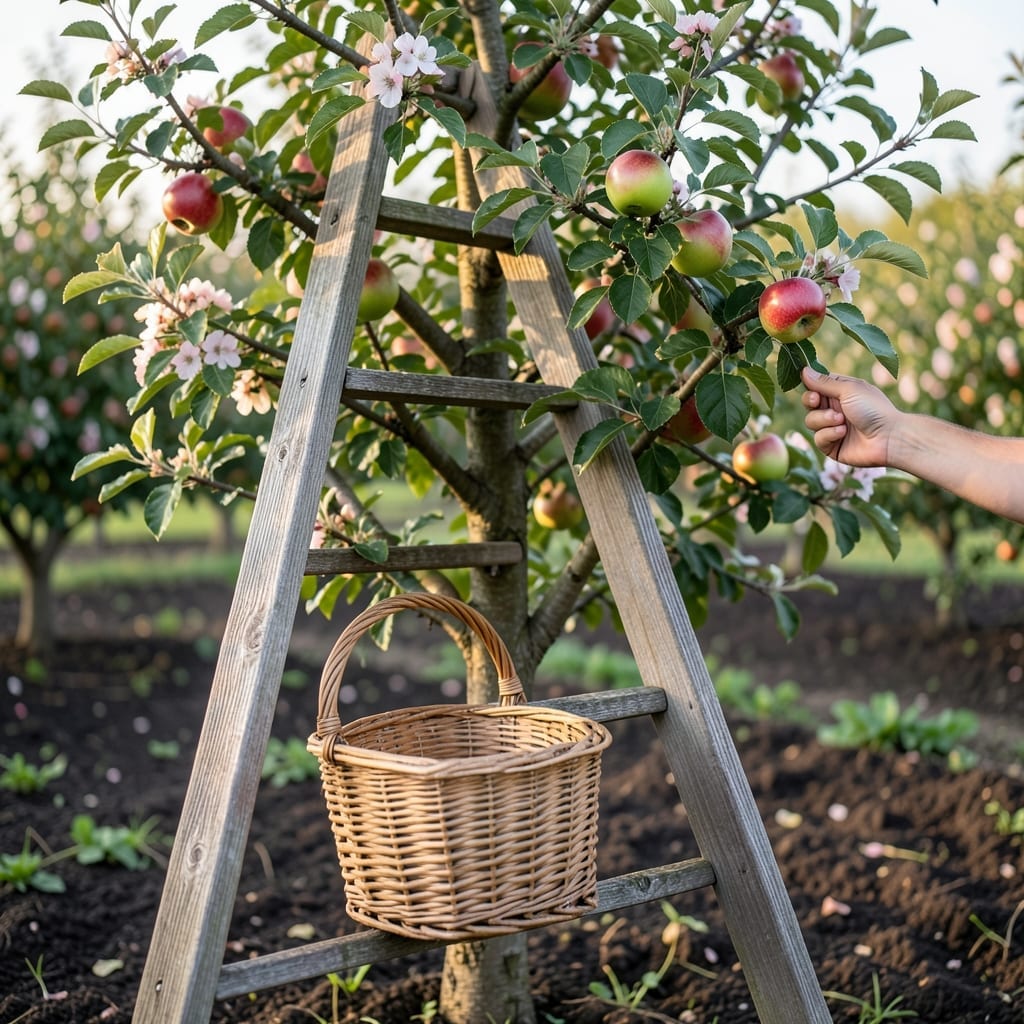
Timing your Apple 🍎 harvest perfectly can mean the difference between tart, underripe fruit and the sweetest, juiciest picks of the season. Knowing when to harvest in your region ensures peak flavor and storage potential.
I’ve learned that even a few days can transform your harvest from mediocre to magnificent. The right timing affects everything from taste to how long your apples will last in storage.
Whether you’re in zone 6a or another region, understanding these windows is the key to success. Different varieties have their own perfect moments for picking.
Let me walk you through how to identify that ideal harvest time for your Apple trees. You’ll be amazed at the difference it makes.

I’ve found that apple harvest timing varies widely by USDA zone and apple variety. Early varieties like Gala often ripen in late summer, while late types like Fuji may hold until late fall. Your local climate plays a huge role here.
In cooler zones (3-5), expect harvests from August to October. Warmer zones (6-9) can see apples ready as early as July or as late as November. Always check your specific region’s frost dates for the best window.
| Variety | Harvest Window | USDA Zones | Notes |
|---|---|---|---|
| Gala | Late July–Early Sept | 4–8 | Early, sweet, thin skin |
| Honeycrisp | Mid–Late Sept | 3–7 | Crisp, stores well |
| Fuji | Late Sept–Nov | 5–9 | Late, sweet, firm |
| Granny Smith | Mid–Late Oct | 6–9 | Tart, long storage |
I always recommend checking your variety’s specific needs. Honeycrisp apples, for example, need a longer growing season and won’t ripen properly in short-season areas. Know your tree’s heritage to time it right.
For early zones like 3-4, focus on cold-hardy varieties like Honeygold or Haralson. These can handle early frosts and still produce quality fruit if picked before cold snaps.
In warmer zones (7-9), heat-tolerant apples like Anna or Dorsett Golden thrive. These often ripen earlier and may need shade protection during peak summer heat.
I’ve noticed that mid-season varieties like Jonathan or McIntosh offer flexibility. They adapt well to zones 4-7 and provide a balanced harvest window for many growers.
Remember, microclimates matter too. A south-facing slope or urban heat island can speed ripening by 1-2 weeks. Observe your local conditions closely each year.
Finally, weather fluctuations can shift harvest dates. A cool summer may delay ripening, while drought stress can accelerate it. Stay adaptable and test fruit regularly as your expected date approaches.
I always keep a harvest journal to track year-to-year variations in my orchard’s timing. It’s the best way to refine your personal harvest calendar. 🌳
I always check for color change first—most apples deepen in hue as they ripen. A Gala turns from pale yellow to vibrant red, while Granny Smith stays green but gains a glossy sheen. This is your first visual clue.
Next, I examine the seeds inside. When they turn from white to brown, the fruit is nearly ready. This method works for nearly every variety, from Fuji to Honeycrisp.
The twist test is my go-to. Lift the apple and gently twist—if it comes off with the stem intact, it’s ready. If it resists, leave it for a few more days.
For the most accurate check, I do a taste test. Sample one apple from different parts of the tree. Sweetness and flavor will tell you more than any visual cue.
Don’t forget the days since bloom count. Most varieties need 120-150 days from flower to harvest. Track this in your gardening journal for future reference.
I’ve found that combining these tests gives the best results. Relying on just one method might lead to early or late picking. Trust your senses and the tree’s signals. ✂️