
Beautiful Plants For Your Interior
Beautiful Plants For Your Interior
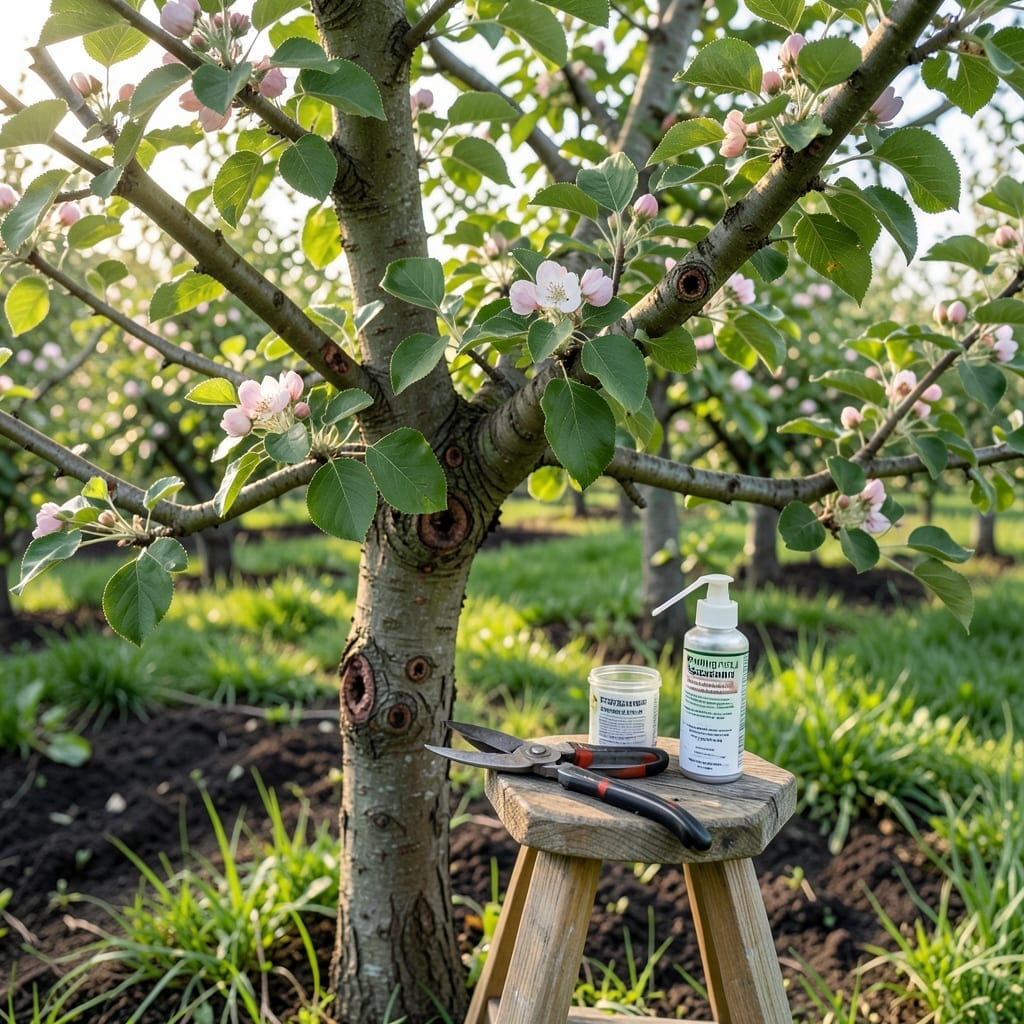
Sunken, dark lesions on your apple tree aren’t just ugly—they’re a red flag. I’ve saved several trees from canker by catching it early and acting fast.
This fungus thrives in wet conditions, entering through wounds or weak spots. The key is removing infected branches 6 inches below visible damage and sanitizing your tools between cuts to prevent spreading.
Within weeks, you’ll see new, healthy growth where cankers once were. The tree’s natural defenses kick in once the infected wood is gone.
Works for young and mature trees alike. The sooner you start, the better your chances of saving the harvest.
Apple canker, a frustrating and often destructive disease, primarily stems from fungal infections. The most common culprit is Neonectria ditissima, which thrives in wet, cool conditions. Understanding the causes helps you prevent and manage outbreaks effectively.
The primary cause of apple canker is infection by fungal pathogens, particularly Neonectria ditissima (formerly known as Nectria galligena). This fungus enters trees through wounds—such as pruning cuts, hail damage, or insect injuries—and establishes itself in the bark. It spreads rapidly in damp environments, especially during prolonged rainy seasons.
Fungal spores require moisture to germinate and infect apple trees. High humidity, frequent rain, or poor air circulation create the perfect breeding ground. Orchards in regions with persistent dampness or those with dense canopies that trap moisture are especially vulnerable.
Improper pruning leaves trees susceptible to infection. Untimely or unclean cuts create open wounds that fungi exploit. Using contaminated tools or pruning during wet weather further increases the risk, as spores easily adhere to fresh wounds.
Stressed or weakened apple trees are more prone to canker. Factors like nutrient deficiencies, drought, or root damage compromise the tree’s natural defenses. A tree under stress struggles to heal wounds quickly, giving fungi ample opportunity to take hold.
Insects, such as apple tree borers or bark beetles, create entry points for fungal spores. Their burrowing or feeding activity damages the bark, exposing the tree’s inner tissues. Regularly inspecting for and managing pests can reduce this risk.
Apple canker is treatable with the right approach. Here’s how to tackle it based on the cause:
If cankers are small, remove affected branches immediately. Cut at least 6 inches below the canker to ensure all infected tissue is gone. Sterilize pruning tools with rubbing alcohol between cuts to prevent spreading the fungus. Burn or dispose of pruned material—never compost it.
After pruning, disinfect the wounds with a 10% bleach solution or a copper-based fungicide. This kills lingering spores and protects healthy tissue. Apply in dry weather for best results, and reapply if rain washes it away within 24 hours.
Canker thrives in wet, crowded conditions. Thin out branches to improve airflow, and clear debris around the tree base. If your soil retains too much moisture, amend it with sand or organic matter to boost drainage.
Consistency is key! Combining these steps will keep your apple trees healthy and productive. 🌳✨
Always cut at least 6 inches below visible damage to remove hidden fungus. Sterilize tools between cuts to prevent spreading. Dispose of pruned branches—never compost them.
A 10% bleach solution works well for sanitizing wounds after pruning. Apply in dry weather and reapply if rain occurs within 24 hours.
Prune during dry weather to prevent new spores from settling. Avoid wet conditions when fungi spread most easily.
Yes! ‘Liberty’ and ‘Freedom’ show good resistance. For existing trees, focus on airflow and regular inspection.