
Beautiful Plants For Your Interior
Beautiful Plants For Your Interior
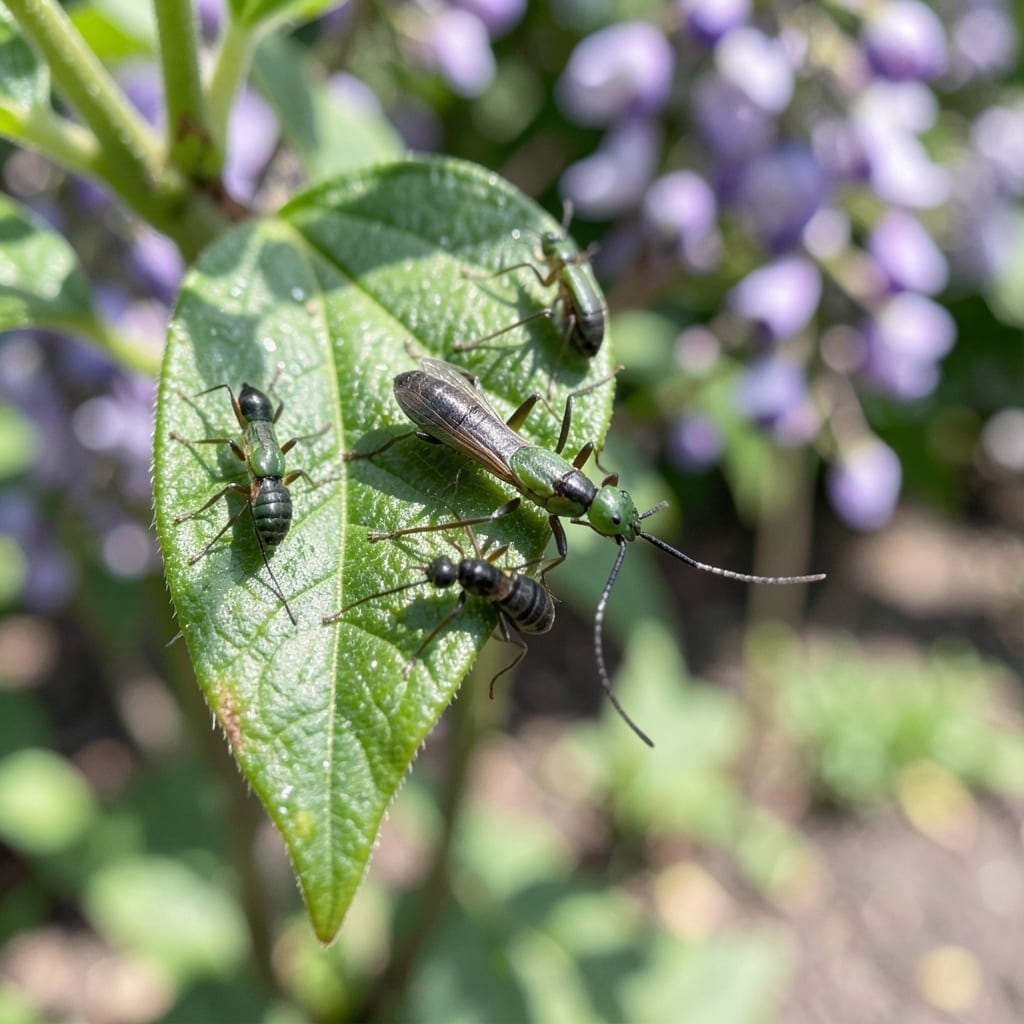
Sticky leaves and stunted growth on your wisteria mean one thing: aphids have moved in. I spotted my first infestation last spring when the new shoots looked curled and coated in a shiny film.
These tiny pests multiply fast, sucking sap from fresh growth and leaving behind that telltale honeydew. The good news? A strong blast from the hose knocks most of them off immediately. It’s a simple first strike that buys you time.
For stubborn clusters, insecticidal soap or neem oil works without harming beneficial bugs. I apply in the early morning when bees aren’t active, and I’ve never had to retreat more than twice.
Consistent checks on new growth keep them from returning. Your wisteria will reward you with healthier blooms and vigorous vines.
Aphids thrive on wisteria due to a combination of environmental, biological, and plant-specific factors. Understanding these causes helps you prevent and address outbreaks more effectively.
Wisteria fed with high-nitrogen fertilizers produces lush, soft new growth—aphids’ favorite food. These pests are drawn to the tender shoots and leaves rich in sap. Reduce nitrogen-heavy feeds in early spring and opt for balanced or phosphorus-rich fertilizers to strengthen plant resilience.
Both overwatering and underwatering stress wisteria, making it vulnerable. Overwatered plants develop weak cell walls, while drought-stressed ones produce stress compounds that attract aphids. Maintain consistent moisture levels, ensuring the soil is well-draining but not bone dry.
Aphids multiply rapidly when their natural enemies—like ladybugs, lacewings, or parasitic wasps—are absent. Monoculture gardens or heavy pesticide use often eliminate these beneficial insects. Plant companion flowers (e.g., marigolds, yarrow) to attract predators and avoid broad-spectrum pesticides.
Aphids reproduce fastest in warm, dry weather (60–80°F). Wisteria’s dense foliage provides shade and humidity, creating an ideal microclimate. Use hose blasts to dislodge aphids early in the season and prune excess growth to improve airflow.
Tackling aphids on your wisteria starts with identifying the cause and applying targeted fixes. Here’s how to restore your plant’s health with simple, effective steps.
For small clusters, blast aphids off with a strong stream of water from a hose early in the morning. Follow up by wiping leaves with a damp cloth or cotton swab dipped in soapy water (1 tsp mild dish soap per quart of water). Repeat every 2-3 days until gone.
Mix neem oil (1 tbsp per gallon of water + ½ tsp dish soap) and spray evenly on both sides of leaves, focusing on new growth where aphids gather. Apply in the early morning or late evening to avoid harming beneficial insects. Reapply every 5-7 days or after rain.
Alternatively, use insecticidal soap (ready-made or DIY with 1 tbsp castile soap per quart of water). Spray directly on aphids until they’re fully coated.
Introduce natural predators like ladybugs, lacewings, or parasitic wasps. Purchase them from garden centers and release at dusk to prevent them from flying away. Avoid pesticides to keep these helpers around.
Tiny green, black, or gray bugs clustering on new shoots and undersides of leaves. They’re 1-3mm long and often leave a sticky residue called honeydew. Check curled or distorted leaves first.
Rarely, but severe infestations can stunt growth and reduce flowering. Young plants are most vulnerable. Act quickly with a hose blast or neem oil to prevent long-term damage.
Avoid vinegar—it can harm wisteria leaves. Stick to insecticidal soap or neem oil instead. These are gentle on plants but deadly to aphids when applied correctly.
Early morning or late evening when beneficial insects are less active. Treat at the first sign of infestation, and reapply every 5-7 days until they’re gone.