
Beautiful Plants For Your Interior
Beautiful Plants For Your Interior
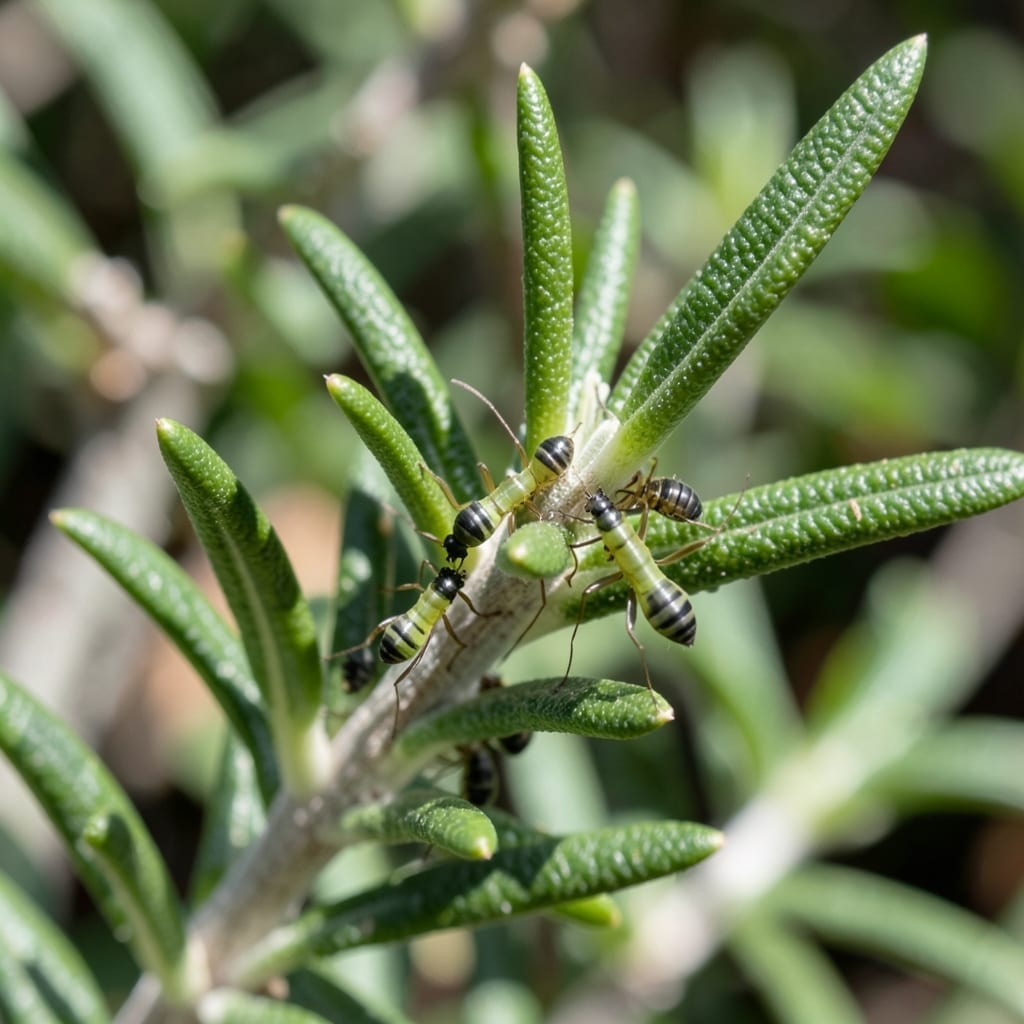
Tiny green invaders on your rosemary aren’t just unsightly—they’ll weaken your plants fast. I spotted my first aphid colony during a dry spell last summer, clinging to new growth like uninvited guests at a picnic.
Here’s the thing—they multiply faster than you can count, but rosemary’s tough leaves give you a fighting chance. A sharp blast from the hose knocks them off, and a simple organic spray keeps them from returning.
Within 24 hours of treating, you’ll see the difference: cleaner stems, perked-up foliage, and no more sticky residue. The plants bounce back stronger, and the aphids? Gone for good.
No fancy tools needed—just consistency and the right approach. Works for potted herbs or garden beds alike.
Aphids thrive on rosemary due to a combination of environmental, biological, and cultural factors. Understanding these triggers helps prevent and manage outbreaks effectively.
Excess nitrogen in the soil promotes lush, soft growth in rosemary, which aphids find irresistible. These pests prefer tender new shoots rich in amino acids. Switch to a balanced or phosphorus-heavy fertilizer to toughen plant tissues and reduce appeal.
Rosemary is drought-tolerant, but inconsistent watering—either too much or too little—stresses the plant, making it vulnerable. Overwatered rosemary develops weak growth, while underwatered plants struggle to produce defensive compounds. Maintain even moisture with well-draining soil to keep the plant resilient.
Aphids multiply rapidly when their natural enemies—like ladybugs, lacewings, or parasitic wasps—are absent. Encourage beneficial insects by planting companion flowers (e.g., marigolds, alyssum) or avoiding broad-spectrum pesticides that kill predators along with pests.
Aphids reproduce most aggressively in temperatures between 60–80°F (15–27°C) with low humidity. Rosemary grown in greenhouses or sheltered outdoor spots may face higher infestation risks. Monitor plants closely during spring and early summer, when conditions are ideal for aphid population booms.
Tackling aphids on your rosemary doesn’t have to be a battle. Try these practical, organic solutions to restore your herb’s health and keep pests at bay.
Start simple: blast them off. Use a garden hose with a strong spray setting to dislodge aphids from the leaves and stems. Focus on the undersides where they love to hide. Do this early in the day so the plant dries quickly, reducing the risk of fungal issues.
Mix 1 tablespoon of neem oil and 1 teaspoon of mild liquid soap in a quart of water. Spray evenly over the rosemary, covering all surfaces. Neem oil disrupts aphids’ life cycles and acts as a repellent. Reapply every 5-7 days or after rain.
Encourage natural predators like ladybugs, lacewings, or parasitic wasps. Plant companion flowers such as marigolds or alyssum nearby to attract them. Avoid broad-spectrum pesticides, which can harm these helpful allies.
For a quick fix, mix 1-2 teaspoons of insecticidal soap (or mild dish soap) in a quart of water. Spray directly on aphids—this suffocates them. Test on a small area first to avoid leaf burn, and rinse after a few hours.
No, neem oil is safe for rosemary when used correctly. Always dilute it with water and a bit of soap, and apply in the early morning or late evening to avoid leaf burn.
Inspect your rosemary weekly, focusing on the undersides of leaves where aphids hide. Early detection prevents small problems from becoming big ones.
Yes, but use mild, unscented dish soap and test on a small area first. Harsh soaps can damage leaves, so rinse after 1-2 hours.
They’re likely hitching rides on other plants or attracted by over-fertilization. Reduce nitrogen-heavy fertilizers and isolate new plants for 2-3 weeks before introducing them.