
Beautiful Plants For Your Interior
Beautiful Plants For Your Interior
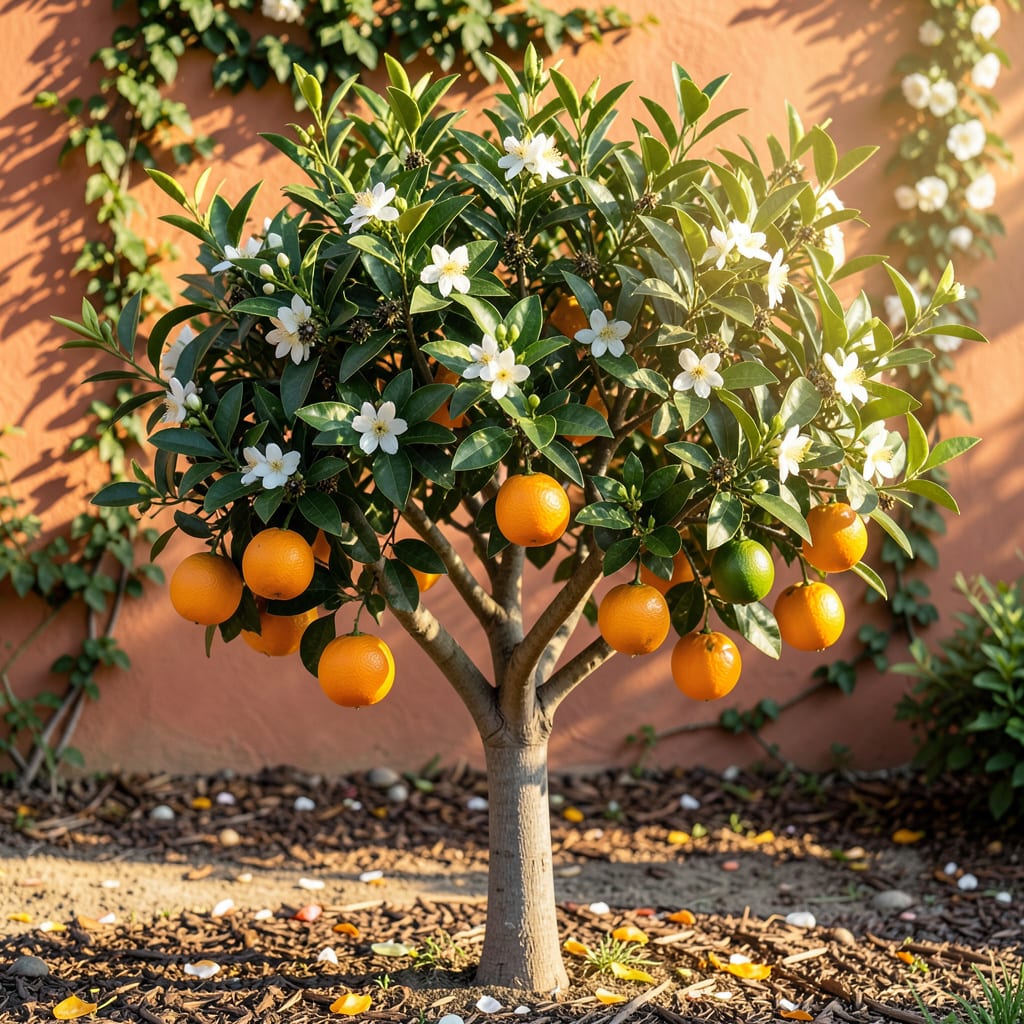
Aphids on orange trees are small, soft-bodied pests that suck sap from leaves and stems, causing curled foliage, stunted growth, and sooty mold from their sticky honeydew. They multiply rapidly in warm weather but can be controlled naturally or with targeted treatments.
These tiny invaders don’t just harm your citrus—they create a domino effect in your garden. 🔥 The honeydew they secrete becomes a magnet for ants (which protect aphids from predators) and fosters black sooty mold that blocks sunlight from leaves. I’ve seen healthy orange trees decline within weeks when aphids go unchecked, especially during spring flushes of new growth.
What makes them particularly troublesome is their reproduction speed—some species can produce 50 offspring in a week without mating. The good news? Their soft bodies make them vulnerable to simple solutions like soapy water sprays or natural predators when caught early. ✨
💡 In This Article
Aphids attack orange trees using specialized mouthparts called stylets that pierce plant cells like microscopic straws. These pests inject saliva containing enzymes that break down cell walls, making it easier to suck out the nutrient-rich sap.
🔥 A single aphid can feed continuously for hours, removing vital fluids that would otherwise support leaf growth and fruit development. The damage isn’t just from feeding—it’s the stress response that triggers curled leaves and stunted shoots.
The real trouble starts with their reproductive strategy. Most aphids on citrus trees are females that give birth to live young without mating—a process called parthenogenesis. In ideal conditions (70-80°F), a single aphid can produce 80-100 offspring per week. These nymphs mature in just 7-10 days, creating exponential population growth.
Orange trees become prime targets during spring flushes when tender new growth provides easy access to sap. ✨
What makes the problem worse is the honeydew they excrete—a sticky, sugar-rich waste product that coats leaves and branches. This substance becomes a breeding ground for black sooty mold, which blocks up to 30% of sunlight from reaching leaves.
The mold doesn’t just look bad—it reduces photosynthesis efficiency by clogging stomata (the tiny pores plants use to breathe). Ants often farm aphids to harvest this honeydew, protecting them from natural predators like ladybugs. 🌟
The secondary effects create a vicious cycle. As aphid populations explode, they spread plant viruses like Citrus Tristeza through their feeding activity. These viruses can persist in the tree for years, causing long-term yield reductions. I’ve seen commercial groves lose 15-20% of their harvest in severe infestation years.
The stress also makes trees more susceptible to other pests and diseases, compounding the damage. ⚡
Orange trees face particular vulnerability because their evergreen nature provides year-round food sources. Unlike deciduous trees that drop leaves seasonally, citrus offers continuous feeding opportunities. The glossy leaves also provide ideal surfaces for honeydew accumulation.
In my experience, trees under drought stress or with nutrient deficiencies become even more attractive to aphids, as their sap contains higher concentrations of amino acids that aphids seek. 💫
Environmental factors accelerate the spread. Warm temperatures (75-85°F) speed up aphid metabolism and reproduction rates. Wind can carry winged aphids to new trees, while pruning tools often spread infestations between branches. The sticky honeydew also helps aphids “hitchhike” on gardeners’ gloves or clothing.
Without intervention, a small colony can become a full-blown infestation covering an entire tree in just 2-3 weeks during peak season. 🔥
Aphids return because they’re attracted to the tender new growth and sweet sap of citrus trees. They also leave behind pheromone trails that signal other aphids to the food source. Regular monitoring and preventive treatments every 2-3 weeks during growing season help break this cycle.
Yes, but use it properly! Mix 1 teaspoon of mild dish soap with 1 quart of water and spray directly on aphids. Avoid harsh detergents that can damage leaves. Always rinse after 30 minutes and reapply every 5-7 days until they’re gone.
While aphids rarely kill mature trees, severe infestations can stunt growth and reduce fruit production by 30-50%. Young trees are more vulnerable. The bigger risk comes from secondary issues like sooty mold and viral transmission that weaken the tree over time.
Early morning or late evening is ideal—temperatures below 85°F prevent leaf burn from sprays. Avoid midday sun when oils or soaps can magnify UV rays. Evening treatments also catch aphids when they’re less active, making your solution more effective.
Check for reduced honeydew (sticky residue) and fewer live aphids after 3-5 days. New growth should appear healthier within 1-2 weeks. If you still see curled leaves or black mold, you may need to switch methods or increase application frequency.
