
Beautiful Plants For Your Interior
Beautiful Plants For Your Interior
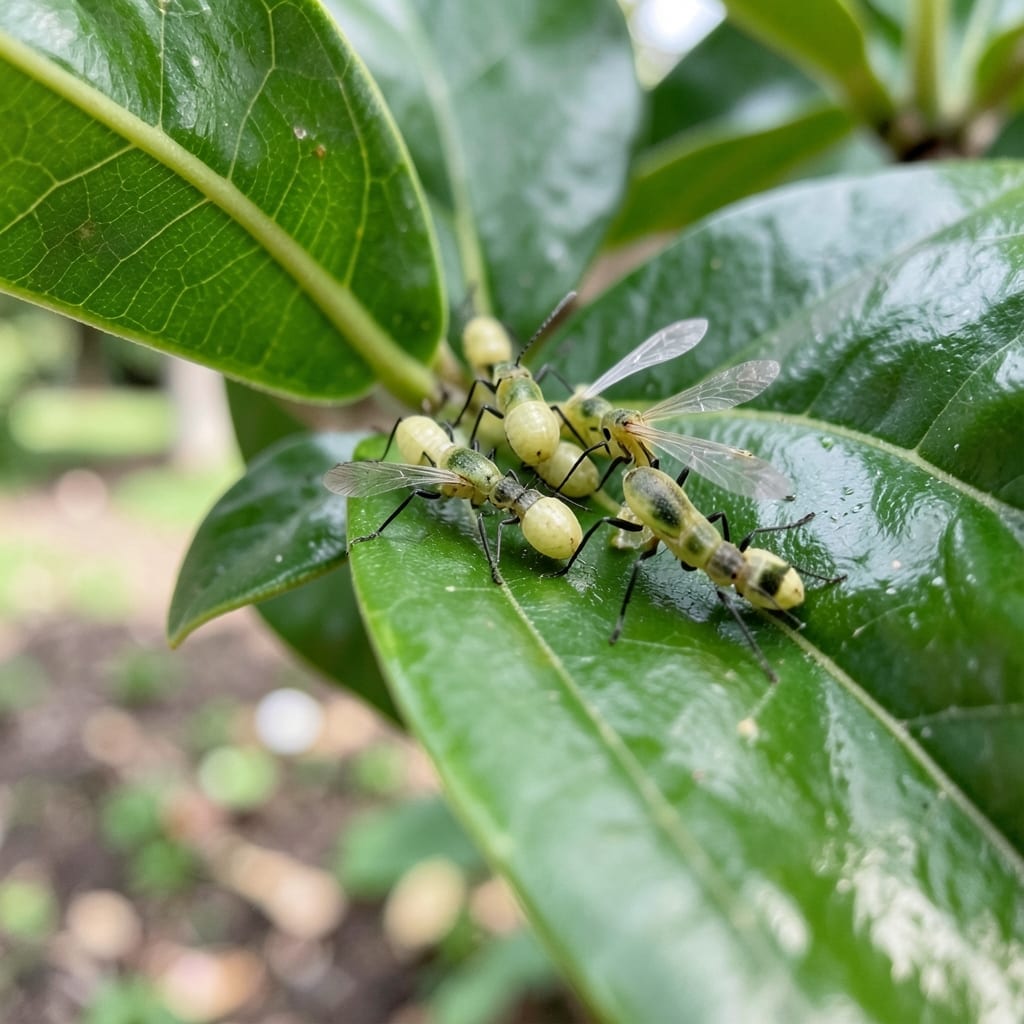
My magnolia’s leaves started curling last spring, and I found the culprits clustered on new growth. Tiny green bugs, but the damage to those glossy leaves and blooms was anything but small.
Here’s the thing—aphids multiply fast, but they’re also easy to spot if you know where to look. Check the undersides of leaves first, especially on fresh shoots. That’s their favorite hiding spot.
I’ll be real with you: ignoring them means stunted growth and misshapen flowers. But with the right approach, your tree can bounce back within 2-3 weeks of treatment.
Works for any magnolia variety, from star to southern. Let’s tackle this before they spread further.
Aphids thrive on magnolia trees due to a mix of environmental, biological, and cultural factors. Understanding these triggers helps you prevent and manage outbreaks effectively.
Excess nitrogen in soil promotes lush, soft new growth—aphids’ favorite food. Magnolias fertilized heavily in spring often produce tender leaves and shoots that lack natural defenses. This rapid growth also reduces the tree’s ability to produce secondary metabolites (like tannins or alkaloids) that deter pests. Action: Use a balanced, slow-release fertilizer and avoid high-nitrogen blends before peak aphid seasons (spring and early summer).
Water-stressed magnolias weaken and become more susceptible to aphids. Drought slows the tree’s sap flow, reducing its ability to flush out pests naturally. Additionally, stressed trees produce higher sugar content in phloem, attracting aphids seeking nutrient-rich sap. Action: Maintain consistent moisture, especially during dry spells, but avoid waterlogging the roots.
Aphid populations explode when their natural enemies—like ladybugs, lacewings, or parasitic wasps—are absent. Overuse of broad-spectrum pesticides can wipe out these beneficial insects, disrupting the ecosystem. Magnolias in monoculture landscapes (e.g., lawns with no diverse plantings) also lack habitat for predator species. Action: Plant companion species (e.g., yarrow, dill) to attract aphid predators and reduce chemical interventions.
Unseasonably warm winters allow aphid eggs to hatch early and survive in higher numbers. Magnolia trees in regions with fewer freezing days often face worse infestations the following spring. Action: Monitor for early aphid activity in late winter and apply horticultural oil to smother overwintering eggs before they hatch.
Dealing with aphids on your magnolia tree doesn’t have to be a losing battle. With the right approach, you can restore its health and beauty. Below are targeted solutions for common causes, plus prevention tips to keep these pests at bay.
If you spot a small cluster of aphids, act fast! Use a strong jet of water from your garden hose to blast them off the leaves and branches. Do this early in the day so the foliage can dry quickly, reducing the risk of fungal issues. For stubborn aphids, wipe them away with a soapy cloth (mix 1 tsp mild dish soap with 1 liter of water).
For larger outbreaks, reach for neem oil or insecticidal soap. Mix 2 tbsp neem oil with 1 gallon of water and a few drops of dish soap, then spray thoroughly on both sides of the leaves. Repeat every 5–7 days until the aphids vanish. Pro tip 💡: Always test sprays on a small area first to avoid leaf burn.
Aphids thrive when their natural enemies—like ladybugs, lacewings, and parasitic wasps—are missing. Encourage these helpers by planting pollinator-friendly flowers (e.g., marigolds, alyssum) nearby. Avoid broad-spectrum pesticides, which harm beneficial insects too.
A stressed magnolia is a magnet for pests. Strengthen your tree by watering deeply during dry spells and applying a balanced fertilizer in early spring. Mulch around the base to retain moisture and improve soil health. Prevention tip ✨: Prune dead or diseased branches to improve airflow and reduce hiding spots for aphids.
Consistency is key—combine these methods for the best results, and your magnolia will thank you with lush, aphid-free blooms!
Check for curled leaves, sticky residue (honeydew), or black sooty mold. Look closely at new growth and leaf undersides for tiny green or black insects.
Rarely, but severe infestations can stunt growth and distort blooms. Young trees are most vulnerable. Treat early to prevent long-term damage.
Use mild dish soap only—1 tsp per liter of water. Harsher soaps may burn leaves. Always rinse after 15-20 minutes.
Lack of predators or over-fertilizing may be to blame. Encourage ladybugs and use balanced fertilizer to break the cycle.