
Beautiful Plants For Your Interior
Beautiful Plants For Your Interior
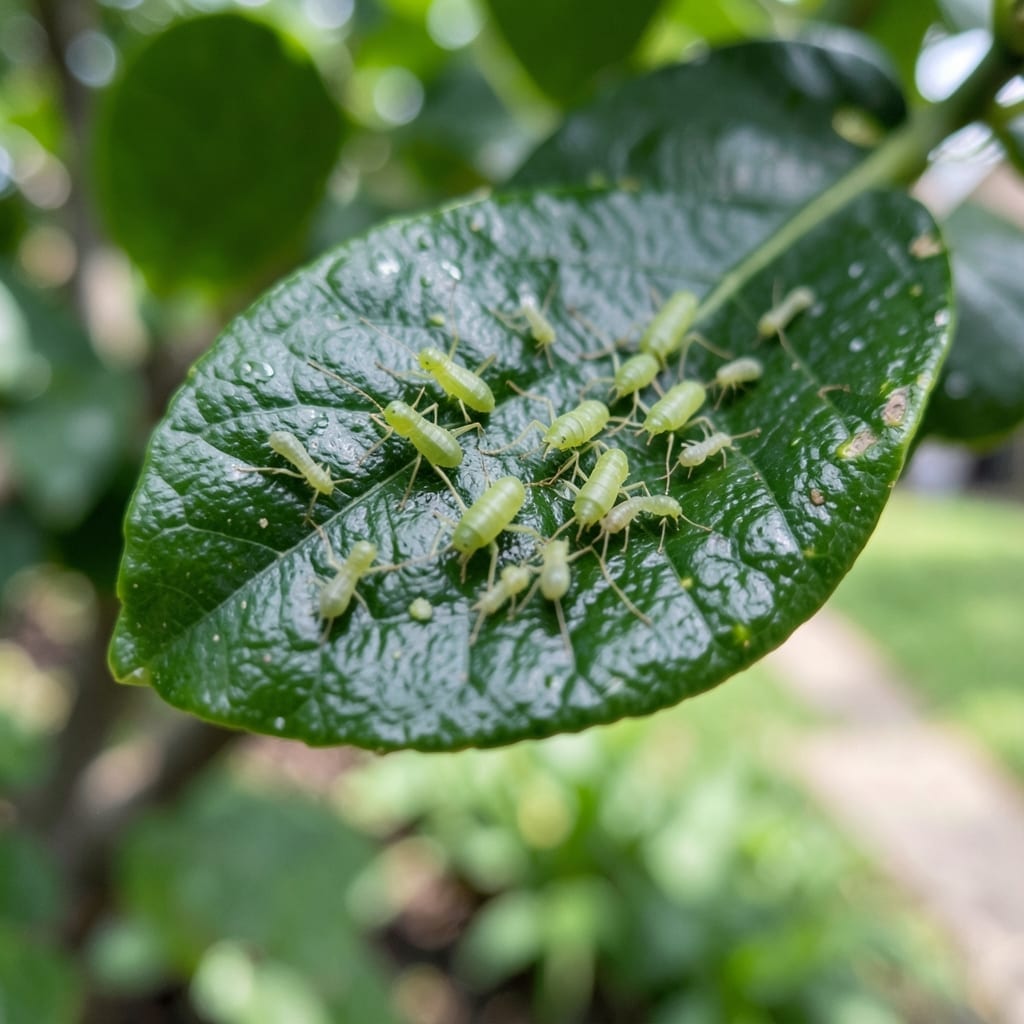
Tiny green invaders on your lime tree leaves mean trouble. I first noticed them when the new growth started curling, and within days, the sticky residue was everywhere.
The good news? You can fight back without harsh chemicals. A strong blast of water dislodges most aphids, and neem oil or insecticidal soap finishes the job without harming your tree.
Your lime tree will bounce back fast once the aphids are gone. The leaves unfurl, the sticky mess disappears, and new growth comes in clean and healthy.
Works for any citrus, any size tree, and keeps your harvest 100% organic. Here’s how to take action today.
Understanding why aphids target lime trees is key to preventing future outbreaks. These tiny pests thrive under specific conditions, often exploiting vulnerabilities in your citrus care routine.
Aphids are drawn to the soft, new growth spurred by excessive nitrogen fertilization. Lime trees fed with high-nitrogen formulas produce tender leaves and shoots—aphids’ favorite food. This overstimulation creates an all-you-can-eat buffet for colonies. Action: Switch to a balanced citrus fertilizer (e.g., 6-6-6 NPK) and reduce application frequency.
Both drought and waterlogging stress lime trees, weakening their natural defenses. Stressed trees emit volatile organic compounds (VOCs) that attract aphids. Overwatering also fosters fungal growth, which aphids use as secondary food. Action: Maintain consistent soil moisture—water when the top 1-2 inches of soil are dry.
Lime trees in sterile environments (e.g., urban gardens with no biodiversity) lack aphid predators like ladybugs, lacewings, or parasitic wasps. Without these checks, aphid populations explode. Action: Plant companion flowers (e.g., marigolds, yarrow) to attract beneficial insects.
Dense foliage traps humidity, creating a microclimate ideal for aphid reproduction. Lime trees pruned infrequently or planted too closely suffer from stagnant air, which also hinders predator access. Action: Thin out crowded branches and space trees 10–15 feet apart.
Aphids proliferate in mild temperatures (60–80°F). Spring’s new growth and fall’s moderate climate are peak infestation periods for lime trees. Action: Monitor trees closely during these seasons and apply neem oil preventatively.
Tackling aphids on your lime tree starts with identifying the root cause and applying targeted, non-toxic solutions. Below are practical fixes mapped to common causes, along with prevention tips to keep your citrus thriving.
If soggy soil is inviting aphids, reduce watering frequency and ensure your lime tree’s pot or planting area has drainage holes. Let the top 1-2 inches of soil dry out between waterings. Tip: 💡 Use a moisture meter to avoid guesswork. For potted trees, elevate the pot to prevent waterlogging.
Encourage nature’s pest control by releasing ladybugs or lacewings onto the tree. These predators feast on aphids. Purchase them from garden centers and release at dusk for best results. 🎯 Prevent reinfestation: Plant aphid-repelling companions like marigolds or basil nearby.
A stressed lime tree is aphid magnet. Fertilize with a citrus-specific, organic mix (high in nitrogen) to strengthen foliage. Prune damaged or overcrowded branches to improve airflow. ✨ Prevention: Mulch around the base to retain moisture and regulate soil temperature, but keep mulch away from the trunk.
For immediate action, spray aphids off with a strong stream of water early in the day. Follow up with a homemade solution of 1 tsp mild soap + 1 quart water, or use neem oil (mix per label instructions). Pro tip: 🌡️ Apply sprays in the early morning or late evening to avoid harming bees.
Always test sprays on a small area first to check for leaf sensitivity.
Look for curled leaves, sticky residue (honeydew), or clusters of tiny green/black bugs on new growth. Ants near the tree often indicate aphids too.
Healthy trees survive, but severe infestations weaken growth and spread disease. Act fast with neem oil or water blasts to prevent long-term damage.
Yes! Mix 1 tsp mild dish soap with 1 quart water and spray leaves (avoid harsh detergents). Test on a small area first to avoid leaf burn.
Inspect new growth weekly during warm months (60-80°F). Aphids multiply quickly, so early detection is key to easy control.