
Beautiful Plants For Your Interior
Beautiful Plants For Your Interior
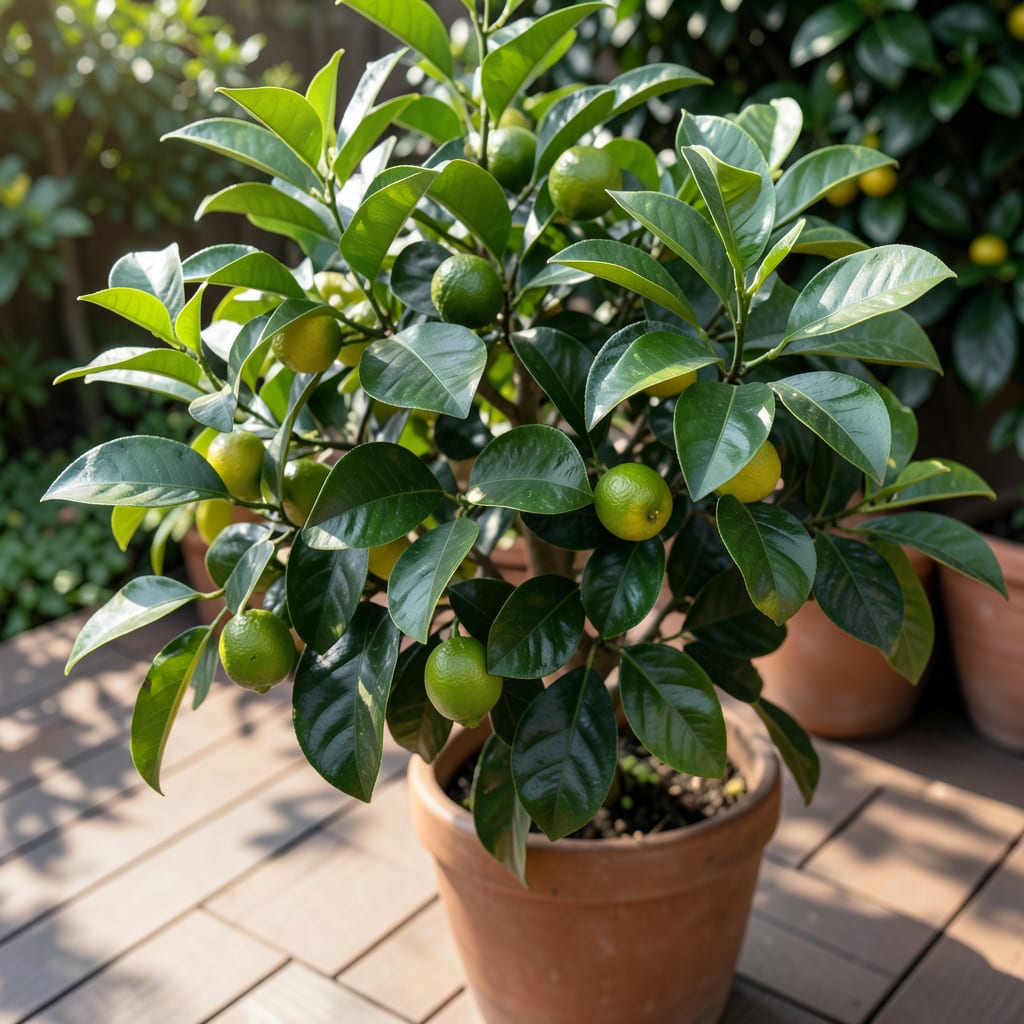
My lime tree’s leaves started curling last summer, and I panicked. Turns out, it’s usually a sign of stress—pests, water issues, or even the wrong kind of care.
Most often, it’s either aphids or scale insects sucking the life out of the leaves, or the roots are drowning from overwatering. Sometimes, it’s just too much wind or not enough humidity.
Once I figured out the cause, the fix was simple. A little pruning, some neem oil, or adjusting my watering routine brought it back to glossy green in no time.
If your lime tree’s leaves are curling, don’t wait. A few small changes can save your tree and keep it thriving for years.
Lime tree leaves curling up is often a sign of underlying stress. Here are the most common causes, explained with actionable insights:
Extreme temperatures, particularly heatwaves or cold snaps, can cause leaves to curl as a protective response. High temperatures accelerate transpiration, leading to moisture loss, while sudden cold can damage cell structures. Fix: Provide shade during peak heat or use frost cloths in colder climates.
Both overwatering and underwatering trigger leaf curl. Overwatering suffocates roots, reducing nutrient uptake, while drought stress forces leaves to conserve water by curling. Fix: Check soil moisture 2 inches deep—water when dry, but ensure proper drainage to avoid root rot.
Sap-sucking pests like aphids, scale insects, or spider mites drain fluids from leaves, causing them to distort and curl. Look for sticky residue (honeydew) or webbing. Fix: Blast pests off with water or apply neem oil for organic control.
Lack of magnesium or potassium can lead to curled, yellowing leaves. These nutrients are vital for photosynthesis and cell function. Fix: Apply a balanced citrus fertilizer or Epsom salt (for magnesium) to replenish soil nutrients.
Infections like citrus canker or root rot disrupt water and nutrient flow, prompting leaf curl. Symptoms often include spots or lesions. Fix: Prune affected areas, improve airflow, and use copper-based fungicides if needed.
Tackling curling leaves on your lime tree starts with pinpointing the cause. Below are practical fixes for the most common issues, along with tips to keep your tree thriving long-term.
Fix: Check the soil moisture 1-2 inches deep. If it’s bone dry, water deeply until the soil is moist but not soggy. If it’s waterlogged, hold off on watering and let the top 2-3 inches dry out. Ensure your pot or planting area has good drainage to prevent root rot.
Prevention: Water consistently—about 1-2 times a week in hot climates, less in cooler weather. Use a moisture meter for precision. 💡
Fix: Inspect the undersides of leaves for aphids, mites, or scale. Blast them off with a strong stream of water or apply neem oil or insecticidal soap, following label instructions. For severe cases, introduce beneficial insects like ladybugs.
Prevention: Regularly spray leaves with water to deter pests and keep the area around your tree free of debris where bugs can hide. ✨
Fix: If leaves curl due to heat or cold drafts, move potted trees to a sheltered spot or use frost cloth in winter. For wind damage, create a windbreak with stakes and burlap.
Prevention: Plant lime trees in a protected location and avoid placing them near AC units or heaters. 🌡️
Fix: Yellowing leaves with curling edges often signal a magnesium or potassium deficiency. Apply a balanced citrus fertilizer or Epsom salt spray (1 tbsp per gallon of water) for magnesium. Test your soil for pH imbalances—lime trees prefer 6.0-7.0 pH.
Prevention: Fertilize every 4-6 weeks during the growing season and mulch to retain nutrients. 🎯
Fix: If curling follows pruning or repotting, reduce stress by keeping the tree in partial shade and maintaining consistent moisture. Avoid heavy pruning during active growth.
Prevention: Prune only when necessary, ideally in early spring, and transplant in mild weather to minimize shock. 🌱
Water 1-2 times weekly in hot weather, less in cooler months. Always check soil 2 inches deep—water only when dry. Overwatering causes root rot, while drought stresses leaves.
Aphids, scale insects, and spider mites are common culprits. Look for sticky residue or webbing. Treat with neem oil or insecticidal soap.
Yes! Low magnesium or potassium often causes yellowing with curled edges. Fix with Epsom salt or citrus fertilizer. Test soil for 6.0-7.0 pH.
