
Beautiful Plants For Your Interior
Beautiful Plants For Your Interior
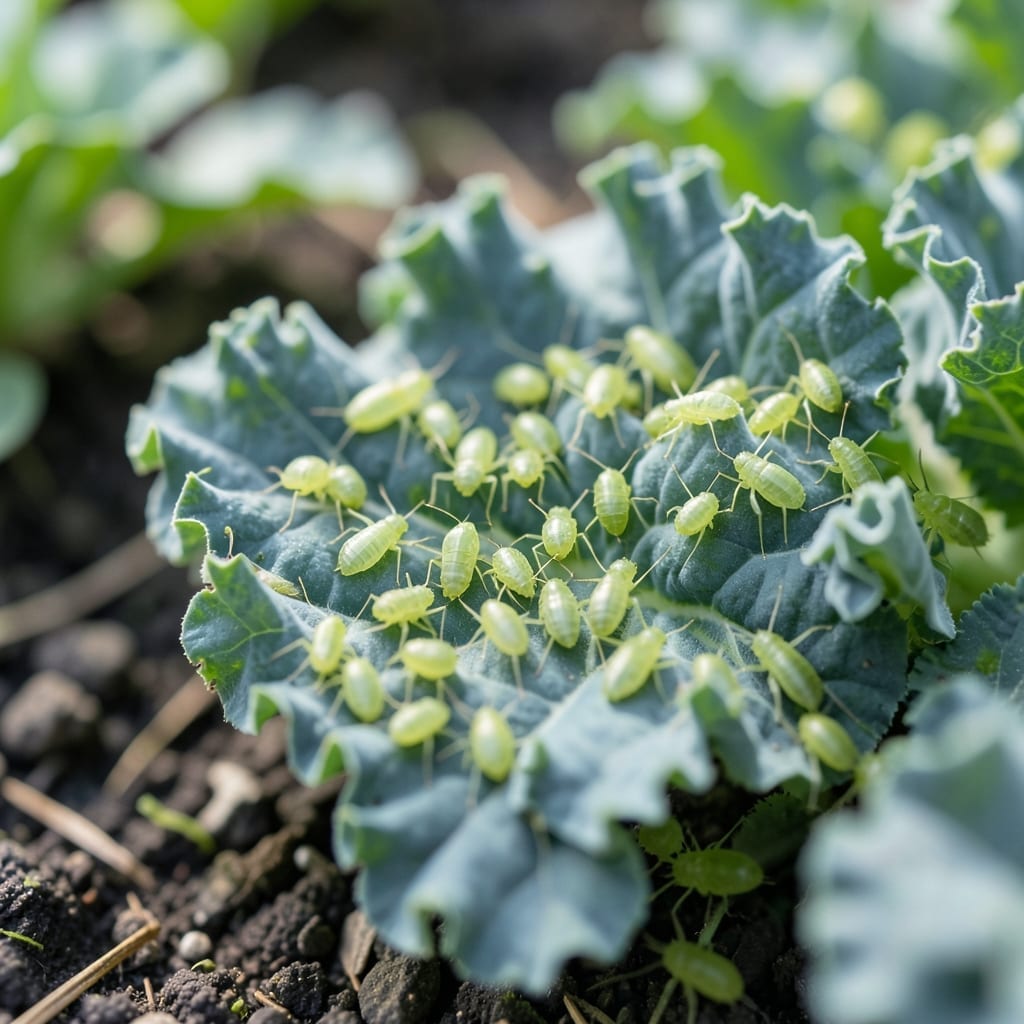
I found aphids on my kale last week and panicked. Turns out, they’re harmless if you handle them right—no chemicals needed.
A quick rinse in cold water removes most, and a vinegar soak tackles the stubborn ones. I’ve been eating kale from my garden for years, and this method keeps it safe and clean every time.
Prevent future outbreaks by checking leaves often and spraying plants with water to knock pests off early. A little attention now saves your harvest later.
No fancy tools, just a sink and a few minutes. Your greens will be ready to eat, aphid-free, in no time.
Aphids are common pests on kale due to a combination of environmental, biological, and gardening factors. Understanding these causes helps prevent infestations and keeps your greens safe to eat.
Kale thrives in cool, moist environments—conditions that also attract aphids. These pests are drawn to the tender new growth of kale leaves, which provide an abundant food source. Overwatering or poor drainage can create excess moisture, further encouraging aphid colonization.
Aphids target kale because of its high nitrogen content, a byproduct of healthy, well-fertilized soil. While nitrogen promotes lush growth, it also softens plant tissues, making them easier for aphids to pierce and feed on. Over-fertilizing with nitrogen-heavy products can exacerbate this issue.
In gardens without biodiversity, aphids multiply unchecked. Ladybugs, lacewings, and parasitic wasps are natural aphid predators, but monoculture planting or pesticide use can disrupt their presence. Without these checks, aphid populations explode on kale and other brassicas.
Poor air circulation from densely planted kale beds creates a humid microclimate that aphids love. Crowded plants also make it harder for beneficial insects to access aphids, allowing infestations to spread quickly.
Dealing with aphids on your kale doesn’t mean you have to toss your greens. Here’s how to solve the issue and keep your harvest safe and delicious:
If you spot only a few aphids, a thorough rinse under cold running water is often enough. Fill a bowl with water and add a splash of white vinegar (1 part vinegar to 3 parts water) to help dislodge pests. Swirl the leaves, then rinse again. Inspect each leaf carefully—aphids love hiding in crevices!
Prevention Tip: 💡 Check your kale regularly, especially under the leaves, where aphids like to cluster.
For a larger aphid presence, soak the kale in a mild soap solution (1 tsp of mild dish soap per gallon of water) for 10–15 minutes. This breaks down the pests’ protective coating. Rinse very well to remove all soap residue. Avoid harsh detergents—they can leave behind unsafe chemicals.
Prevention Tip: 🌡️ Introduce beneficial insects like ladybugs or lacewings to your garden—they’re natural aphid predators!
If the aphids have heavily damaged the kale or you’re uncomfortable eating it, prune the worst-affected leaves and discard them. Focus on salvaging the cleaner parts of the plant. Completely infested plants should be removed to prevent spreading.
Prevention Tip: ✨ Rotate crops and avoid over-fertilizing with nitrogen, which attracts aphids.
After any treatment, give your kale a final rinse and pat dry with a clean towel. Store it in the fridge to keep it fresh until you’re ready to use it. With these steps, your kale will be aphid-free and safe to enjoy!
A thorough rinse under cold water removes most. For stubborn ones, soak in a vinegar-water mix (1:3 ratio) for 10 minutes then rinse again. Always inspect leaves carefully.
Yes, aphids are harmless if ingested in small amounts. They’re just unappetizing! A few missed won’t hurt you, but aim for complete removal for the best experience.
Use only mild dish soap (1 tsp per gallon of water) for heavy infestations. Soak for 10-15 minutes, then rinse very well to remove all residue. Harsh soaps can leave unsafe chemicals.
Check leaves regularly, especially undersides. Spray plants with water to dislodge pests early. Introduce beneficial insects like ladybugs to your garden.