
Beautiful Plants For Your Interior
Beautiful Plants For Your Interior
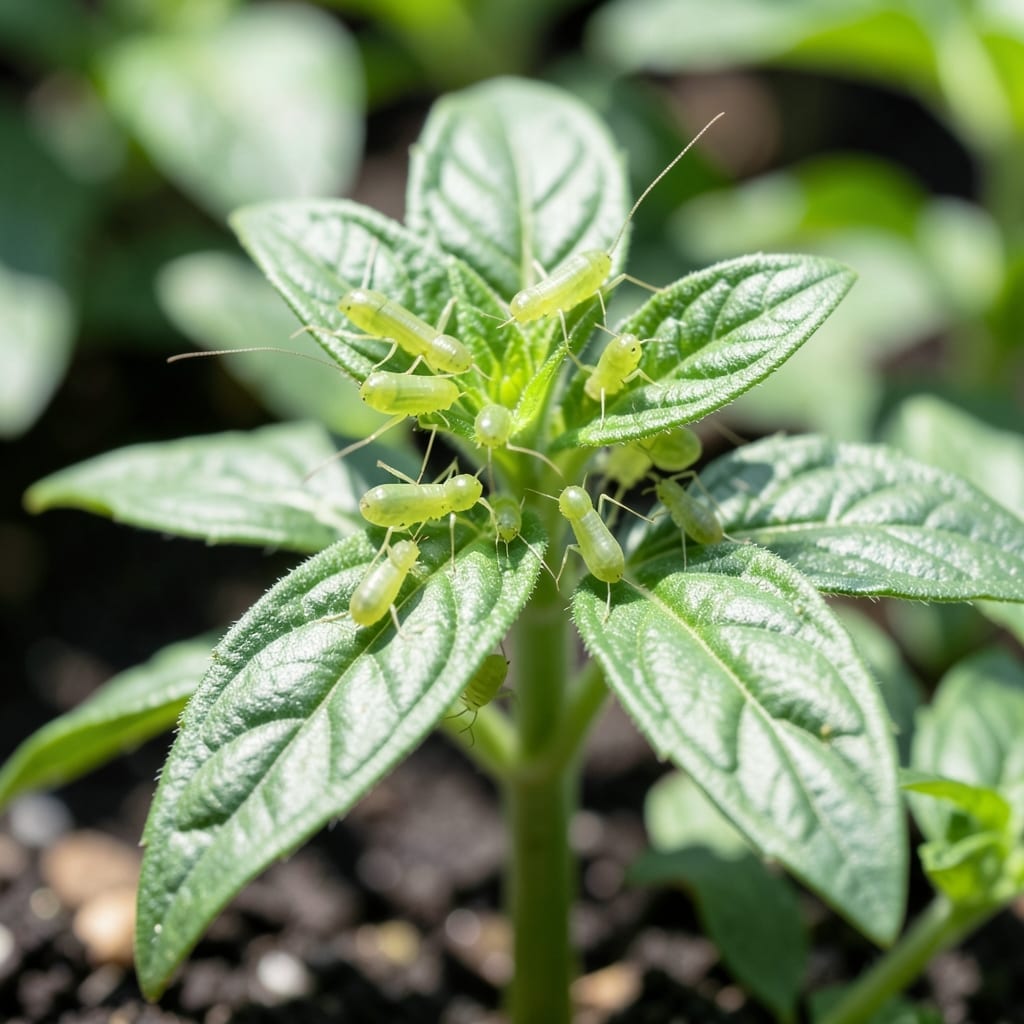
Tiny green invaders can wreck your herb garden overnight. I’ve lost entire basil crops to aphids before learning these foolproof tricks that work without harsh chemicals.
The key is catching them early—check undersides of leaves weekly. A strong spray from the hose knocks them off, but for stubborn cases, I swear by a simple soap solution that’s 100% effective.
Your herbs bounce back fast, looking healthier than before. The best part? This method keeps beneficial insects safe while protecting your plants long-term.
Works for all herbs, from delicate cilantro to hardy rosemary. Let’s get those pests under control.
Aphids thrive on herbs for several biological and environmental reasons. Understanding these causes helps you prevent and manage outbreaks effectively.
Herbs grown too closely together or in poor soil conditions become stressed, emitting chemical signals that attract aphids. Weak plants also lack the vigor to resist infestations. Action: Space herbs properly and enrich soil with compost to boost plant health.
Aphids reproduce rapidly in warm (60–80°F) and dry climates, which accelerate their life cycle. Herbs like basil, dill, and parsley are especially vulnerable during heatwaves. Action: Use shade cloth and maintain consistent moisture to deter them.
Over-fertilizing with nitrogen promotes lush, soft growth—ideal for aphids, which prefer tender new shoots. Action: Balance fertilization with phosphorus and potassium to strengthen plant tissues.
Without ladybugs, lacewings, or parasitic wasps, aphid populations explode. Pesticides often kill these beneficial insects first. Action: Plant companion flowers (e.g., marigolds) to attract predators.
Growing a single herb species in a large area creates a buffet for aphids. Action: Interplant with repellent herbs like rosemary or thyme to disrupt their spread.
Dealing with aphids on your herbs doesn’t have to be a losing battle. Here’s how to tackle each cause with simple, effective fixes—and keep those pests from coming back.
Too many herbs packed together create a cozy aphid hotel. Pull up crowded plants to improve airflow, and space new ones at least 6–12 inches apart. This reduces humidity and makes it harder for aphids to spread. For prevention, always follow spacing guidelines on seed packets or plant tags.
Aphids love damp, stressed plants. Let the top inch of soil dry out between waterings, and use containers with drainage holes. If your herbs are in the ground, amend heavy soil with compost to improve drainage. Water in the morning so foliage dries quickly in the sun. 💡 Pro tip: Use drip irrigation to keep leaves dry and discourage aphids.
Ladybugs, lacewings, and hoverflies are aphid’s worst enemies. Plant pollinator-friendly flowers like marigolds, alyssum, or dill nearby to attract them. Avoid broad-spectrum pesticides, which kill beneficial insects too. For a quick boost, purchase ladybugs from a garden center and release them at dusk.
Aphids target weak herbs, so fertilize lightly with compost tea or a balanced organic fertilizer to keep plants vigorous. Remove heavily infested leaves or stems immediately to prevent spread. ✨ Prevention: Rotate herbs with other crops yearly to reduce pest buildup in the soil.
For container herbs, wrap the rim with double-sided tape to block aphids. In garden beds, lay reflective mulch (like aluminum foil) to disorient pests. Row covers can also work for young plants—just remove them once herbs start flowering to allow pollination.
Check the undersides of leaves weekly for clusters of tiny green, black, or white insects. You may also notice sticky residue (honeydew) or curled leaves.
No, a mild solution of 1 tsp dish soap per 1 quart water is safe for herbs. Spray directly on aphids, avoiding the soil. Rinse after 1-2 hours.
Yes! Plant companion flowers like marigolds or attract predators such as ladybugs. Avoid over-fertilizing with nitrogen, which creates tender growth aphids love.
Prune the worst-affected leaves and stems immediately. For severe cases, use neem oil or insecticidal soap, but test on a small area first.