
Beautiful Plants For Your Interior
Beautiful Plants For Your Interior
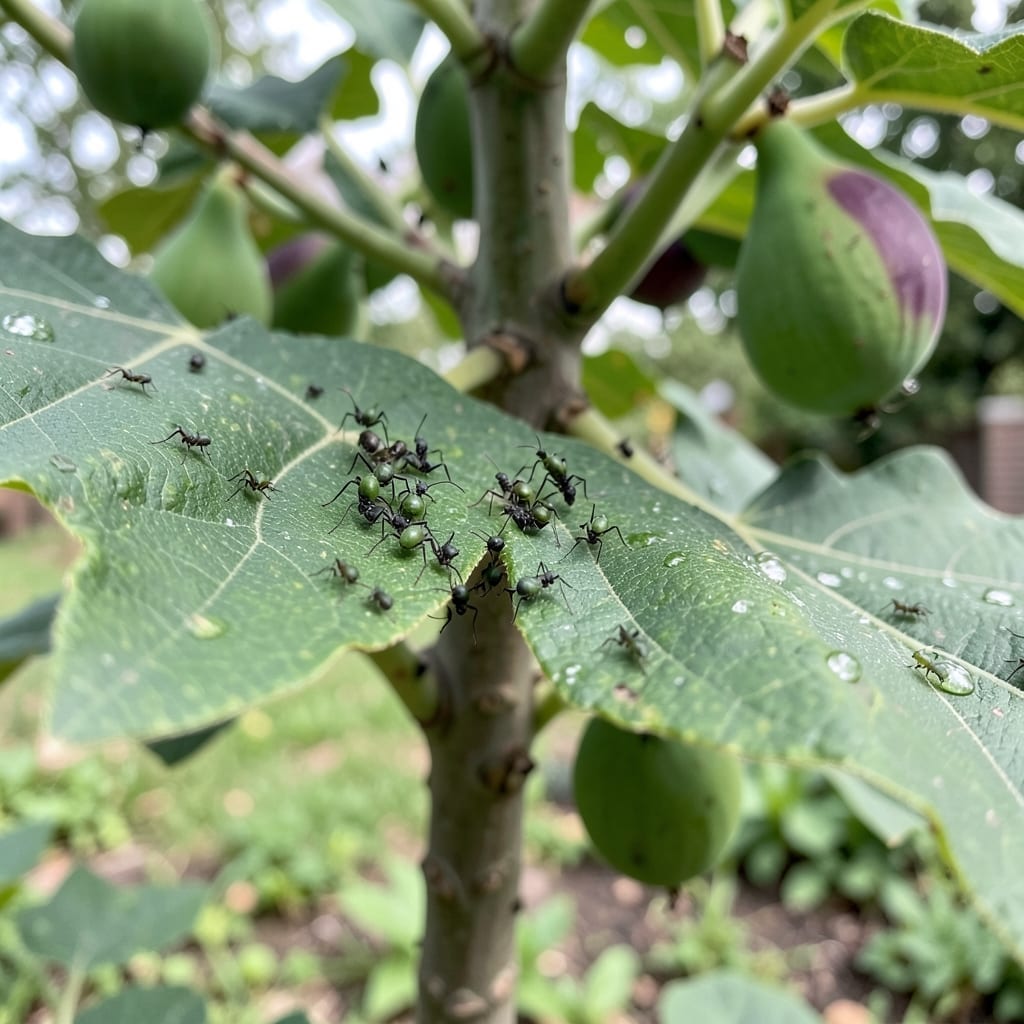
My fig tree looked healthy until I noticed sticky leaves and curled edges. Turns out, aphids had moved in overnight, turning my pride and joy into their personal buffet.
Here’s the thing—aphids multiply fast, but they’re also surprisingly easy to evict without harsh chemicals. A strong blast from the hose knocks most off immediately, while a soapy water spray finishes the job.
Prevention is simpler than you think. Encourage ladybugs, keep ants away, and inspect new growth weekly. Fig trees bounce back fast once the pest pressure drops.
This approach works for potted or in-ground trees, and keeps your harvest safe and chemical-free. No special equipment needed.
Aphids thrive on fig trees for several biological and environmental reasons. Understanding these causes helps you target prevention and treatment effectively.
Excess nitrogen in the soil promotes lush, soft new growth—aphids’ favorite food. Fig trees fertilized heavily with nitrogen-rich products (like synthetic lawn fertilizers) often experience explosive aphid populations. Solution: Use balanced, organic fertilizers and avoid overfeeding, especially in early spring when aphids are most active.
Both drought stress and overwatering can weaken a fig tree, making it more susceptible to aphid attacks. Overwatering leads to soft tissue growth, while drought stresses the plant, reducing its natural defenses. Solution: Maintain consistent moisture with well-draining soil and water deeply but infrequently.
Aphids multiply rapidly when their natural enemies—like ladybugs, lacewings, and parasitic wasps—are absent. Monoculture gardens or heavy pesticide use can eliminate these beneficial insects. Solution: Plant companion flowers (e.g., yarrow, dill, or alyssum) to attract predator insects and avoid broad-spectrum insecticides.
Aphids reproduce fastest in warm (60–80°F), dry weather, which is common during fig tree growth seasons. These conditions allow aphid populations to explode before predators can respond. Solution: Monitor trees closely in early spring and use early interventions like neem oil or insecticidal soap at the first sign of infestation.
Tackling aphids on your fig tree doesn’t have to involve harsh chemicals. Here’s how to address common causes and keep your tree thriving with simple, effective fixes.
For a small aphid presence, blast them off with a strong stream of water from a garden hose. Do this early in the day so the leaves dry quickly, preventing fungal issues. Follow up by wiping leaves with a damp cloth or cotton swab dipped in soapy water (1 tsp mild dish soap per liter of water) to remove lingering pests.
Mix a neem oil solution (2 tbsp neem oil + 1 tsp dish soap + 1 liter of water) and spray evenly on both sides of the leaves, focusing on clusters. Reapply every 5–7 days until the aphids are gone. Alternatively, use insecticidal soap (ready-made or homemade) for quick knockdown. Always test a small area first to avoid leaf burn.
Encourage natural predators like ladybugs, lacewings, or parasitic wasps by planting companion flowers such as marigolds, alyssum, or dill nearby. Avoid broad-spectrum pesticides, which harm these helpful insects. If needed, purchase ladybugs from a garden center and release them at dusk for best results.
💡 Pro tip: Aphids love new growth, so monitor fresh shoots closely in spring!
They appear as tiny green, black, or white insects clustering on new growth or leaf undersides. You may also notice sticky residue (honeydew) or curled leaves as signs of their presence.
A diluted vinegar solution (1 part vinegar to 3 parts water) can deter aphids, but it may also harm leaves. Test on a small area first. Neem oil or soapy water are safer alternatives.
While they rarely kill mature trees, aphids can weaken young trees and reduce fruit quality by sucking sap. Early treatment prevents long-term damage and ensures a healthy harvest.