
Beautiful Plants For Your Interior
Beautiful Plants For Your Interior
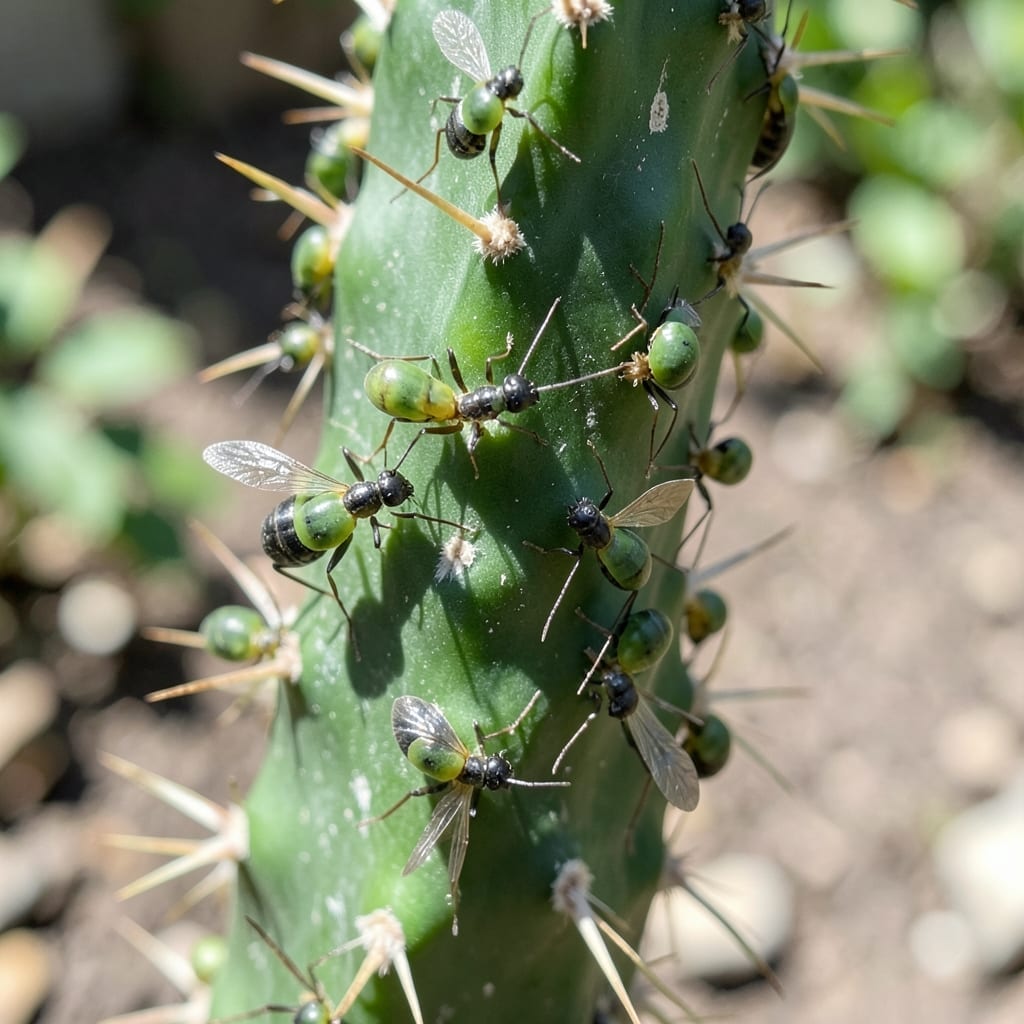
Tiny green invaders on your cactus mean trouble. I first noticed mine when the new growth looked stunted and sticky—classic aphid damage on a plant that usually thrives on neglect.
These pests cluster at the base of spines and in new growth, sucking sap and spreading disease. Left unchecked, they’ll weaken even the toughest cactus. The good news? They’re easier to spot and treat than you’d think.
You’ll see results within 24-48 hours of treatment with the right approach. No fancy equipment needed—just consistency and the willingness to check your plants regularly.
Works for all cactus types, from desert dwellers to jungle varieties. Here’s the battle plan.
Aphids on cacti may seem surprising, but several key factors make it possible. Understanding these causes helps you prevent and address the issue effectively.
Cacti thrive in dry conditions, but excessive moisture creates an ideal environment for aphids. Overwatering weakens the plant’s natural defenses, while high humidity encourages aphid reproduction. Ensure proper drainage and avoid waterlogging to keep aphids at bay.
Stagnant air around cacti traps moisture and invites pests. Aphids thrive in still, humid microclimates, especially in indoor settings. Improve airflow with fans or by spacing plants apart to discourage infestations.
Aphids are drawn to soft, succulent tissues, which are abundant in new cactus growth. Over-fertilizing (especially with nitrogen-heavy formulas) can produce tender shoots that attract aphids. Balance fertilization and avoid overfeeding to reduce vulnerability.
Aphids often spread via contaminated tools, soil, or nearby infested plants. Even outdoor cacti can fall victim if aphids migrate from neighboring vegetation. Inspect new plants and quarantine them before introducing them to your collection.
Dealing with aphids on your cactus doesn’t have to be a struggle. Here’s how to tackle each cause with simple, actionable fixes—and keep them from coming back.
If your cactus is getting too much water, aphids will thrive. Let the soil dry completely between waterings, and ensure the pot has drainage holes. Switch to a well-draining cactus mix if needed. Prevention tip: Water only when the top inch of soil is bone-dry.
Aphids love stagnant air. Move your cactus to a spot with gentle airflow, like near an open window or a fan on low. Grouping plants too closely can trap moisture—space them out. Prevention tip: 💡 Run a small fan for 1-2 hours daily to keep air moving.
Introduce beneficial insects like ladybugs or lacewings to your garden or indoor plant area. They’ll feast on aphids naturally. For indoor cacti, purchase ladybugs online and release them at dusk. Prevention tip: Avoid broad-spectrum pesticides that kill helpful bugs too.
Mix 1 tsp mild dish soap + 1 quart water and spray directly on aphids. The soap breaks down their protective coating. Reapply every 2-3 days until they’re gone. Prevention tip: ✨ Wipe down your cactus with a damp cloth weekly to remove dust and early pests.
Stressed cacti attract pests. Check for root rot or nutrient deficiencies—repot if the roots are mushy or the soil smells foul. Use a balanced, low-nitrogen fertilizer during the growing season. Prevention tip: Keep your cactus in bright, indirect light to maintain its health.
With these steps, you’ll not only eliminate aphids but also create an environment where they’re less likely to return. Stay consistent, and your cactus will thank you!
They appear as tiny green, black, or white bugs clustering near spines or new growth. You might also notice a sticky residue called honeydew on the plant.
Yes, dabbing 70% isopropyl alcohol on a cotton swab works well for small infestations. Test on a small area first to ensure it doesn’t damage the plant.
Inspect your cactus every 1-2 weeks, especially during warm months. Focus on new growth and hidden areas where pests like to hide.
Yes, aphids can quickly move to nearby plants. Isolate infested cacti and treat all plants in the area to prevent further spread.