
Beautiful Plants For Your Interior
Beautiful Plants For Your Interior
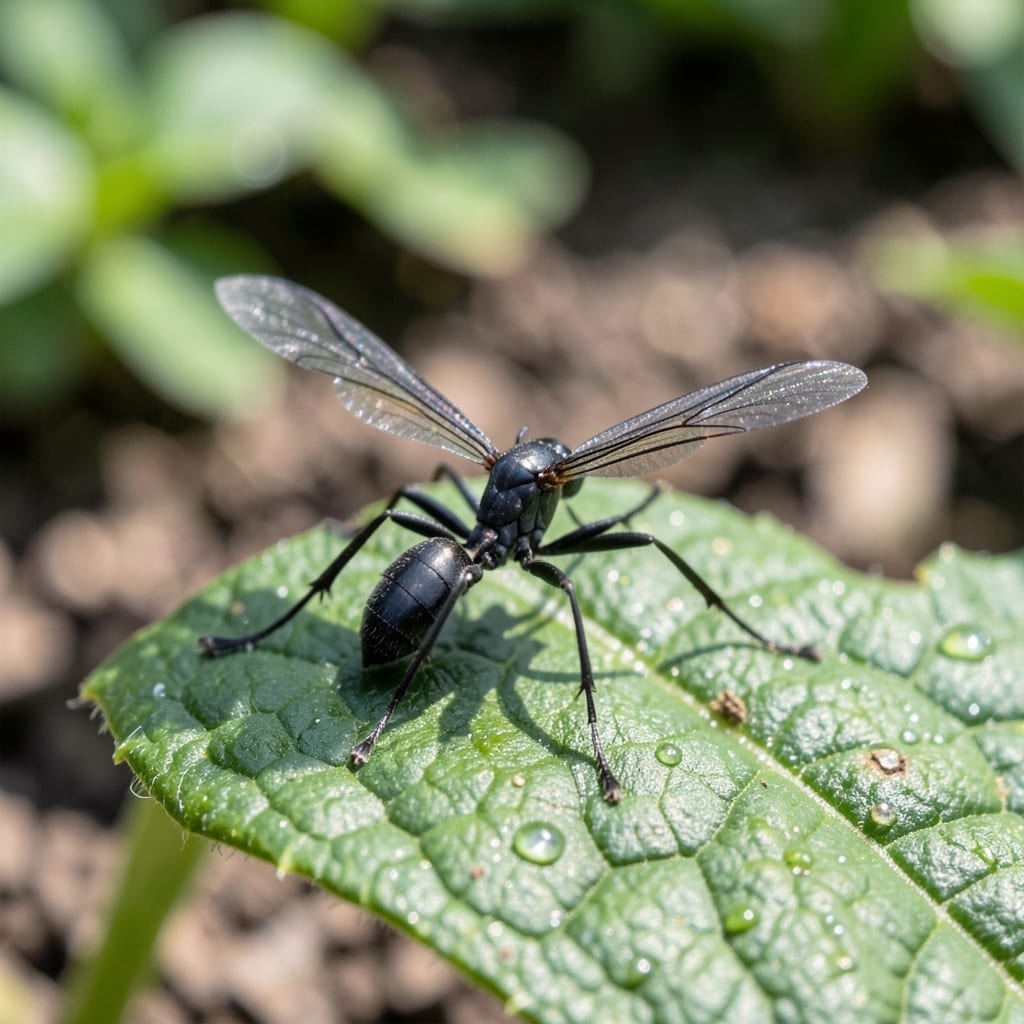
Seeing ants with wings indoors means one thing: a colony is nearby. I first noticed these swarmers on a warm spring afternoon, crawling out of a crack in my foundation.
These winged ants aren’t a new species—they’re reproductive males and females leaving to start new colonies. The swarmer stage is brief, usually lasting just a few days, but it’s your clearest sign of an established infestation.
Identifying them correctly matters. Winged ants have elbowed antennae and uneven wings, unlike termites. Spot these details in close-up images and you’ll know exactly what you’re dealing with.
This isn’t just about the nuisance. Left unchecked, the colony grows and these swarmers keep appearing. The solution starts with proper identification.
Winged ants, often spotted in swarms, are a fascinating phase of ant reproduction. Their appearance is tied to specific biological and environmental triggers. Below are the key reasons why you might see these flying insects.
Most winged ants are reproductives (alates) emerging during nuptial flights. This seasonal event, typically in spring or summer, allows males and future queen ants to mate mid-air. Warm, humid weather signals colonies to produce alates, ensuring optimal conditions for survival.
Mature ant colonies (usually 2–5 years old) generate winged ants as part of their lifecycle. A thriving colony with ample resources triggers the development of alates. If you see swarms indoors, it may indicate a hidden nest nearby reaching maturity.
Rainfall and temperature spikes often precede nuptial flights. Ants time their emergence to coincide with:
If you’re spotting winged ants indoors or around your property, they’re likely reproductive swarmers looking to start new colonies. Here’s how to address the issue effectively, with practical fixes for each cause and prevention tips to keep them from returning.
Winged ants inside often mean a nest is nearby. Inspect damp wood, wall voids, or basements for carpenter ant colonies. Use a soapy water spray to kill visible swarmers, then apply boric acid baits or diatomaceous earth near entry points. For severe infestations, call a pest control professional to treat hidden nests.
Prevention tip: 💡 Fix moisture issues (leaky pipes, poor ventilation) and store firewood away from your home’s foundation.
Outdoor swarms are usually seasonal and harmless, but they can lead to new nests. Trim tree branches and seal cracks in your home’s exterior to block entry. Use a vacuum to remove swarmers from windowsills or patios. For persistent outdoor nests, apply insecticidal dust to the nest entrance at dusk when ants are less active.
Prevention tip: ✨ Keep outdoor spaces clean—remove leaf litter, fallen fruit, and standing water to deter nesting.
Place sticky traps near windows and baseboards to catch early swarmers. If you see discarded wings (a sign of mating), act fast—this means a new colony may be forming. Regularly check for mud tubes (termite-like trails) or frass (sawdust-like debris from carpenter ants).
Prevention tip: 🎯 Schedule annual pest inspections, especially if you live in a wooded or humid area.
Winged ants are reproductive males and females during mating season. They emerge to mate and start new colonies, usually in spring or summer. After mating, they shed their wings and begin nesting.
Ants have elbowed antennae, a narrow waist, and wings of unequal length. Termites have straight antennae, a thick waist, and equal-length wings. This difference is visible in close-up images.
Look for a nest nearby, as this indicates a mature colony. Use soapy water to kill visible ants and set baits to eliminate the colony. Sealing entry points helps prevent more from entering.