
Beautiful Plants For Your Interior
Beautiful Plants For Your Interior
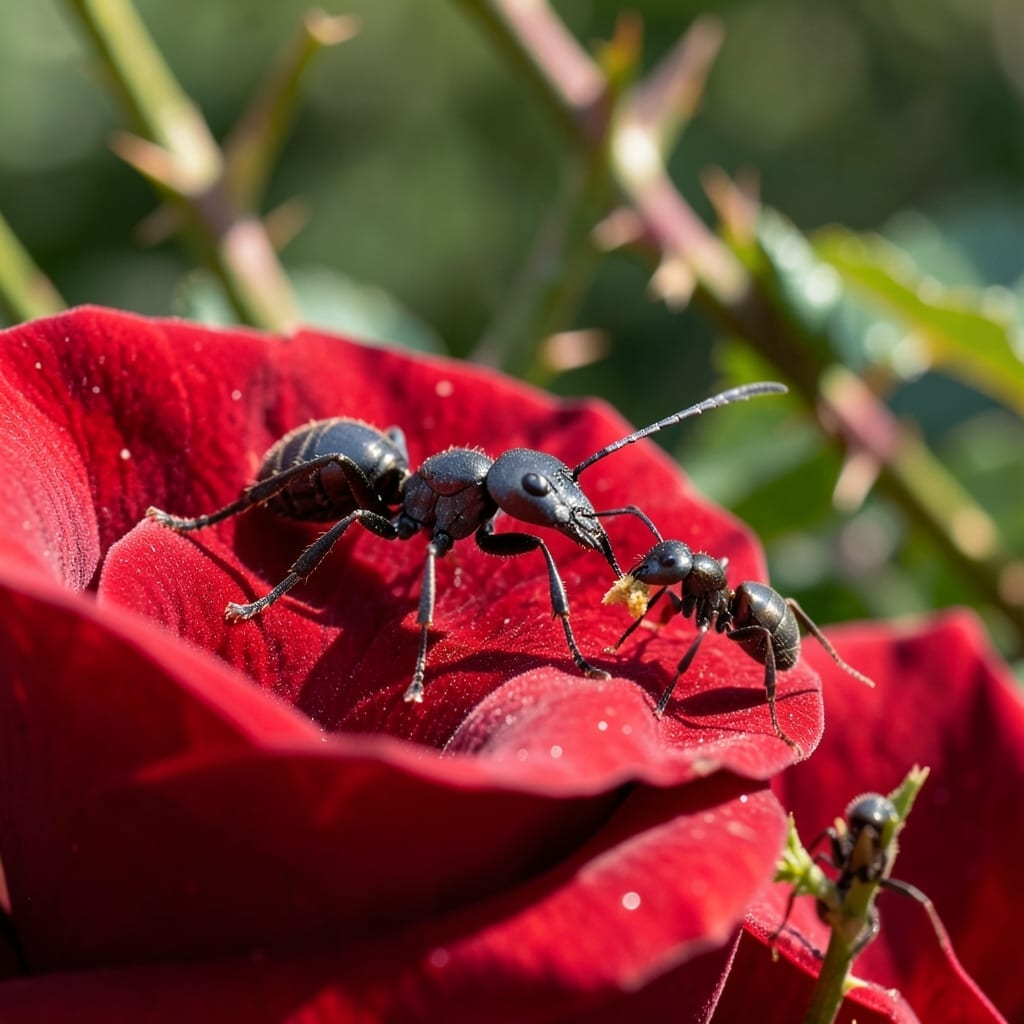
Ants marching up your rose stems means trouble. 🌿 I found these tiny invaders covering my roses last summer, and they were farming aphids like a miniature cattle ranch on my plants.
Here’s the thing—ants don’t actually harm roses directly, but they protect the pests that do. The aphids they herd secrete honeydew that ants love, creating a vicious cycle that weakens your plants and spreads disease.
After testing dozens of natural deterrents, I landed on a few that work without chemicals. Diatomaceous earth, cinnamon, and sticky barriers break the ant-aphid alliance while keeping your blooms thriving.
Works for all rose types, from climbers to miniatures. Let’s break their supply chain and save your flowers.
Ants are naturally drawn to roses for a few key reasons, and understanding these causes can help you address the issue effectively. Here’s why you might be seeing these tiny visitors on your plants:
One of the most common reasons ants swarm roses is the presence of honeydew, a sticky, sugary substance excreted by aphids, scale insects, and other sap-sucking pests. Ants are drawn to this sweet secretion as a food source, and they’ll even protect these pests from predators to keep the honeydew flowing. If you notice a sticky residue on your rose leaves or stems, it’s a sign that honeydew-producing pests are present, luring ants to your plants.
Roses, especially those with dense foliage or mulch at their base, provide an ideal shelter for ants. The soil around the roots and the plant’s structure can offer protection from predators, extreme weather, or disturbances. Some ant species may even nest in the soil near the roots, using the rose bush as a convenient hub for foraging and colony expansion.
Ants are opportunistic foragers, and roses can unintentionally become part of their search for food. While they don’t eat the roses themselves, they may be attracted to fallen petals, dead insects, or organic debris around the plant. Keeping the area around your roses clean and free of decaying matter can reduce this attraction.
In dry or hot conditions, ants may flock to roses in search of moisture. Roses require regular watering, and the damp soil or dew on the leaves can serve as a water source for thirsty ants. Overwatering can exacerbate this issue, as excessively moist soil creates an even more appealing environment for them.
When ants invade your roses, quick and natural solutions can restore harmony to your garden. Here’s how to tackle each cause with simple, effective fixes:
Ants are drawn to the sugary honeydew left by aphids or the natural sap of roses. Wipe down leaves and stems with a damp cloth to remove residue. For aphid infestations, spray with a mix of 1 tsp dish soap and 1 quart of water to eliminate their food source. Prevention tip: 💡 Plant companion herbs like mint or lavender nearby—their strong scents deter ants and aphids.
If ants are nesting under your roses, pour boiling water into visible mounds to destroy the colony. For a gentler approach, sprinkle diatomaceous earth or cinnamon around the base of the plant—these natural powders dehydrate ants. Prevention tip: ✨ Keep mulch and debris 6+ inches away from the rose’s base to reduce nesting spots.
Ants march up stems to reach leaves and blooms. Wrap the base of the rose with sticky tape or a tree band to trap crawling ants. Alternatively, draw a chalk line around the plant—ants avoid crossing it. Prevention tip: 🎯 Elevate potted roses on stands to limit ground access.
Excess moisture attracts ants and promotes fungal growth. Water roses at the base in the morning to allow soil to dry by evening. Prevention tip: 🌡️ Use drip irrigation to keep foliage dry and reduce ant appeal.
Bonus: Encourage natural predators like ladybugs or lacewings, which feed on ants and aphids, for long-term control!
They’re likely farming aphids that secrete honeydew. Ants protect these pests to harvest their sweet waste, creating a sticky mess on your blooms.
Ants don’t harm roses directly, but they shield aphids and other pests that weaken plants by sucking sap. This can lead to stunted growth and disease.
Reapply diatomaceous earth or cinnamon after rain or watering. For sticky barriers, check weekly and refresh as needed to maintain effectiveness.
Avoid vinegar—it can harm your roses. Instead, use a soapy water spray to target aphids or sprinkle food-grade diatomaceous earth for a plant-safe solution.