
Beautiful Plants For Your Interior
Beautiful Plants For Your Interior
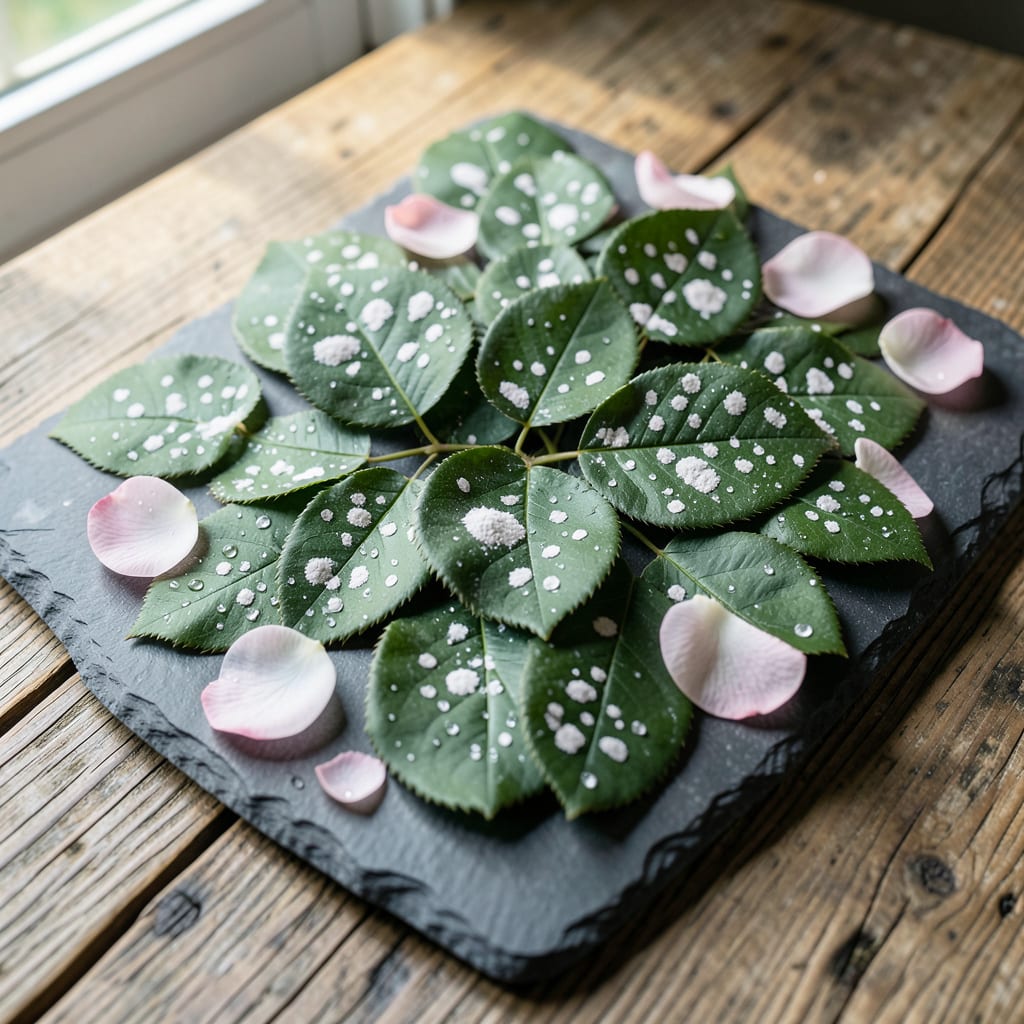
White spots on your rose leaves aren’t just unsightly—they’re a warning sign. I first noticed them on my climbers three seasons ago, and ignoring them turned into a full-blown infestation within weeks.
The culprits are usually powdery mildew or pests like spider mites, both thriving in the UK’s damp, mild climate. Catching it early means the difference between a quick fix and losing your entire plant.
With the right approach, you can clear up spots in 7-10 days and prevent them from returning next season. The solution often starts with better airflow and a simple spray.
Works for hybrid teas, climbers, and shrub roses alike. Here’s how to diagnose and treat it properly.
White spots on rose leaves in the UK often stem from environmental, fungal, or pest-related issues. Here’s a breakdown of the most common causes:
This fungal disease thrives in warm, dry days followed by cool, humid nights—a classic UK summer pattern. The fungus Podosphaera pannosa forms a white, powdery coating on leaves, stunting growth. It spreads via spores carried by wind, so crowded plants or poor airflow worsen the problem.
Unlike powdery mildew, downy mildew (Peronospora sparsa) prefers cool, wet conditions. It causes pale yellow or white patches on the upper leaf surface, with a downy gray growth underneath. Heavy rainfall or overhead watering creates the perfect breeding ground.
Tiny invaders like spider mites or thrips can cause stippling or white speckling as they feed on leaf cells. Spider mites thrive in hot, dry weather, while thrips are more active in warm, humid conditions. Check the undersides of leaves for webbing or tiny black insects.
Hard water or foliar sprays can leave calcium or magnesium residues, appearing as chalky white spots. This is especially common in areas with alkaline tap water. While harmless, it can mask early signs of disease.
Intense sunlight, especially after sudden exposure (e.g., moving potted roses outdoors), can bleach leaf tissue, creating white or tan patches. This is often mistaken for disease but lacks the fuzzy or textured growth of fungal issues.
Dealing with white spots on your rose leaves? Here’s how to tackle each cause with practical fixes and prevention tips to keep your garden thriving.
Mix 1 teaspoon of baking soda with 1 quart of water and a few drops of dish soap. Spray this solution on affected leaves every 7–10 days until the spots disappear. Prevention tip 💡: Improve air circulation by pruning dense foliage and watering at the base to keep leaves dry.
For spider mites or aphids, spray leaves with a neem oil solution (1 tablespoon neem oil + 1 teaspoon dish soap + 1 quart water). Repeat every 5–7 days. Prevention tip 🎯: Introduce beneficial insects like ladybugs or use reflective mulch to deter pests.
Remove infected leaves immediately to stop the spread. Apply a copper-based fungicide as directed on the label. Prevention tip ✨: Avoid overhead watering and clean up fallen leaves to reduce fungal spores.
For edema, reduce watering and ensure proper drainage. If chemical burn is the issue, rinse leaves with water and avoid spraying pesticides on hot, sunny days. Prevention tip 🌡️: Water early in the morning and always follow product instructions for pesticides.
Regularly inspect your roses and act quickly at the first sign of trouble to keep your garden healthy and vibrant!
Not always. While powdery mildew is common, spots can also come from pests like spider mites or even mineral deposits from hard water.
With proper treatment, you should see improvement in 7-10 days. Fungal infections may take longer to clear completely in damp UK weather.
Yes! A mix of 1 teaspoon baking soda with 1 quart water and dish soap works well for powdery mildew. Repeat every 7-10 days.
Fungal spores can spread via wind or water splash. Isolate affected plants and avoid overhead watering to prevent contamination.
