
Beautiful Plants For Your Interior
Beautiful Plants For Your Interior
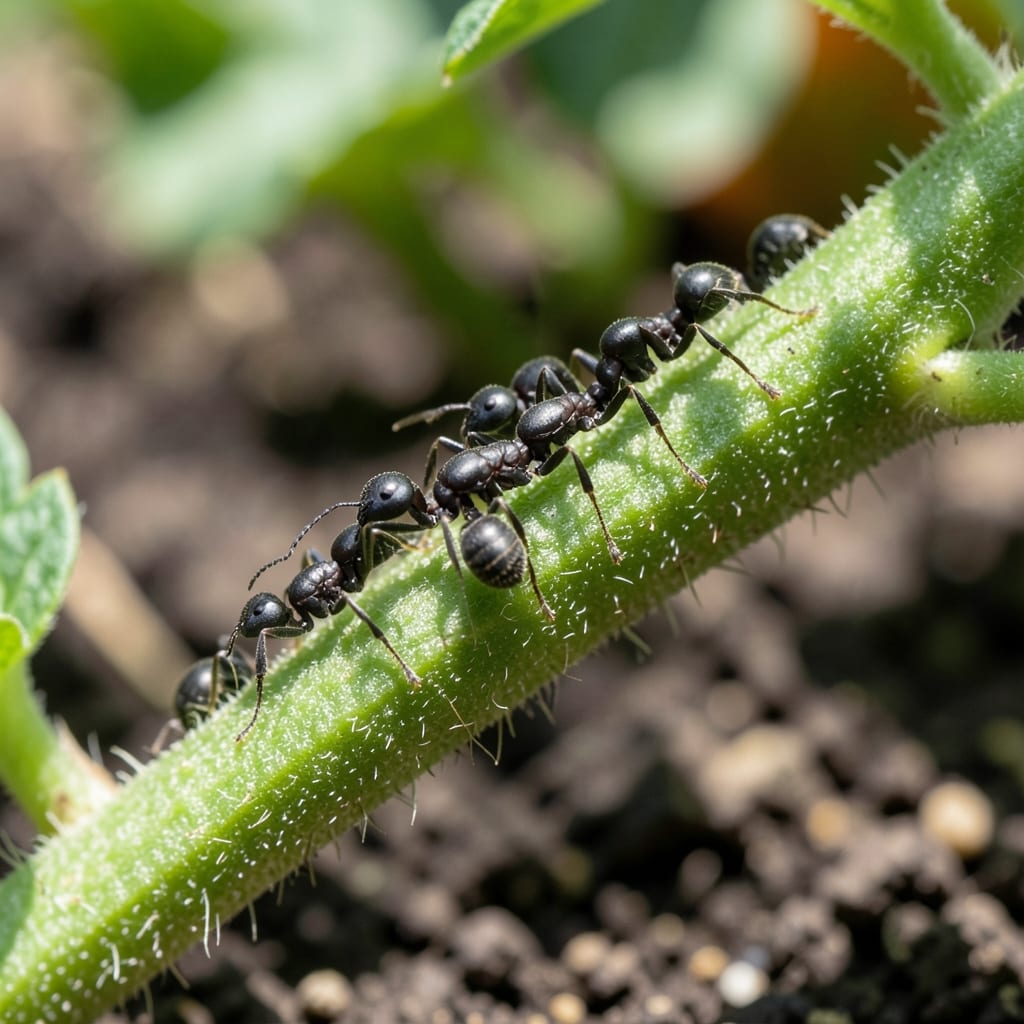
Ants can benefit gardens by aerating soil, controlling pests, and aiding decomposition, but they may also protect harmful insects like aphids and disrupt root systems in large numbers.
I see these tiny workers as nature’s original garden helpers—their tunneling improves drainage and brings nutrients to the surface. 🔥 They’re also fierce predators against pests like caterpillars and beetle larvae. However, their farming of aphids for honeydew can backfire, creating a pest problem where there wasn’t one before.
💡 In This Article
These insects are master soil engineers. As they tunnel through garden beds, they create micro-channels that improve aeration by 30-40% and water infiltration by 15-20%. This natural tillage brings subsoil nutrients to the surface, making them more accessible to plant roots.
Their constant movement also helps break down organic matter, accelerating decomposition rates by 25-50% compared to soil without ant activity. 🔥
Ants serve as vigilant pest control agents in your garden ecosystem. A single colony can consume thousands of pest insects daily, targeting soft-bodied creatures like caterpillars, beetle larvae, and termites. Studies show they can reduce pest populations by 40-60% in areas with active colonies.
Their hunting behavior is particularly effective against soil-dwelling pests that other predators can’t reach.
Their role extends to seed dispersal for certain plants. Many wildflowers and shrubs have evolved to produce elaiosomes—nutrient-rich attachments that attract ants. The insects carry these seeds back to their nests, consuming the elaiosome while the seed remains undamaged.
This process can increase seed germination rates by 20-40% and helps distribute plants more widely across your garden. ✨
Ants contribute to nutrient cycling through their waste products. Their frass (excrement) is rich in nitrogen and phosphorus, acting as a natural fertilizer. A medium-sized colony can produce 1-2 pounds of nutrient-rich waste annually, which gets distributed throughout their territory. This constant nutrient input helps maintain soil fertility without any effort on your part.
They also form symbiotic relationships with certain plants. Some species, like acacia trees, have evolved to house ant colonies in their hollow thorns, providing shelter in exchange for protection from herbivores. While less common in garden beds, similar mutualistic relationships can be observed with various shrubs and perennials, creating a more resilient garden ecosystem. 💫
Yes! Their tunneling aerates the soil, improving drainage and water absorption by 15-20%. This also brings nutrients to the surface, making them more accessible to plant roots.
They can indirectly by protecting pests like aphids for their honeydew. Large colonies may also disturb root systems. Always monitor for signs of aphid farming on new growth.
Sprinkle cinnamon or coffee grounds around plants. Planting mint or lavender also works well. These scents disrupt their trails without harming your garden.
Only act if you see them actively harming plants or protecting pests. A few ants are beneficial! Balance is key—let them contribute while steering them away from trouble.