
Beautiful Plants For Your Interior
Beautiful Plants For Your Interior
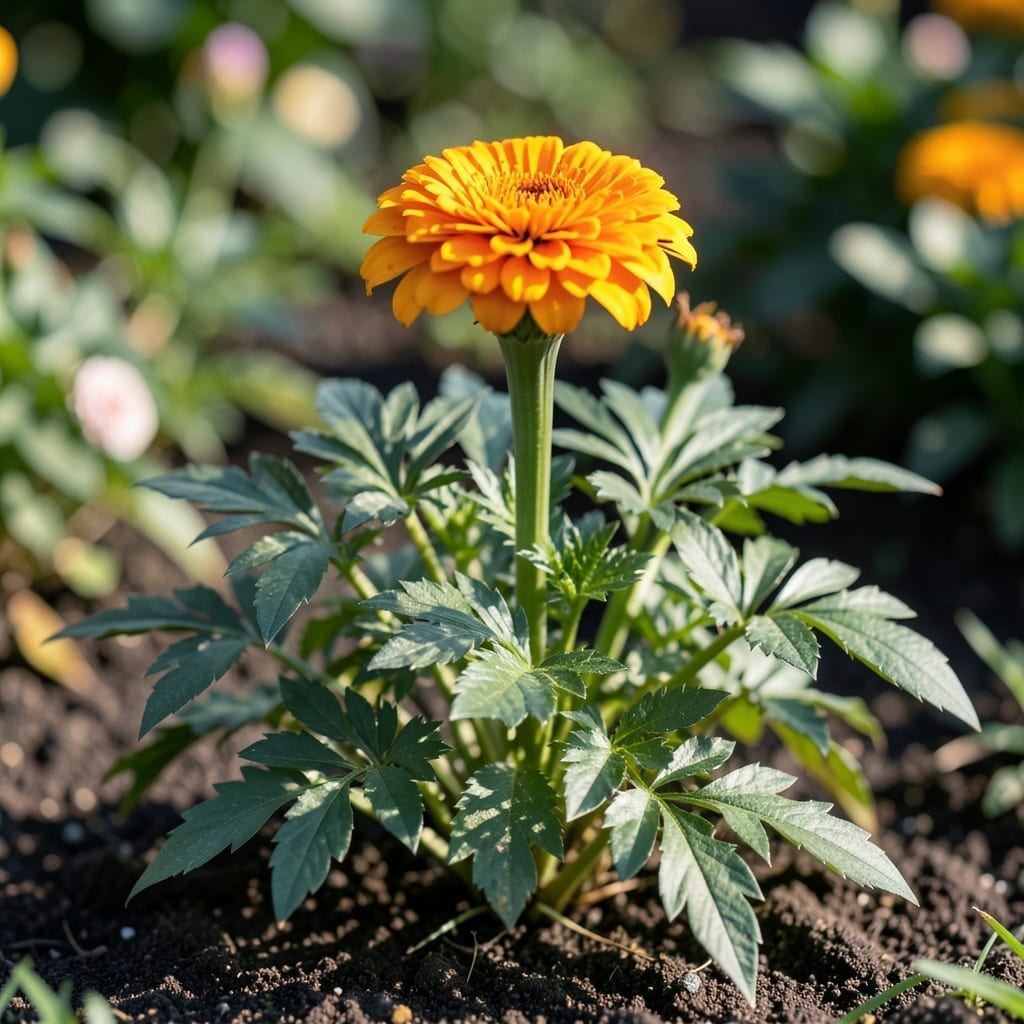
An annual plant completes its entire life cycle—from seed germination to flowering, seed production, and death—within a single growing season.
I love how these plants demonstrate nature’s efficiency, packing a full life cycle into months rather than years. This rapid growth makes them perfect for gardeners who want quick color or immediate results. They’re also ideal for experimenting with different layouts each year. ✨
What’s fascinating is their ability to adapt to changing seasons, often thriving in conditions where perennials might struggle. 💫
💡 In This Article
The journey begins with germination, triggered by warmth and moisture. Once sprouted, these plants channel all energy into rapid growth, often reaching maturity in just 60-90 days. This urgency stems from their evolutionary need to reproduce before the season ends. ✨
As summer peaks, annuals shift focus to flowering. Petunias, for example, can produce hundreds of blooms in a single season. The flowers contain both male and female parts, enabling self-pollination. This ensures seed production even without pollinators.
Seed development follows quickly, with some species producing viable seeds in just 4-6 weeks after flowering. Marigolds, for instance, can generate seeds while still blooming. This overlapping process maximizes reproductive success before frost arrives. 🌟
As days shorten, the plant’s final stage begins. Senescence involves breaking down internal structures to recycle nutrients into seed production. Leaves often turn yellow as chlorophyll degrades. This programmed death ensures the next generation has the best chance.
What’s remarkable is how annuals like zinnias can complete this entire cycle in as little as 60 days under ideal conditions. Their genetic programming prioritizes speed over longevity, a survival strategy perfected over millennia.
The timing varies by species and climate. In warm regions, some annuals may produce multiple generations in a year. In cooler areas, they might barely complete one cycle before winter. This adaptability explains their widespread success in diverse environments. 💫
Most complete their life cycle in 3-6 months, from seed to death. Some fast growers like radishes finish in 30 days, while others like sunflowers may take 4 months.
No, they die after one growing season. However, many self-seed prolifically, creating the illusion of returning annuals. Examples include cosmos and marigolds.
They provide instant color, adaptability, and variety. You can change your garden’s look yearly by trying different annuals. Their rapid growth also fills empty spaces quickly.
Most cannot tolerate frost, as they’re adapted to warm seasons. However, some cool-season annuals like pansies can survive light frosts. Always check your plant’s specific cold tolerance.
Perennials return for 3+ years, while annuals complete their life cycle in one. Biennials take 2 years. This classification helps gardeners plan long-term designs.