
Beautiful Plants For Your Interior
Beautiful Plants For Your Interior
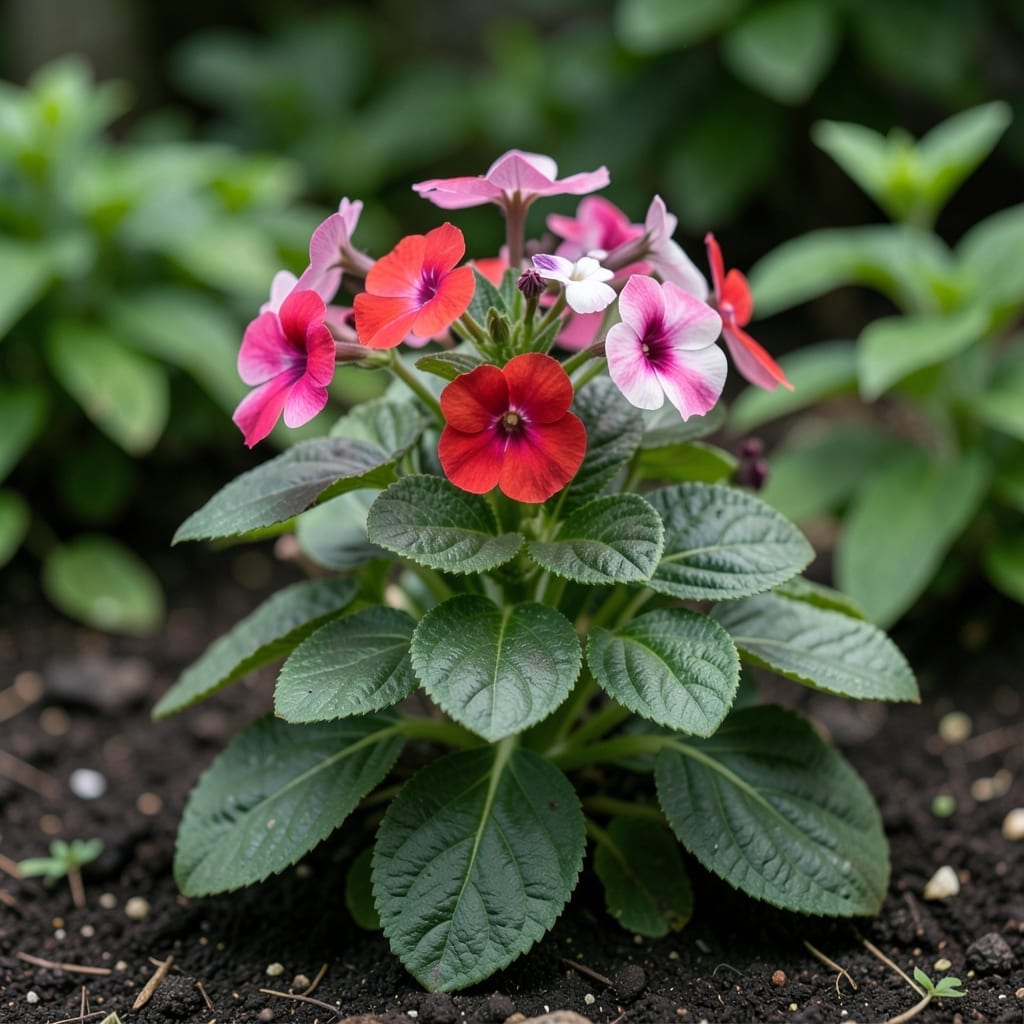
Impatiens, begonias, and coleus thrive in shady spots, offering vibrant blooms and foliage. These low-maintenance annuals adapt well to limited sunlight while adding color to gardens, containers, or borders.
I love how these plants transform dim garden corners into vibrant displays with minimal effort. Their ability to flourish with just 2-4 hours of sunlight makes them perfect for north-facing beds or under trees. 🌟 Plus, their varied textures—from waxy begonias to velvety coleus—create stunning contrasts that brighten any shady area.
💡 In This Article
These shade-tolerant plants have evolved unique adaptations to thrive with minimal light. Impatiens develop thin, broad leaves that maximize surface area for capturing scattered sunlight, while their stems grow taller to reach toward available light. This structural efficiency allows them to photosynthesize effectively even in dim conditions.
Begonias take a different approach with their waxy, often variegated foliage that reflects excess light. Their fibrous root systems are exceptionally efficient at absorbing moisture, which compensates for slower evaporation rates in shady areas. Coleus, meanwhile, focuses energy on colorful foliage rather than flowers, using pigments to absorb light wavelengths that penetrate canopy cover.
All three have adapted to store energy during brief sun exposure. Impatiens can photosynthesize at just 50-100 foot-candles of light (compared to full sun’s 10,000), while begonias’ thick leaves prevent water loss in humid, low-light environments. This efficiency makes them ideal for spots receiving only 2-4 hours of dappled sunlight daily. ✨
Their moisture retention strategies are equally impressive. Coleus develops a slight fuzz on leaves to reduce transpiration, while impatiens’ succulent stems store water. Begonias often grow from tubers or rhizomes, allowing them to survive dry spells that might affect less adapted plants in shady, sometimes damp, conditions.
What’s particularly fascinating is how these adaptations create a symbiotic relationship with their environment. The same features that help them survive low light also make them more resistant to common shade-garden problems like powdery mildew, as improved air circulation through their leaf structures prevents moisture buildup. 🔥
Most thrive with just 2-4 hours of dappled sunlight daily. Some, like impatiens, can survive with even less. They’re perfect for north-facing beds or spots under trees where sunlight is limited.
Use wide, shallow pots with drainage holes for impatiens and begonias. Elevate containers on bricks for better air circulation, and rotate them weekly for even growth.
Water at the soil level to avoid leaf spots, especially in humid conditions. Keep soil moist but not soggy—shade plants dislike waterlogged roots. A light fertilizer every 4-6 weeks keeps them vibrant.
This usually means they’re stretching for more light. Move them to a slightly brighter spot or pinch back the stems to encourage bushier growth. They’ll bounce back quickly!