
Beautiful Plants For Your Interior
Beautiful Plants For Your Interior
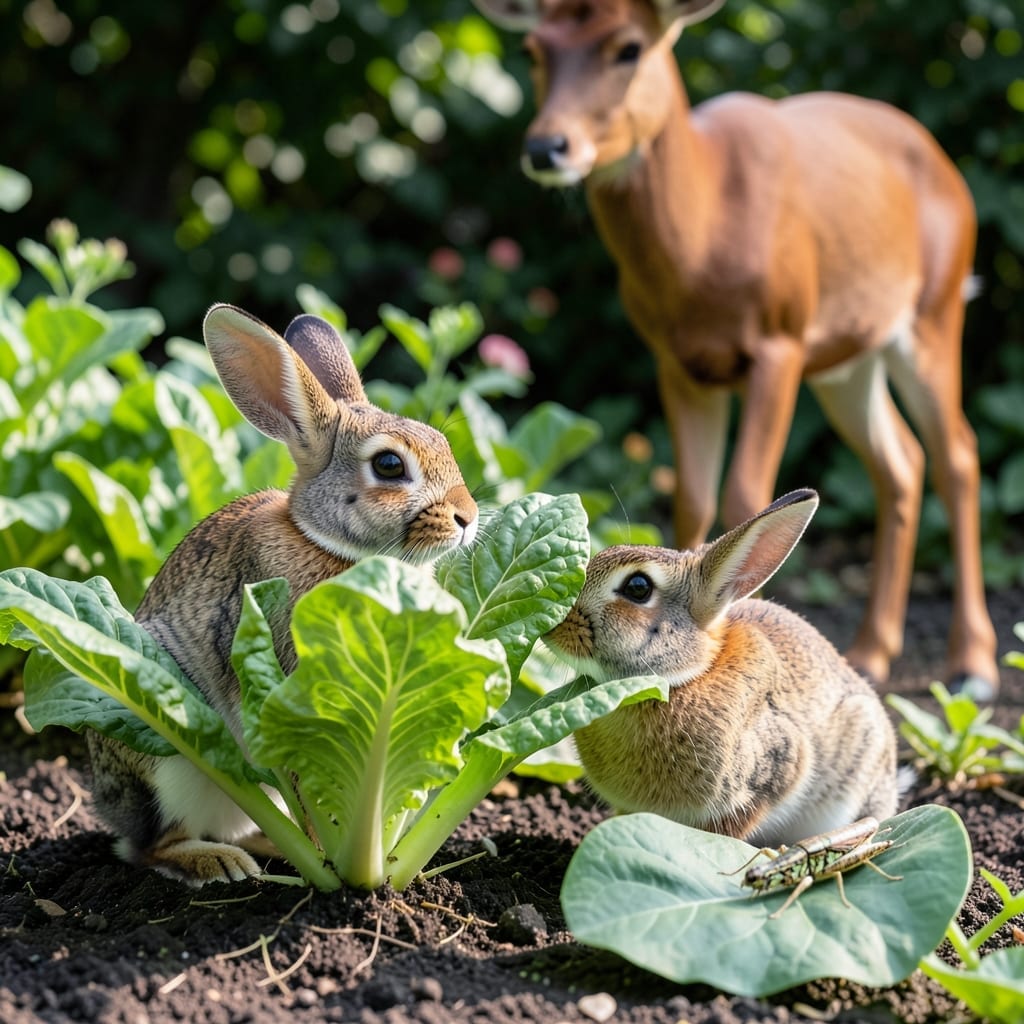
Animals that primarily consume plants are called herbivores. These creatures have specialized digestive systems to break down tough plant material like leaves, stems, and seeds.
I find it fascinating how these plant-eaters have evolved unique adaptations to thrive on vegetation. Their multi-chambered stomachs and symbiotic gut bacteria allow them to extract maximum nutrition from cellulose, which most animals can’t digest. From deer in forests to rabbits in gardens, they play a crucial role in ecosystem balance. ⚡
💡 In This Article
The magic happens in their multi-chambered stomachs. Ruminants like cows and deer have a four-chambered stomach where plant material ferments with the help of symbiotic bacteria and protozoa. These microbes break down cellulose, a tough fiber that makes up 50% of plant cell walls, into volatile fatty acids that the animal can absorb as energy.
🔥
This fermentation process generates heat, which is why cows often appear sweaty. The first chamber, the rumen, acts like a giant fermentation vat holding up to 50 gallons in adult cattle. The bacteria produce enzymes called cellulases that humans and most other animals lack entirely. Without these microbes, herbivores would starve on a plant diet.
Specialized teeth complement this digestive system. Herbivores typically have flat molars for grinding plant material into tiny particles, increasing surface area for microbial action. Their incisors are sharp for snipping vegetation, while canines are often reduced or absent. This dental arrangement maximizes their ability to process fibrous plants efficiently. ✨
The cecum in animals like rabbits and horses serves a similar purpose to the rumen. These hindgut fermenters process plant material in their large intestine, where bacteria break down cellulose. They often practice coprophagy—eating their own feces—to extract maximum nutrition by passing food through their system twice. 💫
This digestive efficiency allows herbivores to thrive on vegetation that would be indigestible to most other animals. Their systems extract energy from materials with as little as 2-5% protein content, while carnivores require diets with 20-30% protein to meet their nutritional needs. This adaptation explains why they can survive on grass, leaves, and stems alone.
It’s called an obligate herbivore. These animals cannot digest meat at all and must get all their nutrients from plants. Examples include cows, horses, and rabbits.
No, there are two main types. Ruminants like cows have four-chambered stomachs, while hindgut fermenters like rabbits use their cecum to break down plant material. Both rely on bacteria to digest cellulose.
Some occasionally consume insects or eggs for extra protein, but these are called opportunistic herbivores. True herbivores will refuse meat entirely, as their bodies can’t process it.
Their digestive systems lack the enzymes to break down animal proteins. Also, their long intestines are optimized for slowly processing fibrous plants, not quick meat digestion.
Yes, some like deer or hippos occasionally eat small animals or carrion. Scientists call this behavior “facultative herbivory,” but plants still make up 90%+ of their diet.