
Beautiful Plants For Your Interior
Beautiful Plants For Your Interior
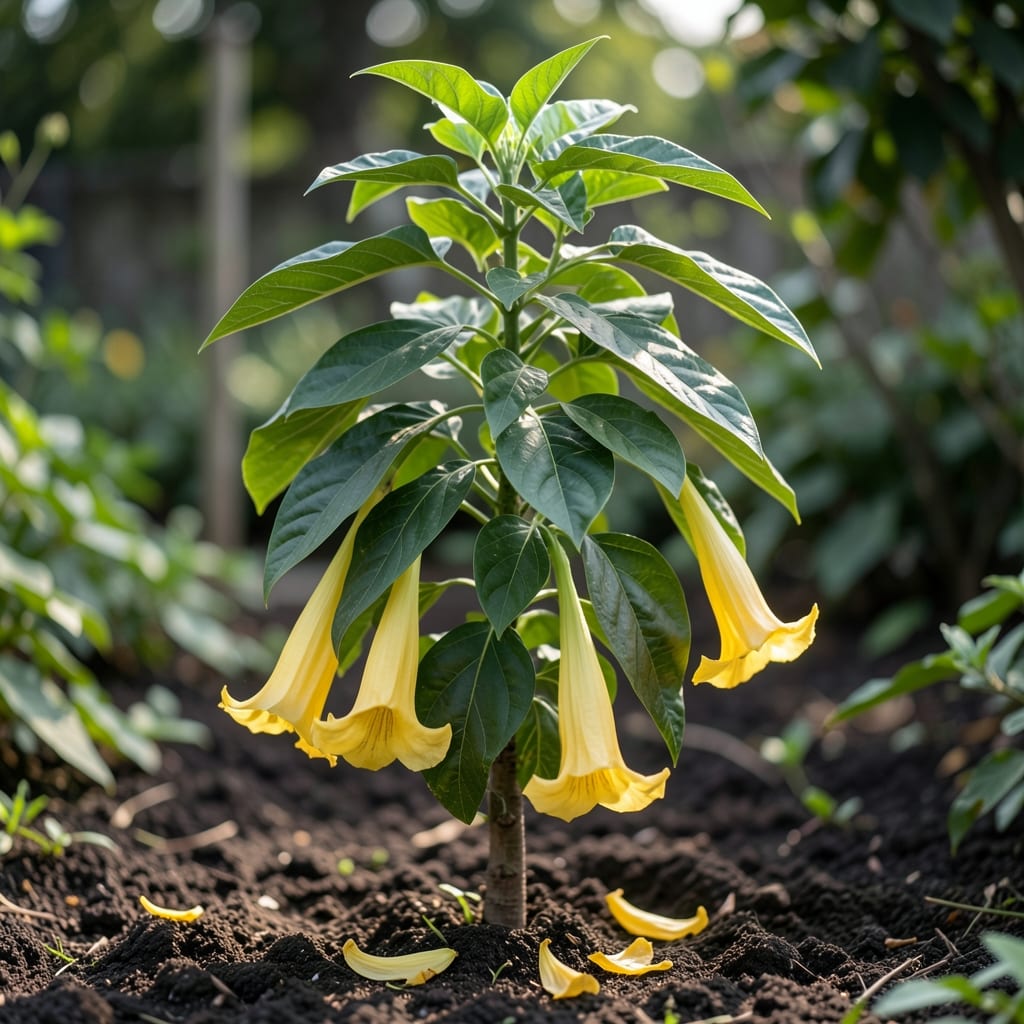
Yellow Angel’s Trumpet stopped me in my tracks the first time I smelled its evening fragrance. That intoxicating scent travels across the yard, and the golden blooms glow like lanterns at dusk.
Here’s the thing—this plant thrives with minimal fuss. Give it full sun, well-draining soil, and consistent moisture, and it rewards you with nonstop flowers from summer through fall.
I’ve grown mine in pots and in the ground, and both work beautifully. The key is protection from frost, as it’s tropical by nature.
Fair warning: every part is toxic if ingested, so keep it away from pets and kids. But that fragrance? Absolutely worth the effort.
The vibrant Brugmansia, commonly known as angels trumpet, can sometimes develop yellow leaves, signaling underlying issues. Below are the primary causes, explained with actionable insights.
Yellowing often stems from a lack of essential nutrients, particularly nitrogen, magnesium, or iron. Nitrogen deficiency typically causes uniform yellowing (chlorosis) across older leaves, while magnesium shortages create yellow patches between leaf veins. Iron deficiency, common in alkaline soils, leads to yellowing with green veins. Solution: Use a balanced fertilizer (10-10-10) or soil amendments like Epsom salt (for magnesium) or chelated iron.
Angels trumpet thrives in moist but well-drained soil. Root rot from waterlogged conditions restricts nutrient uptake, causing yellow, wilting leaves. Solution: Ensure pots have drainage holes, and water only when the top inch of soil is dry. Repot in fresh, loose soil if roots appear mushy or black.
Too much direct sunlight can scorch leaves, turning them yellow or brown. Conversely, insufficient light leads to pale, weak growth. Solution: Place plants in bright, indirect light (4–6 hours of morning sun) and use shade cloth in intense afternoon heat.
Sap-sucking pests like aphids, spider mites, or whiteflies drain nutrients, causing yellow stippling or mottling. Check leaf undersides for webbing or sticky residue. Solution: Spray with neem oil or insecticidal soap weekly until pests are gone.
If your angel’s trumpet (Brugmansia) is turning yellow, act fast to restore its vibrant green leaves and stunning blooms. Below are targeted fixes for common causes, paired with prevention tips to keep your plant thriving.
Fix: Stop watering immediately and check the soil. If it’s soggy, repot the plant in fresh, well-draining potting mix. Trim any black or mushy roots with sterilized shears. Use a container with drainage holes to prevent waterlogging.
Prevention: Water only when the top 1-2 inches of soil are dry. Stick your finger in to test! Consider adding perlite or sand to improve drainage.
Fix: Yellow leaves often signal a lack of nitrogen, magnesium, or iron. Apply a balanced, water-soluble fertilizer (10-10-10) every 2-4 weeks during the growing season. For iron deficiency (yellowing between veins), use chelated iron or lower the soil pH slightly.
Prevention: Feed your angel’s trumpet regularly in spring and summer. Mulch with compost to slowly enrich the soil.
Fix: Inspect the undersides of leaves for spider mites, aphids, or whiteflies. Spray off pests with a strong stream of water, then apply insecticidal soap or neem oil. Repeat every 5-7 days until gone.
Prevention: Keep the area clean and free of debris. Introduce beneficial insects like ladybugs to deter pests naturally.
Fix: Move potted plants to a spot with dappled shade, especially during the hottest part of the day. For in-ground plants, provide temporary shade with a cloth or lattice. Increase watering slightly to counteract dryness.
Prevention: Angel’s trumpet prefers partial shade in hot climates. Monitor leaves for scorching and adjust placement as needed.
💡 Pro Tip: Yellow leaves won’t turn green again, so remove them to redirect the plant’s energy to healthy growth. Consistency in care is key—stick to a routine for watering, feeding, and pest checks!
Water when the top 1-2 inches of soil feel dry. In hot weather, this may mean watering every 2-3 days, but always check first. Overwatering causes root rot, so good drainage is key.
Yes! Use a large pot with drainage holes and well-draining soil. Container-grown plants need more frequent watering and fertilizing during the growing season. Move pots indoors before the first frost.
Lack of blooms often means insufficient light or nutrients. Ensure it gets 4-6 hours of morning sun and use a balanced fertilizer every 2-4 weeks. Also, avoid pruning too late in the season.
No, all parts of the plant are highly toxic if ingested. Keep it out of reach of pets and children. Wear gloves when pruning to avoid skin irritation from its sap.