
Beautiful Plants For Your Interior
Beautiful Plants For Your Interior
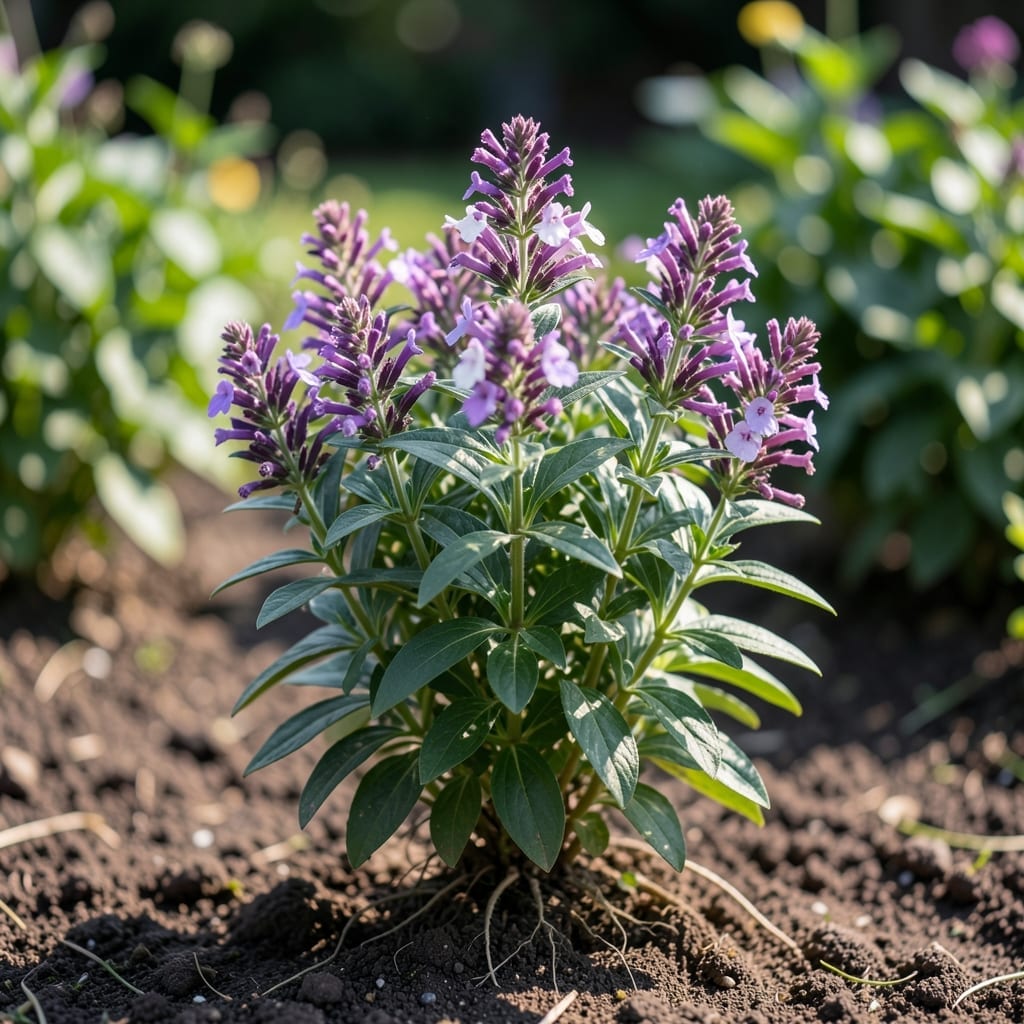
Summer heat doesn’t scare angelonia—it thrives in it. I discovered these tough plants after watching my other blooms wilt in 90°F afternoons while angelonia just kept flowering.
They handle drought like champions and ask for almost nothing in return. Plant them in full sun with well-draining soil, and you’ll get spikes of snapdragon-like flowers from late spring until frost.
The colors range from deep purples to soft pinks and whites, all standing tall without flopping. Butterflies and hummingbirds visit constantly, and deer usually leave them alone.
Perfect for borders, containers, or filling gaps in sunny beds. Once established, they laugh at dry spells and keep blooming through the hottest months.
Angelonia, or summer snapdragon, is a hardy plant, but it can still face challenges in the garden. Here’s why problems may arise:
Angelonia thrives in full sun, requiring at least 6–8 hours of direct sunlight daily. Insufficient light leads to leggy growth and reduced flowering, as the plant stretches for light, weakening its structure. Conversely, intense afternoon sun in extreme climates (especially with poor soil moisture) can scorch leaves, causing brown edges. This happens because the plant’s transpiration rate outpaces water uptake, leading to cellular damage.
While drought-tolerant, angelonia needs consistent moisture during establishment. Overwatering suffocates roots, promoting fungal diseases like Phytophthora or root rot, as anaerobic conditions hinder nutrient absorption. On the flip side, underwatering in prolonged dry spells stresses the plant, causing wilted foliage and bud drop. The soil’s moisture balance must be maintained—aim for 1 inch of water per week, adjusting for rainfall.
Angelonia prefers well-draining, slightly acidic to neutral soil (pH 6.0–7.0). Heavy clay or compacted soil restricts root growth, limiting access to water and nutrients. Additionally, nutrient deficiencies (e.g., nitrogen for foliage, phosphorus for blooms) can stunt growth. A soil test helps identify imbalances; amend with compost or sand to improve drainage and fertility.
Common pests like aphids and spider mites damage angelonia by sucking sap, leading to yellowing leaves or distorted growth. Fungal diseases, such as powdery mildew, thrive in high humidity or poor air circulation. These issues often stem from overcrowding or overhead watering, which keeps foliage damp. Prune for airflow and water at the base to prevent such problems.
Keeping your angelonia thriving is simple once you know how to tackle the most common problems. Below are practical solutions to restore your garden’s vibrant blooms.
Cause: Underwatering or heat stress.
Fix: Water deeply at the base (not overhead) in the early morning to allow roots to absorb moisture before the heat peaks. Use a soaker hose for even distribution. If the soil is bone-dry, give it a thorough drink—angelonia bounces back quickly!
Prevention Tip: 💡 Mulch around the base with organic matter to retain moisture and regulate soil temperature.
Cause: Overwatering or poor drainage.
Fix: Check the soil—if it’s soggy, halt watering immediately and improve drainage by amending the bed with sand or perlite. Trim affected leaves to redirect energy to healthy growth.
Prevention Tip: 🎯 Plant angelonia in well-draining soil or raised beds to avoid waterlogged roots.
Cause: Sap-sucking pests weaken the plant.
Fix: Blast pests off with a strong stream of water, or apply neem oil or insecticidal soap in the evening (to avoid harming pollinators). Repeat every 5–7 days until gone.
Prevention Tip: ✨ Encourage natural predators like ladybugs by planting companion flowers such as marigolds nearby.
Cause: Too much shade or over-fertilizing (especially high-nitrogen mixes).
Fix: Relocate potted angelonia to a sunnier spot (6+ hours of light daily). Switch to a balanced, low-nitrogen fertilizer (e.g., 10-10-10) and deadhead spent flowers to promote new buds.
Prevention Tip: 🌡️ Feed lightly every 4–6 weeks during the growing season—angelonia blooms best with modest nutrition.
Angelonia thrives with 6–8 hours of full sun each day. It tolerates partial shade but may produce fewer blooms. In extreme heat, afternoon shade helps prevent leaf scorch.
Yes! Use a pot with drainage holes and well-draining potting mix. Containers allow you to move them to ideal sunlight spots. Water when the top 1 inch of soil feels dry.
Leggy growth usually signals insufficient light. Move them to a sunnier location and pinch back stems to encourage bushier growth. Avoid over-fertilizing with nitrogen.
Their vibrant blooms draw butterflies, bees, and hummingbirds. Plant in clusters for maximum pollinator appeal while keeping deer at bay.