
Beautiful Plants For Your Interior
Beautiful Plants For Your Interior
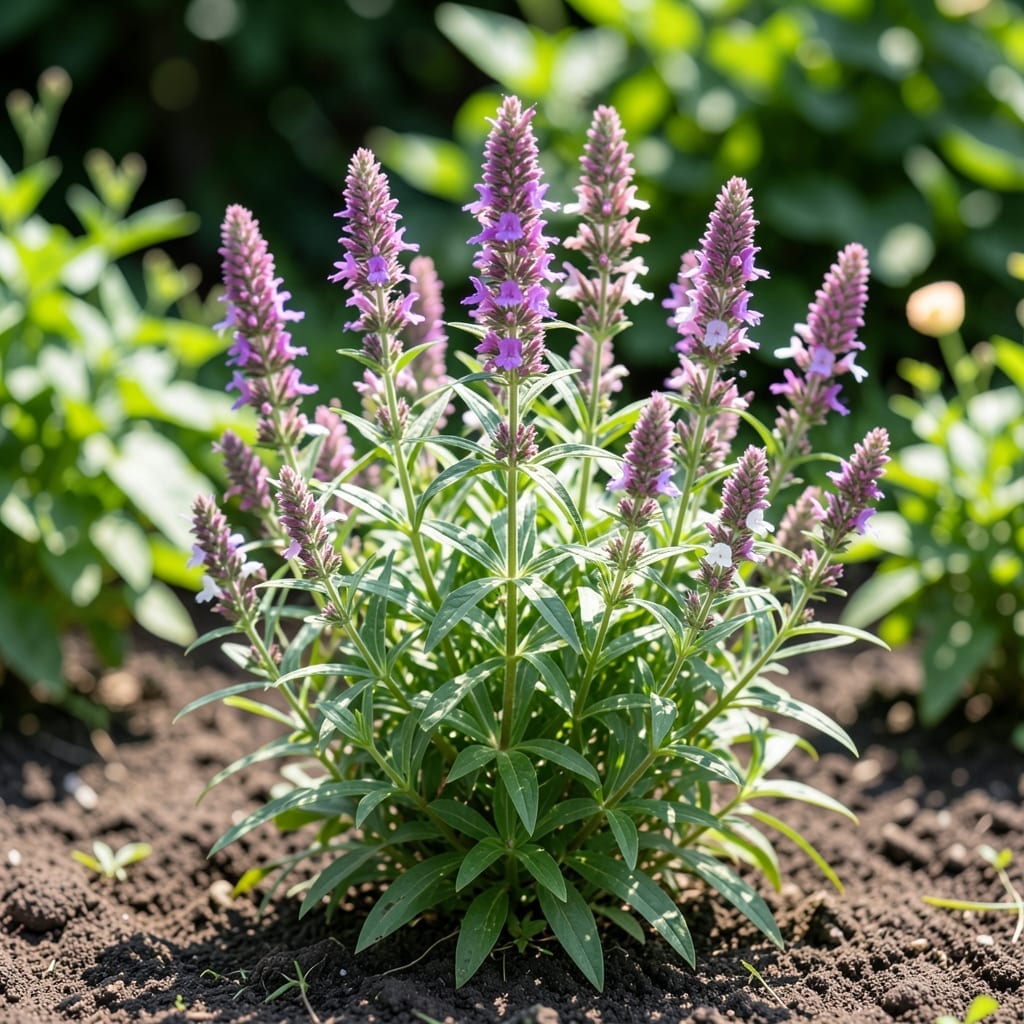
Angelonia is a tender perennial in warm zones 9-11 but is typically grown as an annual in cooler climates where frost would kill it. Its heat tolerance makes it a summer favorite.
I love how this plant thrives where others wilt in scorching 90°F+ weather. It handles drought like a champ once established, which is why gardeners in hot climates rely on it year after year. But north of zone 9, you’ll need to treat it like a seasonal star and replant each spring. 🌟
What’s fascinating is its native habitat in tropical regions gives it that heat-loving superpower. Yet that same heritage means it can’t survive even a light frost without protection.
💡 In This Article
Angelonia’s classification hinges on its tropical origins in Mexico and the West Indies. These regions never experience frost, allowing the plant to grow year-round as a woody perennial. In USDA zones 9-11, where winter temperatures rarely dip below 25°F, angelonia maintains this natural growth cycle. Its stems gradually thicken and become semi-woody, supporting continuous blooms.
🌟
The plant’s frost sensitivity comes from its cellular structure. Angelonia’s cells contain high water content, which expands and ruptures when temperatures drop below 32°F. This damage is irreversible, killing the plant within hours. Even a light frost at 30°F can blacken foliage overnight.
In zone 8 and cooler areas, this means certain death by winter’s first freeze.
What’s remarkable is angelonia’s heat tolerance mechanism. The plant closes its stomata (leaf pores) during peak afternoon temperatures, conserving moisture while continuing photosynthesis. This adaptation allows it to thrive in 100°F+ heat where other annuals wilt. The trade-off is complete cold intolerance. ✨
Gardeners in zone 9 often report their angelonia returning for 2-3 years before needing replacement. In zones 10-11, specimens can reach 3-4 feet tall with proper care. This longevity contrasts sharply with northern gardens, where even the healthiest plants last just one season. The difference comes down to 10-15°F in average winter lows.
For comparison, consider its cousin the snapdragon. Both belong to the Plantaginaceae family, but snapdragons can survive light frosts down to 20°F. Angelonia’s tropical evolution left it without this cold-hardy trait. This explains why it’s called a “tender” perennial—it lacks the biological defenses to handle any freezing temperatures. 💫
Only in warm zones 9-11, where it survives winters. In cooler areas, it’s treated as an annual and won’t regrow after frost.
Yes! Dig it up before frost, pot it, and keep indoors in a sunny spot above 50°F. Replant in spring after the last frost.
Its tropical origins make it frost-sensitive. Cells rupture below 32°F, causing irreversible damage within hours.
In zones 10-11, it can reach 3-4 feet tall with proper care. In cooler zones, it stays smaller as an annual.
Start seeds indoors 6-8 weeks before the last frost or plant young plants after all danger of frost has passed.