
Beautiful Plants For Your Interior
Beautiful Plants For Your Interior
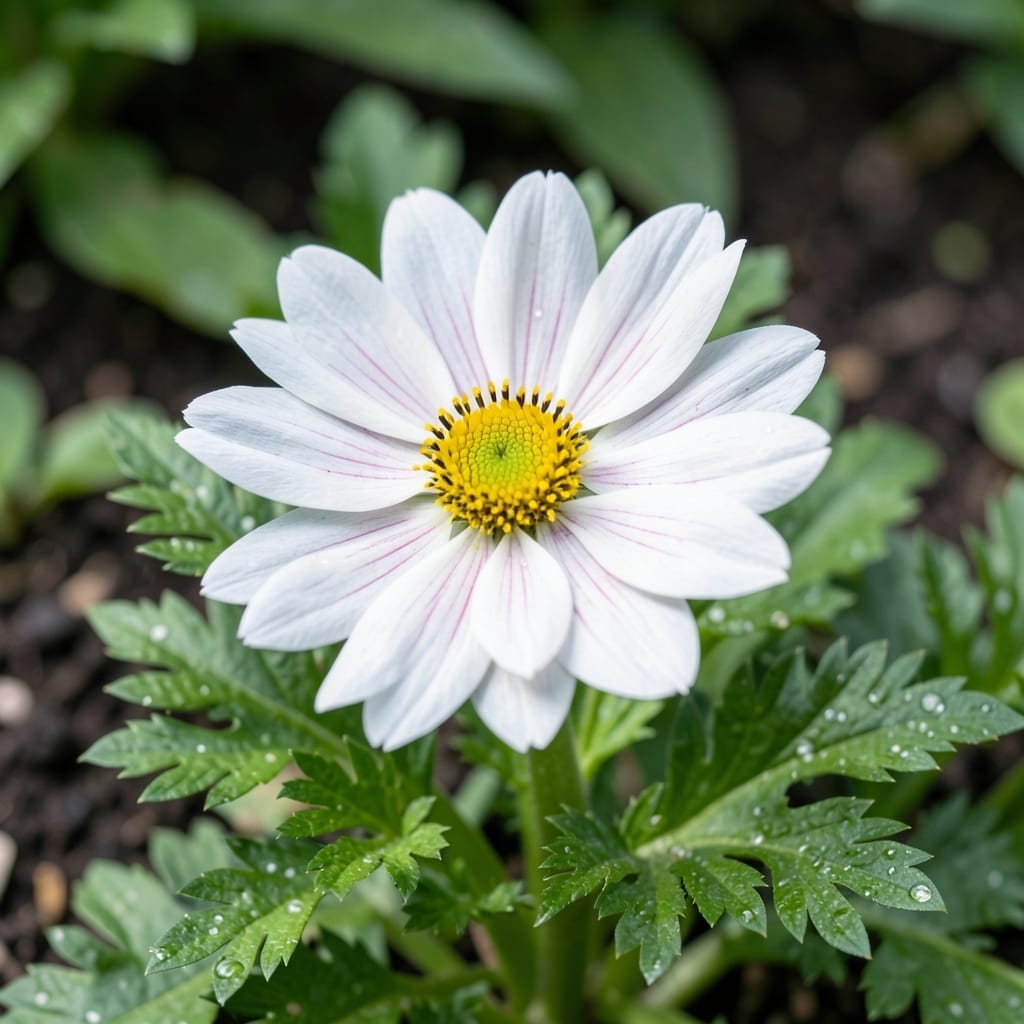
Many anemone varieties naturally resist deer due to their toxic compounds and bitter taste. Japanese, wood, and grape-leaf anemones are particularly effective at deterring browsing.
I’ve found these plants thrive because they produce ranunculin and protoanemonin, compounds that irritate deer mouths and discourage grazing. This natural defense works year-round, though resistance may peak during active growth in spring and summer. 🌟
Gardeners in high-deer areas often rely on these varieties for their beauty and resilience without fencing. ✨
💡 In This Article
Anemones produce ranunculin, a glycoside that converts to protoanemonin when plant tissues are damaged. This compound causes immediate mouth irritation and burning, making the plants highly unpalatable to deer. 🔥
The toxin concentration varies by species, with Japanese anemones containing up to 0.5% protoanemonin by dry weight. This is 5-10 times higher than in susceptible plants deer typically browse. The bitter taste acts as a secondary deterrent. ✨
Seasonal changes affect resistance too. Protoanemonin levels peak during active growth in spring and early summer when plants are most vulnerable to browsing. The compounds also become more potent in dry conditions. 🌟
Deer learn to avoid these plants after just one unpleasant experience. The irritating effects can last for hours, creating a strong conditioned aversion. This explains why even hungry deer will bypass thriving anemone patches. ⚡
Interestingly, the same compounds that deter deer also provide anemones with natural antifungal and antibacterial protection. This dual benefit helps explain their hardiness in garden settings. 💫
Not all, but most have strong resistance. Japanese, wood, and grape-leaf types are most reliable due to their high protoanemonin content. Always check specific varieties before planting.
Typically after just one bite. The immediate mouth irritation creates a lasting aversion. Some deer may test plants occasionally but usually avoid them.
Young plants or new growth may get nibbled before deer learn. Use temporary fencing for the first few weeks if deer pressure is high.
Well-drained soil and partial shade help plants thrive, increasing their natural toxin production. Healthy plants are more resistant.
Yes, they’re excellent companion plants. Their deer resistance doesn’t affect neighboring plants, making them ideal for mixed borders.