
Beautiful Plants For Your Interior
Beautiful Plants For Your Interior
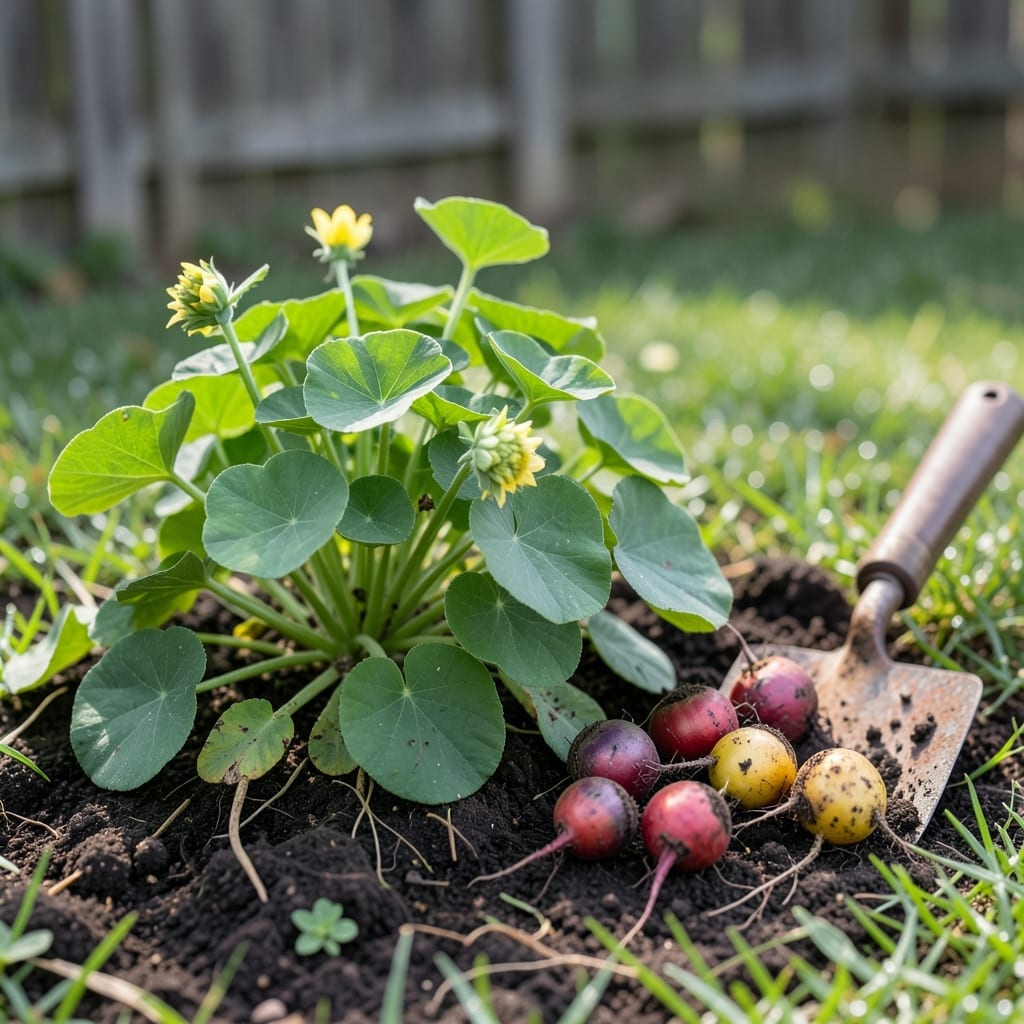
These high-altitude gems thrive where others struggle. I’ve grown them in rocky soil at 8,000 feet with surprising success, and the flavor beats anything from the store.
They need cool temperatures, well-draining soil, and patience. You’ll get nutrient-packed tubers that store well through winter, with minimal fuss once established.
📚 In This Guide
High-altitude conditions demand precision, but this method ensures robust growth and bountiful harvests.
Choose a location with full sun exposure—Andean root vegetables thrive in bright, direct light for at least 6-8 hours daily. The soil must be loose, well-draining, and slightly acidic with a pH between 5.5 and 6.5. I always test the soil first because compacted or heavy clay soils will suffocate the tubers.
Amend the bed with 2-3 inches of aged compost worked into the top 8-10 inches of soil. Avoid fresh manure, which can burn tender roots. The bed should be raised if drainage is poor—standing water will rot tubers before they mature. A slight slope helps prevent water pooling during heavy mountain rains.
For tubers, plant whole or cut pieces (each with at least 2-3 eyes) at a depth of 4-6 inches and spacing of 12-15 inches apart. Deeper planting protects against late frosts common at elevation. If sowing seeds, scatter them ¼ inch deep in rows 18 inches apart, then thin to 6 inches apart once seedlings emerge.
Water immediately after planting to settle the soil around the tubers or seeds. I use a gentle spray to avoid displacing them. The soil should feel moist but not soggy—overwatering at this stage invites fungal issues that thrive in cool, damp highland conditions.
Keep the soil evenly moist, particularly during the first 6-8 weeks as the plants establish. Water deeply once or twice weekly, depending on rainfall, ensuring the top 1-2 inches of soil dry slightly between waterings. Mulch with 1-2 inches of straw to retain moisture and suppress weeds, which compete aggressively in nutrient-rich soils.
Andean root vegetables prefer cooler temperatures between 50-70°F. If daytime temperatures exceed 75°F, provide afternoon shade to prevent stress. Watch for wilting or yellowing leaves—these indicate either under or overwatering, both of which are common in unpredictable mountain climates.
Apply a balanced, low-nitrogen fertilizer (such as 5-10-10) at planting and again when plants reach 6 inches tall. Too much nitrogen produces lush foliage at the expense of tuber development. I side-dress the fertilizer 4-6 inches from the plant base to avoid burning roots.
Inspect plants weekly for signs of pests like Andean weevils or aphids, which thrive in high-altitude gardens. Remove pests by hand or use neem oil spray at the first sign of infestation. Rotate crops annually to prevent soil-borne diseases from taking hold in the same bed.
Most Andean root vegetables reach maturity in 90-120 days, depending on the variety. Harvest when the tops begin to yellow and die back, or when tubers reach the expected size for your cultivar. Use a garden fork to gently lift the tubers from the soil, being careful not to pierce them.
Cure tubers in a dark, well-ventilated area with temperatures between 50-60°F for 10-14 days. This toughens the skin for storage. Store in a cool, dry place with good airflow—improper curing or storage leads to rot, which is devastating after months of care.
High-altitude gardening presents unique challenges, but these insights will help you succeed.
The Soil Factor: Test your soil pH before planting to ensure it falls within the 5.5 to 6.5 range. Compacted or heavy clay soils will suffocate tubers, so amend with 2-3 inches of aged compost worked into the top 8-10 inches. This creates the loose, well-draining environment these plants need to thrive.
Planting Depth Precision: For tubers, plant at the specified 4-6 inch depth with 12-15 inches between each. Deeper planting protects against late frosts, which are common at elevation. If sowing seeds, stick to the ¼ inch depth in rows 18 inches apart and thin to 6 inches apart once seedlings emerge.
Moisture Management: During the critical first 6-8 weeks, keep soil evenly moist but not soggy. Water deeply once or twice weekly, allowing the top 1-2 inches of soil to dry slightly between waterings. Mulch with 1-2 inches of straw to retain moisture and suppress weeds.
Temperature Control: Andean root vegetables prefer temperatures between 50-70°F. If daytime temperatures exceed 75°F, provide afternoon shade to prevent stress. Watch for wilting or yellowing leaves, which can indicate under or overwatering.
Popular types include olla potatoes, mashua, yacon, and rachas. These hardy crops thrive in high-altitude climates and are staples in Andean cuisine.
Most prefer cool, high-altitude conditions (8,000+ ft), but some, like yacon, adapt to lower elevations with mild climates. Ensure well-draining soil and consistent moisture.
Maturity varies: mashua takes 7-9 months, while olla potatoes may take 4-6 months. Patience and cool temperatures are key!
Try sweet potatoes, parsnips, or jerusalem artichokes for similar textures and flavors. These are easier to find and grow in varied climates.
Overwatering or poor drainage is often the culprit. Ensure loose, well-draining soil and avoid waterlogging to prevent rot.