
Beautiful Plants For Your Interior
Beautiful Plants For Your Interior
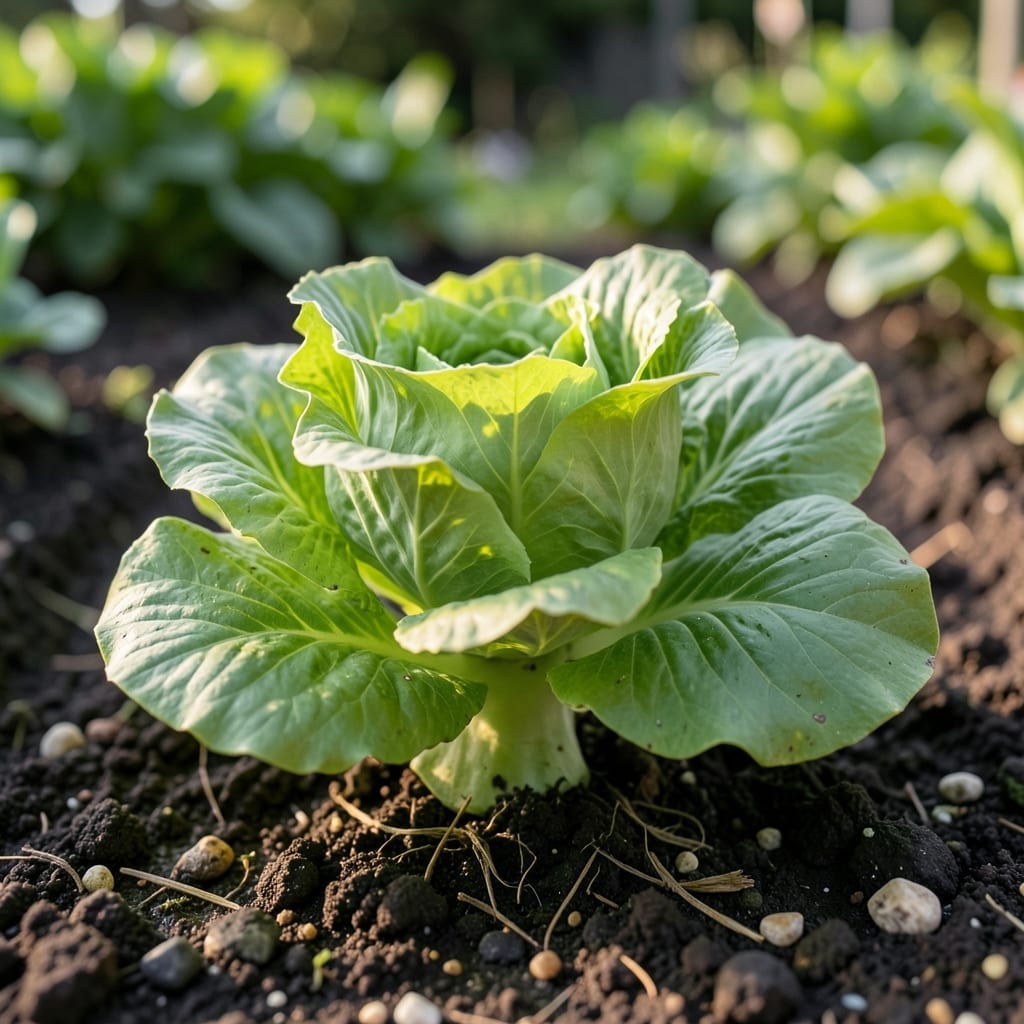
Herbivores are animals that primarily consume plants for energy and nutrients, including deer, rabbits, and cows. They have specialized digestive systems to break down cellulose.
I’ve always found it fascinating how these creatures thrive on greenery alone. Their systems use gut bacteria and fermentation to extract nutrients from tough plant fibers that most animals can’t process. From tiny caterpillars to massive elephants, the herbivore world is incredibly diverse. ✨
In gardens, you’ll often spot rabbits or deer munching on leaves and stems. They play a crucial role in ecosystems by controlling plant growth. 🌱
💡 In This Article
The secret lies in their gut microbiomes. Herbivores host trillions of bacteria and protozoa in their digestive tracts that produce enzymes like cellulase, capable of breaking down cellulose into absorbable sugars. This fermentation process occurs in specialized chambers—like a cow’s rumen or a horse’s cecum—where plant material can spend 24-72 hours being processed. 🔥
These animals have evolved unique physical adaptations too. Take a rabbit’s continuously growing incisors that slice through tough stems, or a cow’s flat molars that grind grass into a fine pulp. The fermentation process also generates volatile fatty acids, which provide 50-70% of a ruminant’s energy needs.
This is why you’ll often see cows contentedly chewing their cud.
What’s particularly fascinating is how different herbivores specialize. Ruminants like deer have four-chambered stomachs for maximum nutrient extraction, while hindgut fermenters like horses process food in their cecum after it passes through the small intestine. This explains why a horse can digest hay more efficiently than a rabbit, despite both being herbivores. ✨
The efficiency of this system varies by species. A cow converts about 60% of plant energy into usable nutrients, while smaller herbivores like rabbits need to eat their own feces (a process called coprophagy) to extract maximum nutrition from their food. This double-digestion strategy allows them to survive on lower-quality plant material. 💫
Temperature also plays a role in digestion efficiency. Ruminants maintain a stable 101-104°F in their rumen, the ideal range for microbial activity. When temperatures drop, as in winter months, these animals may need to consume 10-20% more food to maintain their energy levels and keep their digestive bacteria active and thriving. ⚡
An animal is a plant-eater, or herbivore, if its diet consists of at least 90% plant material like leaves, stems, and fruits. Their teeth and digestive systems evolve specifically to process fibrous plant tissue.
Herbivores have specialized gut bacteria that produce cellulase enzymes, which break down cellulose in plant walls. Human digestive systems lack these enzymes and the fermentation chambers needed for this process.
Use 8-foot fences for deer or 1-inch mesh for smaller animals. Natural deterrents like garlic spray or motion-activated sprinklers can also help. Plant deer-resistant varieties like lavender for added protection.
Ruminants like cows convert about 60% of plant energy into usable nutrients, thanks to their four-chambered stomachs. They can spend 24-72 hours fermenting plant material for maximum nutrient extraction.