
Beautiful Plants For Your Interior
Beautiful Plants For Your Interior
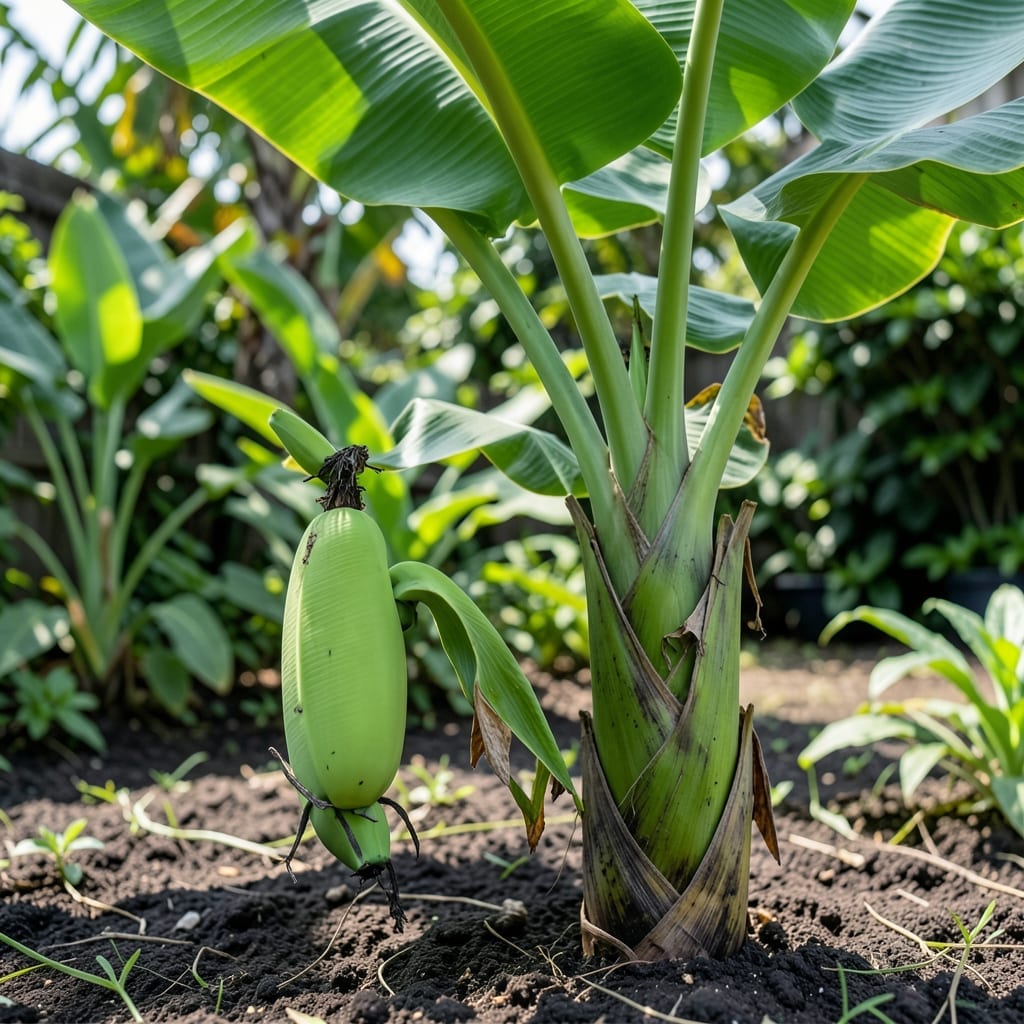
A medium banana (about 7-8 inches long) contains approximately 422 milligrams of potassium, with smaller or larger fruits providing proportionally less or more.
I always recommend bananas as a natural way to boost your daily intake, especially since they’re so convenient. 🔥 The potassium content varies based on ripeness—greener ones tend to have slightly less, while overripe fruit may offer a bit more. This mineral plays a key role in muscle function and heart health, making bananas a smart snack choice.
💡 In This Article
Bananas naturally concentrate potassium because this mineral is essential for their growth. Potassium helps regulate water movement within the plant, which is critical for transporting nutrients from the soil to the fruit. During ripening, starches convert to sugars, and potassium content becomes more bioavailable, making it easier for your body to absorb this vital electrolyte.
🔥
Soil composition dramatically impacts potassium levels in bananas. Plants grown in potassium-rich volcanic soils, like those in Hawaii or Central America, often develop fruits with 10-15% more potassium than those from less fertile ground. Commercial banana farms typically use potassium fertilizer to maintain consistent mineral content in their crops.
The banana’s thick peel acts as a protective barrier that preserves its nutritional value during transport and storage. Unlike some fruits that lose nutrients after picking, bananas continue to develop their potassium content as they ripen off the tree.
A 9-inch banana can contain up to 500mg of potassium, while a small 6-inch one may have around 350mg. ✨
This high potassium concentration isn’t accidental—it’s an evolutionary advantage. In the wild, potassium helps bananas resist disease and pests. For humans, this means each bite delivers a concentrated dose of this essential mineral that supports nerve function and balances fluids in your body.
The fruit’s natural packaging makes it one of nature’s most efficient potassium delivery systems.
Compared to other potassium-rich foods, bananas offer unique advantages. While a medium potato provides about 620mg of potassium, it requires cooking and has a shorter shelf life. Bananas, on the other hand, come ready-to-eat and maintain their nutrient profile for days at room temperature, making them a practical choice for consistent potassium intake. 💫
A 6-inch banana has about 350mg, while a 9-inch one can reach 500mg. The amount scales with size, so larger fruits deliver more.
Ripe bananas have slightly more bioavailable potassium as starches convert to sugars. However, the total amount stays nearly the same—ripeness affects absorption, not content.
Yes! Varieties grown in potassium-rich soils (like Hawaiian bananas) can have 10-15% more. Dwarf types often pack a higher concentration per ounce.
Keep them at room temperature until ripe, then refrigerate. The peel may darken, but the potassium content and flavor stay intact for 3-5 days.
No—cooking (baking, frying) doesn’t destroy potassium. A baked banana retains nearly all its 400-500mg, just like a raw one.