
Beautiful Plants For Your Interior
Beautiful Plants For Your Interior
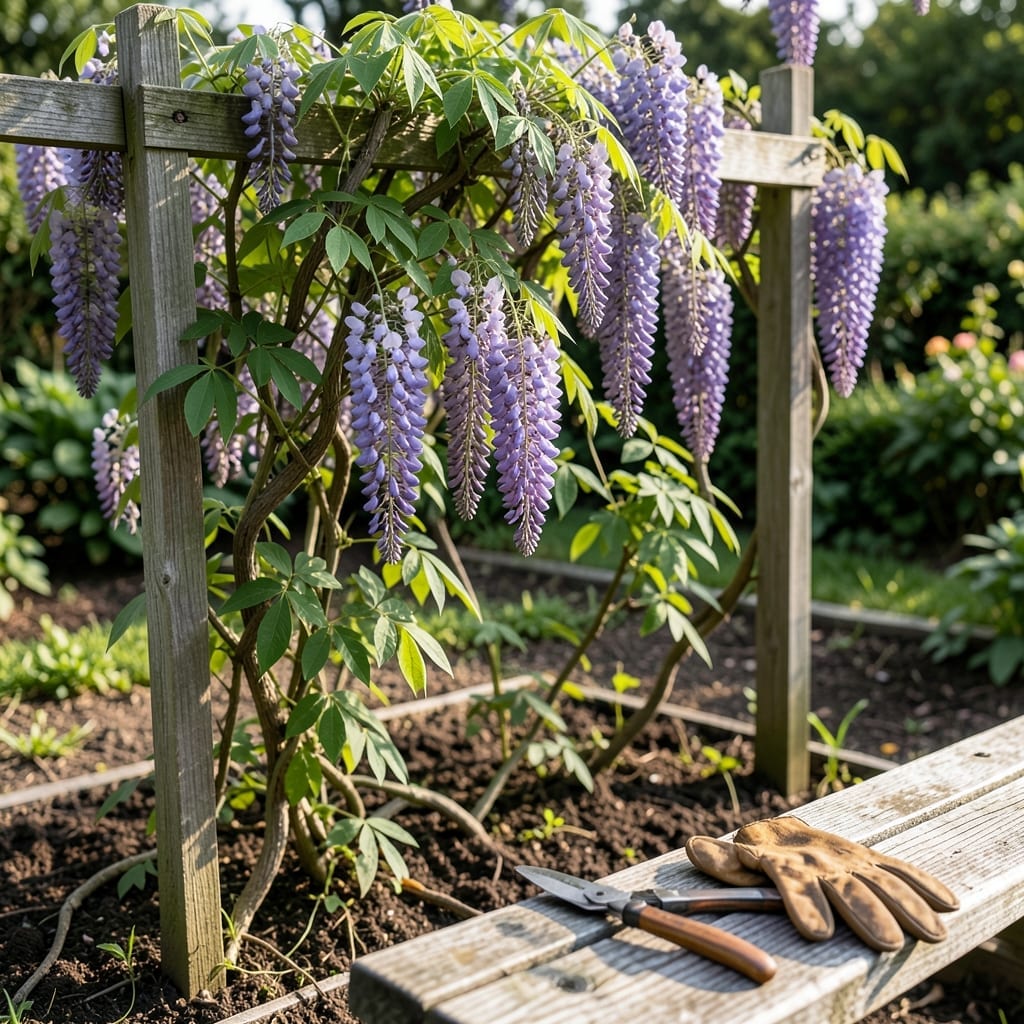
Amethyst Falls wisteria is less aggressive than other wisteria varieties but can still spread uncontrollably if unmanaged. It’s classified as invasive in some regions due to its vigorous growth and potential to overtake native plants.
I’ve found this variety spreads primarily through aggressive root systems and prolific seed production. Its rapid growth can choke out local flora, which is why some areas restrict planting it. Regular pruning and root barriers are essential to keep it in check. ✨
What surprises most gardeners is how quickly it can overtake a space, even in well-maintained yards. I always recommend checking local regulations before planting. 🌟
💡 In This Article
This cultivar’s rapid growth stems from its vigorous vine structure, which can extend 10-15 feet per year under ideal conditions. The plant’s aggressive root system produces numerous suckers that sprout new vines far from the original planting site, creating dense thickets that smother nearby vegetation. 🌟
Seed dispersal plays a major role in its spread. Each mature vine produces hundreds of velvety seed pods that burst open, scattering seeds up to 30 feet away. Birds and small mammals then carry these seeds even farther, enabling the plant to colonize new areas quickly.
The seeds remain viable in soil for years, waiting for ideal germination conditions.
Amethyst Falls wisteria thrives in a wide range of soil types and light conditions, from full sun to partial shade. This adaptability allows it to outcompete native plants for resources like water and nutrients. Its twining growth habit lets it climb and strangle trees, eventually blocking sunlight from reaching the forest floor below. ✨
What makes this variety particularly challenging is its ability to regrow from root fragments. Even small pieces left in the soil during removal attempts can sprout new plants. This resilience, combined with its fast growth rate, makes eradication difficult once established. 💫
The plant’s nitrogen-fixing capability gives it another advantage. It forms symbiotic relationships with soil bacteria that convert atmospheric nitrogen into a form the plant can use, allowing it to grow in poor soils where other plants might struggle.
Under ideal conditions, it can extend 10-15 feet per year. The aggressive root system produces suckers that sprout new vines far from the original plant.
Its adaptability to various soils and light conditions lets it thrive where others struggle. It also forms nitrogen-fixing relationships with soil bacteria, giving it a growth advantage.
Yes, even small pieces left in the soil can sprout new plants. This resilience makes complete eradication difficult once established.
Install root barriers at least 18 inches deep around the planting area. This prevents underground runners from escaping and invading new spaces.