
Beautiful Plants For Your Interior
Beautiful Plants For Your Interior
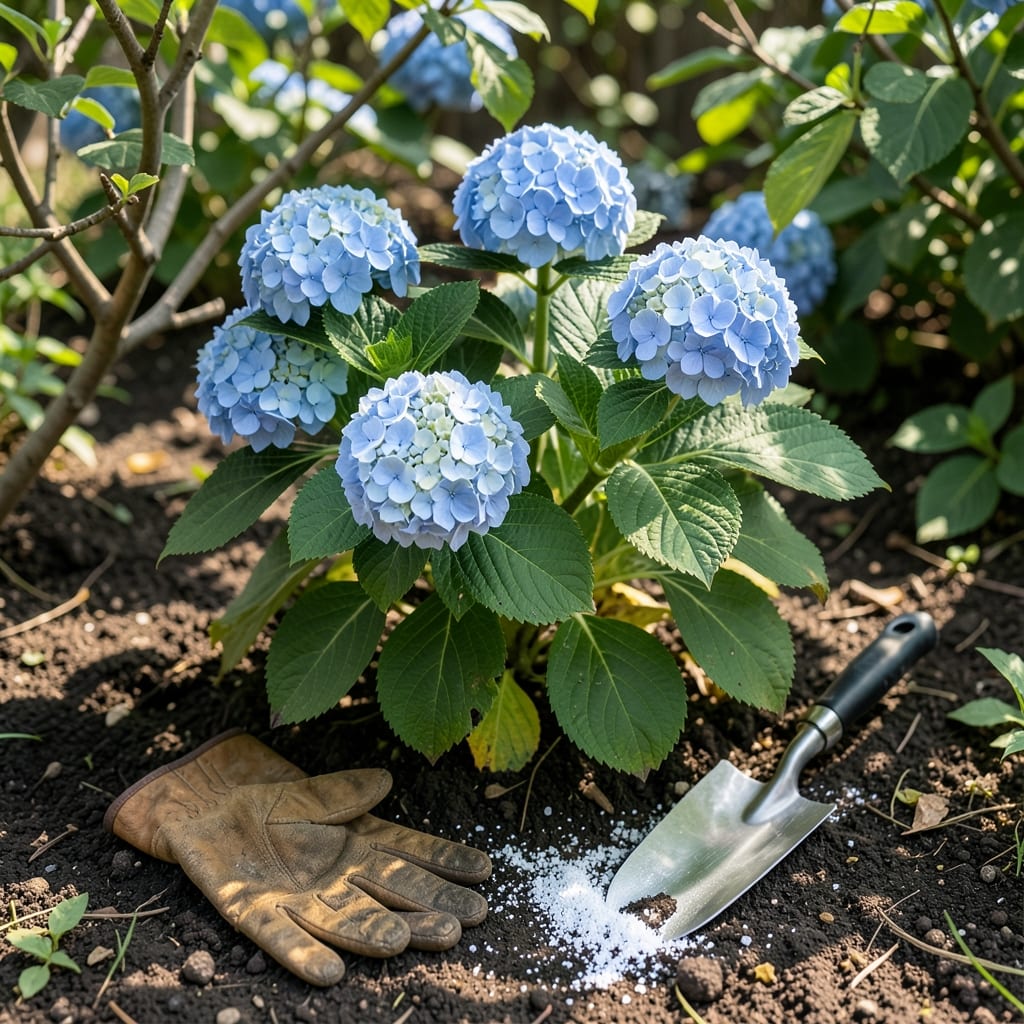
Alum, or potassium aluminum sulfate, can lower soil pH for acid-loving plants like blueberries and hydrangeas, but excessive use may harm roots and disrupt nutrient uptake.
I’ve used alum to help hydrangeas turn that vibrant blue by making soil more acidic. 1 tablespoon per gallon of water works for small areas, but I always test soil first. The key is moderation—too much can lock out essential nutrients like phosphorus. 💫
Its aluminum content is what does the heavy lifting, reacting with soil to create that ideal environment. Acid-loving plants thrive, but I’ve seen sensitive species struggle with over-application.
💡 In This Article
Alum works by releasing aluminum ions that react with water to form aluminum hydroxide and sulfuric acid. This acidifies the soil, lowering pH from neutral (7.0) to acidic (4.5-6.0), which unlocks iron and other micronutrients that acid-loving plants crave.
The aluminum also binds with phosphorus, making it less available to plants not adapted to acidic conditions. 🔥
The sulfuric acid component further enhances acidification by replacing calcium and magnesium ions on soil particles with hydrogen ions. For blueberries, which thrive at pH 4.5-5.5, this creates the perfect growing environment. Hydrangeas respond dramatically—aluminum availability at lower pH turns their flowers from pink to vivid blue. ✨
What sets alum apart is its dual action: it both acidifies and adds aluminum, which some plants like azaleas and rhododendrons need in trace amounts. However, the aluminum can become toxic at pH below 5.0, especially for plants not adapted to acidic soils. This is why soil testing before application is non-negotiable. 💫
In clay soils, alum’s effects last longer because the aluminum ions bind tightly to soil particles. Sandy soils, with their larger particles and lower cation exchange capacity, may require more frequent applications. The chemical reaction also generates small amounts of potassium, which benefits plant growth in tiny doses. ⚡
The process isn’t instant—it takes 2-4 weeks for alum to fully acidify soil, as the chemical needs time to react with soil minerals and water. This gradual change allows plants to adapt without shock. For gardeners, this means planning alum applications well before the growing season begins. 🌟
It takes 2-4 weeks for alum to fully acidify soil. The chemical needs time to react with soil minerals and water. Plan applications well before the growing season begins.
No, alum should only be used for acid-loving plants like blueberries, hydrangeas, and azaleas. It can harm other plants by making the soil too acidic and locking out essential nutrients.
Watch for yellowing leaves, stunted growth, or leaf drop. If these appear, flush the soil with water and test pH again. Never apply more than once every 3-4 months.
Alum is not certified for organic gardening. It’s a synthetic compound that can alter soil chemistry significantly. For organic alternatives, consider elemental sulfur or peat moss.