
Beautiful Plants For Your Interior
Beautiful Plants For Your Interior
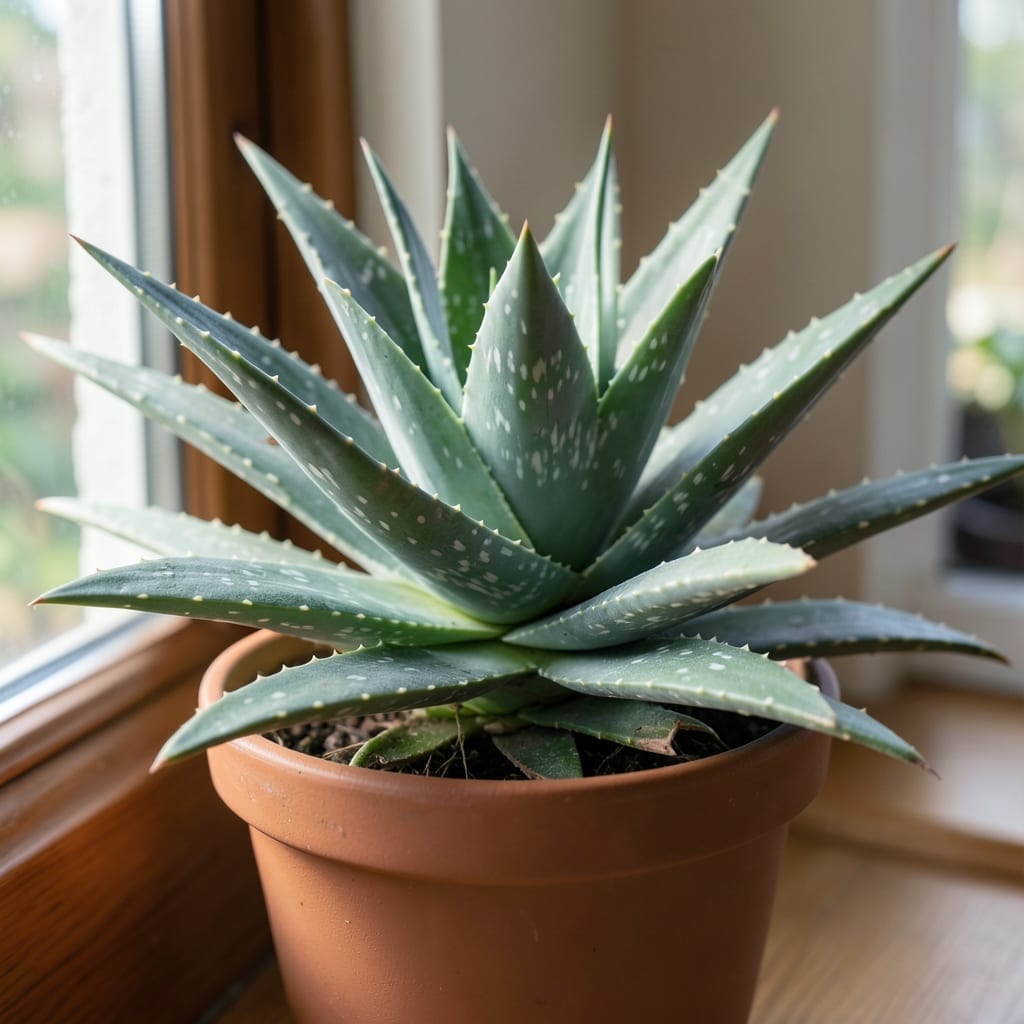
Aloe vera contains latex with aloin compounds that can cause digestive issues, kidney problems, or allergic reactions in sensitive individuals. The gel is generally safe when processed properly.
I discovered that the yellow latex layer just under the plant’s skin holds the highest concentration of these anthraquinones. Even small amounts can trigger unpleasant symptoms in some people. That’s why commercial products typically undergo thorough purification to remove these compounds. 🔥
For home use, I always recommend peeling the aloe leaf completely to access only the clear inner gel, which has been the focus of most safety studies.
💡 In This Article
The yellow latex between the skin and gel contains aloin and other anthraquinones, which are powerful laxatives. These compounds can cause severe cramping, diarrhea, and electrolyte imbalances at doses as low as 50-200 mg. The plant produces them as a natural defense against herbivores.
In the human body, these anthraquinones irritate the intestinal lining, increasing water secretion into the colon. This mechanism explains why aloe latex was historically used in over-the-counter laxatives. However, chronic exposure may lead to kidney damage due to the body’s struggle to process these compounds efficiently.
What’s particularly concerning is that aloin concentrations vary dramatically between aloe species. Aloe arborescens can contain up to 30 times more aloin than Aloe barbadensis miller, the species most commonly cultivated for commercial use. This variability makes proper identification crucial before any consumption.
The gel itself contains minimal toxins when properly extracted. Commercial processing typically involves crushing the whole leaf, then using activated charcoal filtration to remove 99.9% of the anthraquinones. This purification step is what makes store-bought aloe vera gel safe for topical use and consumption. 🔥
Sensitivity varies widely among individuals. While some can consume small amounts of raw gel without issues, others may experience allergic reactions even to processed products. The FDA banned aloe latex in over-the-counter laxatives in 2002 due to insufficient safety data, highlighting the need for caution.
The yellow latex layer just under the skin holds the highest concentration of aloin and other anthraquinones. Always peel this away completely to access only the clear inner gel.
Yes, but only the inner gel after removing all traces of yellow latex. Start with small amounts (1-2 tablespoons) and monitor for reactions. Sensitive individuals may still experience issues.
Look for labels specifying “purified aloe vera gel” or “decolorized aloe”. These indicate the product has undergone processing to remove harmful compounds. Avoid “whole leaf aloe” products.
Pregnant or nursing women, people with kidney issues, and those with known plant allergies should avoid consumption. Topical use may still be safe with a patch test first.
Fresh gel keeps in an airtight container in the refrigerator for 7-10 days. For longer storage, freeze in ice cube trays for up to 3 months.