
Beautiful Plants For Your Interior
Beautiful Plants For Your Interior
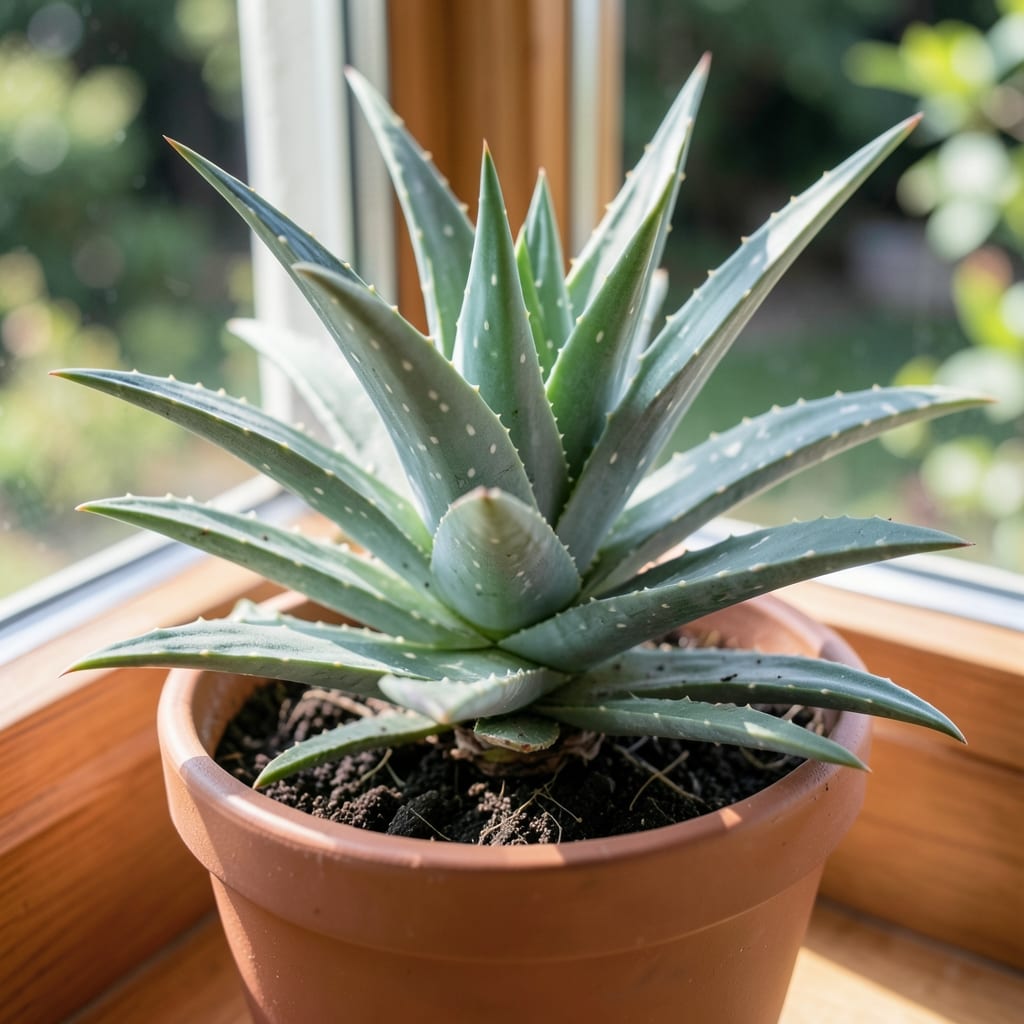
Aloe vera thrives in USDA zones 9-11 outdoors, tolerating temperatures down to 25°F. Below this, it requires indoor protection as frost can damage its succulent leaves.
I’ve seen firsthand how aloe vera’s tropical origins make it sensitive to cold. The high water content in its leaves freezes easily, causing cellular damage. That’s why even a light frost can turn leaves mushy. 🌟
In marginal zones like 8, you might get away with planting it outside during warm months, but any prolonged exposure below 25°F will likely kill it.
💡 In This Article
The tropical origins of aloe vera explain its cold sensitivity. As a native of arid regions, it evolved to store 99% water in its leaves, which freeze at 32°F. When temperatures drop, ice crystals form inside cells, rupturing membranes and causing irreversible damage. 🔥
Visible signs of cold stress appear at 35°F and below. Leaves turn soft and translucent, then darken to a mushy brown. This happens because the gel-filled cells burst, leaking fluid. Unlike desert cacti with thicker cuticles, aloe’s thin skin offers little protection against frost.
USDA zones 9-11 provide the ideal range where winter lows rarely dip below 25°F. In zone 8, even brief cold snaps can be lethal. The plant’s water storage system, perfect for drought survival, becomes its Achilles’ heel in freezing conditions. ✨
Microclimates matter too. A south-facing wall can create a 5-10°F warmer pocket, sometimes enough to save a plant during mild frosts. But sustained freezes will still penetrate this buffer. The key is understanding that aloe’s cold tolerance is biological, not just environmental.
For comparison, hardy succulents like sedum can survive -20°F by storing different compounds. Aloe’s water-rich composition makes it fundamentally different. This is why even “cold-hardy” aloe varieties typically only tolerate down to 20°F briefly. 💫
No, even a light frost will damage aloe vera leaves. Ice crystals form in its water-rich tissues at 32°F, causing permanent cell damage. Move plants indoors before temperatures drop below 40°F to be safe.
Leaves become soft and mushy, turning translucent or dark brown. This happens because the gel-filled cells burst when exposed to temperatures below 35°F. Prune damaged leaves in spring if the roots survive.
Most aloe varieties tolerate only brief dips to 20°F. No true cold-hardy aloe exists for freezing climates. Even “hardy” types need protection in zones below 9. Consider growing in containers for easy winter relocation.
In zone 8, aloe can stay outside from late spring to early fall. Move it indoors before the first frost, typically by mid-October. Use frost cloth for unexpected early cold snaps.