
Beautiful Plants For Your Interior
Beautiful Plants For Your Interior
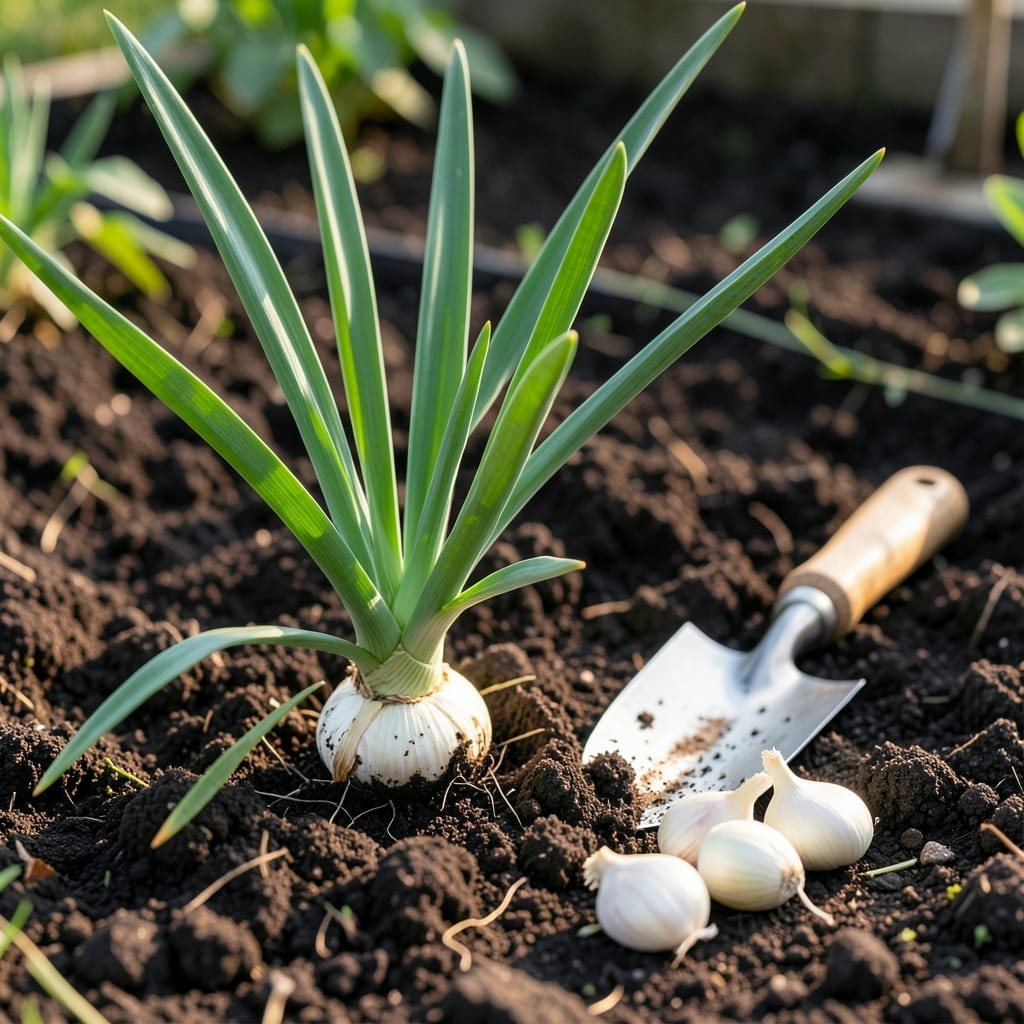
Planting Allium bulbs at the right time is the key to a stunning spring display. Timing is everything with these ornamental onions, and getting it wrong can mean a lackluster bloom season.
I’ve discovered that fall is the most important season for planting 🧄 Allium. The cool soil helps bulbs establish strong roots before winter dormancy.
Discover when to plant for vigorous growth and what seasonal factors to watch. Your garden will thank you with spectacular globe-shaped blooms.

Timing your Allium bulb planting correctly ensures a spectacular spring bloom. These ornamental onions need a cool soil period to establish strong roots before winter dormancy sets in.
In most USDA zones 3-8, the ideal window is fall planting, typically 6-8 weeks before the ground freezes. This timing allows bulbs to develop roots without producing top growth.
| Planting Factor | Ideal Condition |
|---|---|
| Best Months | October-November |
| Soil Temp | Below 60°F |
| Sunlight | Full sun (6+ hours) |
| Soil Type | Well-draining loam |
| Planting Depth | 2-3 times bulb height |
For warmer zones 9-10, you may need to pre-chill bulbs for 8-10 weeks before planting in late fall or early winter. This mimics the cold period they’d naturally receive in cooler climates.
Watch your local frost dates carefully. The bulbs need time to root but shouldn’t be planted so early that they sprout before winter. A soil thermometer can be invaluable for checking conditions.
The early blooming varieties like Allium karataviense should go in first, followed by mid-season types such as Purple Sensation. Save late bloomers like Giganteum for last.
Remember that container-grown Alliums can be planted a bit later since their roots are already established. Just ensure pots are frost-proof or move them to a sheltered spot.
If you’re in a region with mild winters, you might get away with December planting. However, bulbs planted this late may produce weaker stems and smaller blooms the first year.
For the best results, I recommend marking your calendar for mid-October in most areas. This gives bulbs the perfect balance of cool soil and rooting time before winter arrives.
Don’t forget that soil preparation is just as important as timing. Work in plenty of organic matter before planting to ensure good drainage and nutrient availability for your Alliums
Once you’ve determined the perfect planting window, it’s time to prep your soil and bulbs. I always start by loosening the earth to about 12 inches deep, removing any rocks or debris.
Mix in compost or aged manure to improve drainage and fertility. Alliums despise soggy roots, so well-draining soil is non-negotiable for these bulbs.
When planting, place bulbs with the pointy end up and flat side down. This orientation helps them grow properly. For larger varieties like Gladiator, I go 6-8 inches deep, while smaller types need just 4-6 inches.
After planting, water thoroughly to settle the soil and eliminate air pockets. Then add a 2-3 inch layer of mulch to insulate the bulbs and retain moisture during the rooting period.
In colder zones, consider adding an extra thick mulch layer or burlap cover after the ground freezes. This protects against freeze-thaw cycles that can heave bulbs out of the soil.
Remember that consistent moisture is key during the first few weeks after planting. However, reduce watering as winter approaches to prevent rot. Your Alliums will reward you with spectacular blooms come spring
Finally, mark your planting spots with stakes or labels. This prevents accidental disturbance during spring gardening and helps you track which varieties you’ve planted where