
Beautiful Plants For Your Interior
Beautiful Plants For Your Interior
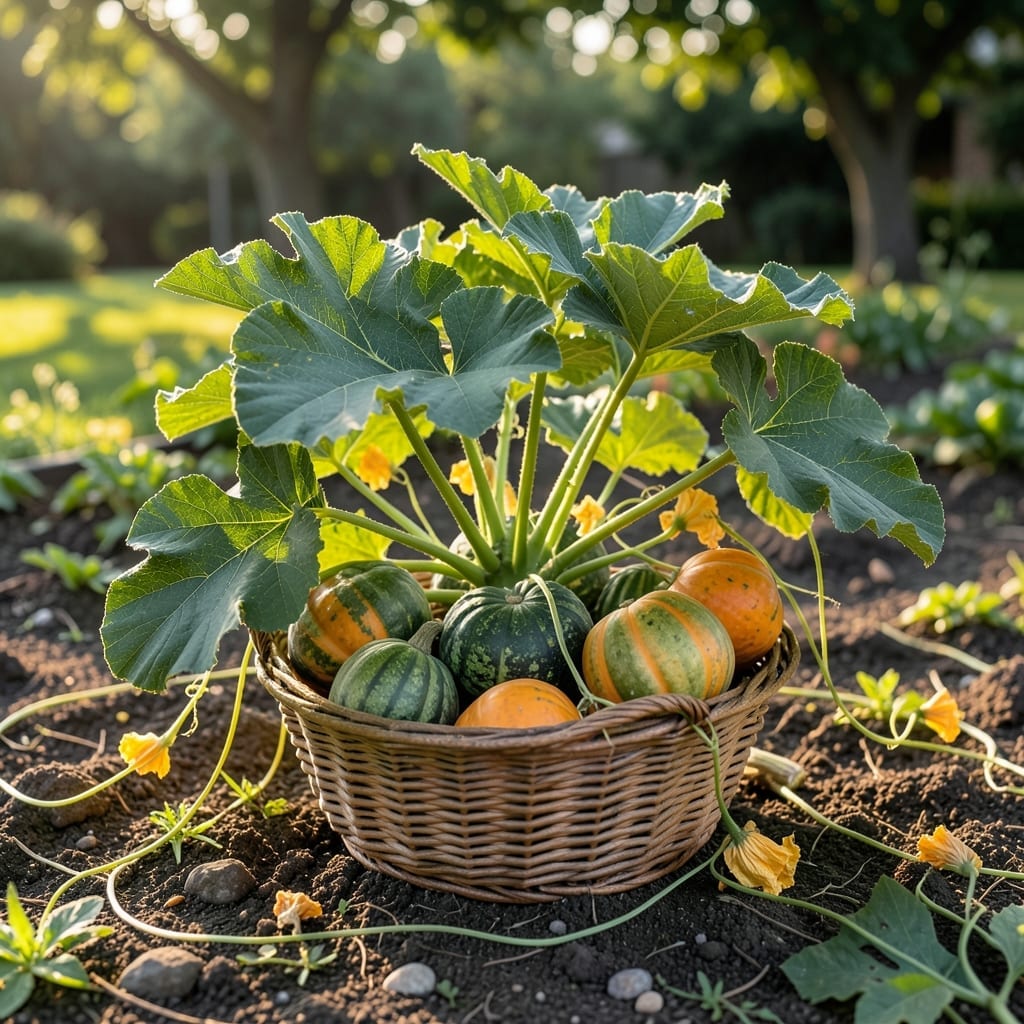
There’s something magical about pulling a perfectly sized 🎃 Acorn Squash from your garden. Getting the dimensions right means the difference between a lackluster harvest and one that bursts with flavor.
I’ve learned through experience that timing and care directly impact how your squash develops. The right approach ensures each fruit reaches its full potential without growing too large or staying too small.
From the moment you plant in 6a zone soil to harvest time, every decision matters. Proper spacing, consistent watering, and the right nutrients create the ideal conditions for growth.
Discover how to cultivate Acorn Squash that hits the sweet spot in size every time. These simple techniques will transform your gardening results and have you enjoying the perfect harvest year after year.


When I grow acorn squash in my garden, I aim for that classic ribbed shape and deep green rind. A mature fruit typically measures 4-7 inches in diameter and weighs 1-3 pounds. These dimensions signal it’s ready for harvest and storage.
The vines themselves can spread 4-6 feet in all directions, so I always give them plenty of space to sprawl. Proper spacing ensures each squash develops to its full potential size without competition.
| Aspect | Specification |
|---|---|
| Fruit Diameter | 4-7 inches |
| Fruit Weight | 1-3 pounds |
| Vine Spread | 4-6 feet |
| Plant Height | 1-2 feet |
| Days to Maturity | 75-100 days |
The growth stages of acorn squash are fascinating to observe. From germination to harvest, I watch the vines stretch and flowers bloom before the fruits begin to form. Each stage contributes to the final squash size I expect.
I’ve noticed that early varieties like Sweet REBA tend to produce smaller fruits, around 1-1.5 pounds, while standard varieties like Table Queen reach the upper end of the size range. Choosing the right variety helps me control the outcome.
The color change is another indicator I rely on. As the squash matures, the rind transitions from light green to deep green or orange, depending on the variety. This visual cue, combined with size, tells me it’s time to pick.
I always check the stem condition too. A dry, brown stem is a sure sign of maturity. If the stem is still green, I know the squash needs more time to reach its ideal size and texture.
For the best results, I ensure my acorn squash plants receive full sun and consistent watering. These conditions support steady growth and help each fruit achieve its maximum size potential without stress.
The ribs on the squash become more pronounced as it grows. When they’re deep and well-defined, I know the squash has reached its mature size. This is one of my favorite visual signs to watch for in the garden.
I also pay attention to the days to maturity listed on the seed packet. Most acorn squash varieties take 75-100 days from planting to harvest. Tracking this timeline helps me anticipate when to start checking for proper sizing.
By understanding these growth expectations, I can confidently cultivate acorn squash that reaches the perfect size every time. It’s rewarding to see the fruits develop just as expected, ready for a bountiful harvest. 🌱
I always keep a measuring tape handy in my garden toolkit for checking acorn squash size. The most accurate way is to measure the diameter at its widest point across the ribs. This gives me the clearest indication of maturity.
For a quick check, I use my hands as a rough guide. A mature squash should fit comfortably in one hand with some space to spare. If it’s too big for my palm, I know it might be overgrowing its ideal harvest size.
🌱 Pro Tip:
Use a soft measuring tape to avoid damaging the delicate squash skin. Measure weekly once fruits form to track growth progress toward the 4-7 inch ideal range.
I also pay attention to the weight of the squash. When it feels heavy for its size and the rind resists gentle pressure, it’s likely reached the 1-3 pound sweet spot. This tactile test complements my size measurements.
The stem connection is another area I examine closely. When the stem begins to dry and turn brown at the fruit’s base, it’s a strong indicator that the squash has reached its mature size and is ready for harvest.
I make it a habit to check my squash every 2-3 days as they approach maturity. This frequent monitoring helps me catch the perfect moment when they hit that ideal size range without missing the window.
For varieties I’m less familiar with, I reference the seed packet information. It often provides specific size ranges that help me know exactly what to expect from that particular acorn squash cultivar.
By combining these measurement techniques, I can confidently harvest each squash at its peak. This attention to detail ensures every fruit from my garden is the perfect acorn squash size for storage and use. 🌿