
Beautiful Plants For Your Interior
Beautiful Plants For Your Interior
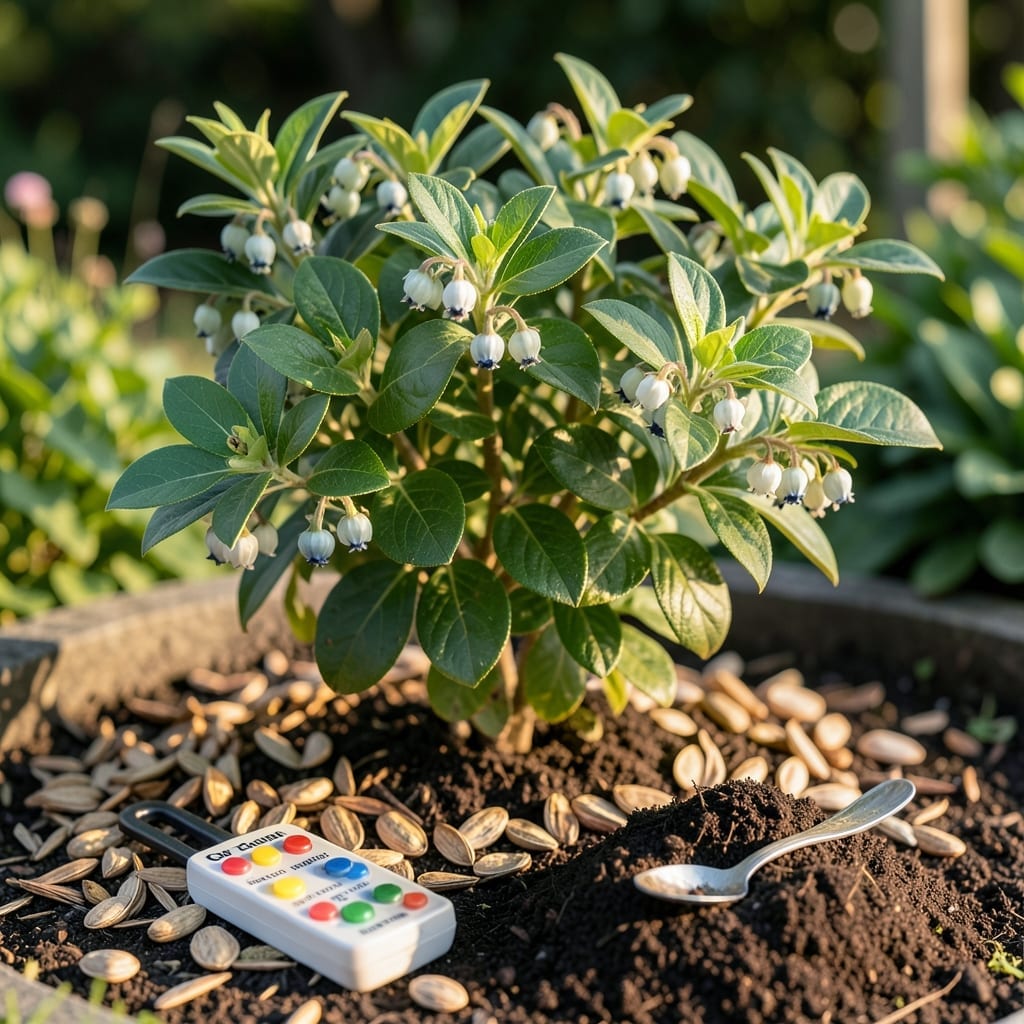
That first blueberry bush I planted wilted in a week. Turns out, it needed acidic soil to unlock the nutrients it craves—something my neutral garden soil couldn’t provide.
Acid-loving plants like azaleas, rhododendrons, and blueberries thrive when the pH drops below 7.0, letting them absorb iron and other essential minerals. Without it, leaves yellow and growth stalls, no matter how much you water or fertilize.
Testing your soil is simple: a $10 kit from any garden center gives you the numbers in minutes. Amending it is even easier—just work in sulfur, peat moss, or pine needles to tip the balance.
Once you nail the conditions, these plants reward you with vibrant blooms and bumper harvests. The transformation is surprising.
Soil acidity isn’t random—it’s the result of natural and human-driven processes that alter its chemical balance. Here’s why your garden soil might be leaning acidic:
Heavy rainfall washes away basic minerals like calcium and magnesium, leaving behind hydrogen ions that increase acidity. This is especially common in regions with high precipitation, where water continuously strips the soil of its neutralizing agents.
As leaves, needles, and other plant debris break down, they release organic acids (like tannins and humic acids). Pine needles and oak leaves are notorious for this, as their decomposition byproducts directly lower pH levels over time.
Certain bedrock minerals, such as granite or sandstone, naturally weather into acidic components. When these minerals dissolve, they release hydrogen ions, gradually acidifying the surrounding soil. This is a slow but persistent process in areas with these rock types.
Ammonium-based fertilizers (e.g., ammonium sulfate) and sulfur-coated products can temporarily lower pH as they break down. Overuse or poor timing of these inputs accelerates acidification, disrupting the soil’s natural balance.
Some plants, like blueberries or azaleas, actively excrete protons (H+ ions) through their roots to access nutrients like iron and phosphorus. This root-induced acidification is a survival tactic for acid-loving species but can shift the soil pH over time.
If your soil is too acidic for your plants, don’t worry—there are simple, effective ways to balance it. Below are targeted solutions for common causes, along with prevention tips to keep your soil in optimal condition.
Fix: Add garden lime (calcium carbonate) to neutralize acidity. Test your soil first, then apply lime as directed (usually 5-10 lbs per 100 sq ft). Work it into the top 6 inches of soil for best results.
Prevention: Avoid overloading soil with acid-rich compost (like pine needles or oak leaves). Balance with neutral or alkaline amendments like crushed eggshells.
Fix: Use wood ash (from untreated wood) to raise pH. Sprinkle lightly (1-2 cups per sq ft) and mix into the soil. Avoid overapplying—too much can make soil too alkaline.
Prevention: Improve drainage with raised beds or organic mulch to reduce waterlogging, which leaches calcium and magnesium.
Fix: Rotate crops or plant cover crops like clover, which naturally fix nitrogen and help balance pH. For existing plants, apply dolomitic lime (rich in magnesium) to counteract acidity.
Prevention: Test soil annually and alternate acid-loving plants (e.g., blueberries) with neutral or alkaline-tolerant varieties.
Fix: Flush the soil with water to remove excess salts, then add compost or well-rotted manure to restore balance. Avoid high-nitrogen synthetic fertilizers temporarily.
Prevention: Use organic fertilizers (like fish emulsion) and follow package instructions to prevent over-application.
💡 Pro Tip: Always test soil pH before and after treatment—aim for 6.0-7.0 for most plants (5.0-6.0 for acid-lovers like azaleas).
Use a home testing kit from any garden center for quick results in minutes. For more accuracy, send a sample to your local extension office. They provide detailed analysis for a small fee.
Blueberries, azaleas, and rhododendrons love acidic soil with a pH of 5.0-6.0. Hydrangeas also flourish, and their flower color changes based on soil acidity—bluer in more acidic conditions.
Test your soil every 1-2 years and amend as needed. Acid-loving plants may require annual adjustments, while others might need less frequent attention. Always retest after amending.
While vinegar is acidic, it’s too strong for direct soil application and can harm plants. Instead, use natural amendments like sulfur or peat moss for gradual, safe pH adjustments.