
Beautiful Plants For Your Interior
Beautiful Plants For Your Interior
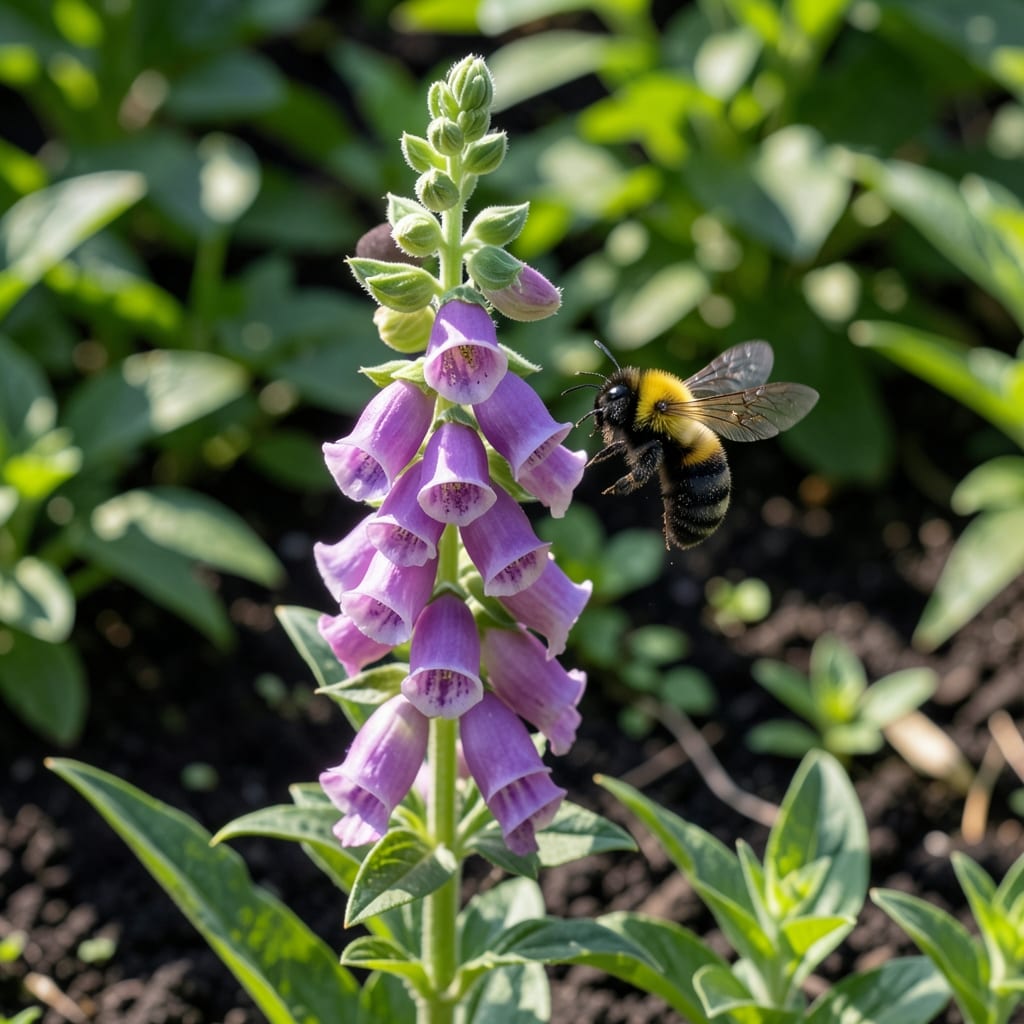
A bumblebee picture typically shows a robust, fuzzy insect with black and yellow stripes, a rounded body, and transparent wings, often hovering near flowers or nesting in grassy areas.
What I love about these insects is their signature fuzzy coating, which helps them pollinate in cooler temperatures when other bees stay dormant. 💛 Their stout bodies and slower flight patterns make them easy to spot in gardens, especially when they’re collecting nectar. The contrast between their bold stripes and delicate wings creates striking visuals in any photo.
💡 In This Article
The dense, velvety pile covering a bumblebee’s body isn’t just for show—it’s a thermal adaptation. This fuzzy coating traps heat, allowing them to fly in temperatures as low as 40°F, while honeybees need 50-55°F to become active. The hairs also create static electricity that helps pollen stick during collection. 🔥
Bumblebee color patterns follow specific regional variations. In North America, the classic black-and-yellow striped Bombus impatiens has a 1/2 to 1-inch body length, while the Bombus terrestris in Europe may reach 1.2 inches. Their wings beat at 200 times per second, creating the distinctive buzz that gives them their name. ✨
What distinguishes bumblebees from other bees in photos is their proportionally larger size and rounder shape. Unlike wasps with their cinched waists, bumblebees have a uniformly robust thorax and abdomen. Their wings appear darker and more veined than honeybee wings, which look nearly translucent in sunlight. 💫
Their flight pattern is another telltale sign. Bumblebees fly in a characteristic “bumbling” motion—slower and lower to the ground than honeybees. This makes them easier to photograph mid-air. You’ll often see them “belly-flopping” onto flowers to access nectar, a behavior called buzz pollination that’s unique to certain bumblebee species. 🌟
Color intensity varies by age and gender. Male bumblebees often have more yellow and fewer black segments, while queens tend to be larger with more pronounced striping. The fuzz appears most vibrant in spring and early summer, then fades slightly as the season progresses and the hairs wear down from constant use. ⚡
Their dense hair coating is a thermal adaptation that helps them fly in cooler temperatures. This fuzzy pile also creates static electricity to capture pollen more effectively.
Bumblebees are rounder and larger with more pronounced black-and-yellow stripes. Their wings appear darker and more veined than the nearly translucent wings of honeybees.
Early morning is ideal when cooler temperatures make them slower. This gives you more time to compose shots before they warm up and become more active.
Males often have more yellow and fewer black segments, while queens are larger with more distinct striping. The color intensity also varies by age and season.