
Beautiful Plants For Your Interior
Beautiful Plants For Your Interior
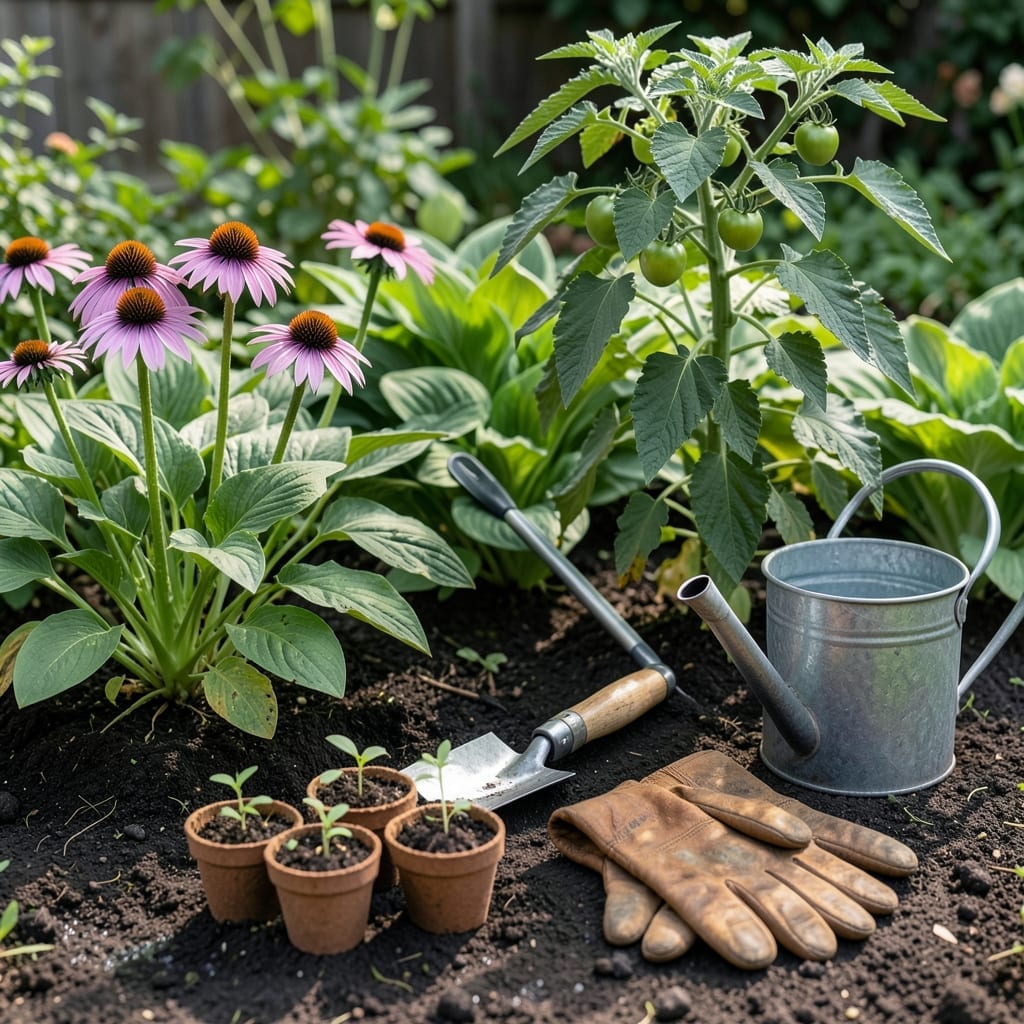
Zone 7a offers gardeners a unique opportunity to grow a diverse array of plants, thanks to its mild winters and warm summers. But knowing exactly when and what to plant can make or break your garden’s success.
I’ve spent seasons refining the perfect approach for this climate, and the timing truly makes all the difference. Whether you’re planting vegetables, flowers, or perennials, aligning your efforts with the region’s frost dates and temperature patterns is the key.
This guide will walk you through the best plants for 7a, along with a month-by-month schedule to keep your garden thriving. No more guessing—just clear, actionable advice tailored to your zone.
Discover how to maximize your growing season and avoid common mistakes that even experienced gardeners make. Let’s dig in.


Zone 7A gardening offers a fantastic climate for growing a wide variety of plants. With mild winters and hot summers, you can cultivate everything from cool-season veggies to heat-loving flowers. I’ve found that timing is everything in this zone.
The key is understanding your last frost date—typically around April 15—and planning around it. Cold-hardy crops like kale and spinach thrive in early spring, while tomatoes and peppers prefer the warmth of late spring and summer.
| Variety | Best Planting Time | Notes |
|---|---|---|
| Tomatoes | Late April | Plant after last frost; needs full sun |
| Lettuce | March or September | Cool-season crop; avoid summer heat |
| Marigolds | April-May | Drought-tolerant; great for pest control |
| Broccoli | February or August | Prefers cool weather; harvest before bolts |
For perennial flowers, I recommend coneflowers and black-eyed Susans. These hardy plants establish deep roots and return year after year with minimal care. They also attract pollinators like bees and butterflies to your garden.
Herbs like basil, rosemary, and thyme do exceptionally well in Zone 7A. Basil loves the heat and can be planted after the last frost, while rosemary and thyme are drought-resistant once established.
If you’re into vegetable gardening, don’t overlook green beans and cucumbers. Both are easy to grow and produce abundant harvests. Green beans can be directly sown in the soil in late April, while cucumbers prefer slightly warmer soil.
For those who love colorful blooms, zinnias and sunflowers are excellent choices. Zinnias are low-maintenance and bloom all summer, while sunflowers can grow tall and provide a stunning backdrop for your garden. Plant them in well-draining soil with plenty of sun.
I always remind fellow gardeners to consider soil health. In Zone 7A, our clay-heavy soils can benefit from organic compost and mulch. This improves drainage and provides essential nutrients for your plants.
Finally, don’t forget about succession planting. By staggering your plantings every few weeks, you can enjoy a continuous harvest of crops like lettuce, radishes, and bush beans throughout the growing season.☀️
With the right plants and timing, your Zone 7A garden can be productive and beautiful year-round. I’ve seen firsthand how a well-planned garden in this zone can yield bountiful harvests and vibrant landscapes. 🌱
In Zone 7A, timing is everything. I’ve found that starting cold-hardy seeds indoors in late February gives them a head start before the last frost around April 15. This is crucial for slow growers like tomatoes and peppers. ☀️
Once the soil warms in early April, I direct sow cool-season crops like lettuce, spinach, and carrots. These thrive in the mild temperatures before summer heat kicks in. Don’t forget to harden off your seedlings before transplanting! 🌱
By May, the soil is warm enough for heat-loving plants like beans, cucumbers, and squash. I always
As summer peaks, I focus on pest management and disease prevention. Companion planting can help deter pests naturally. For example, marigolds repel nematodes, and basil keeps mosquitoes away. ✂️
In early September, I plant fall crops like kale, broccoli, and Brussels sprouts. These can handle light frosts and often taste sweeter after a cold snap. It’s a great way to extend your growing season. 🌿
Finally, as October approaches, I harvest the last of my warm-season crops and prepare the garden for winter. Adding a layer of compost in the fall enriches the soil for next year’s planting. It’s a cycle that keeps my garden thriving year after year.