
Beautiful Plants For Your Interior
Beautiful Plants For Your Interior
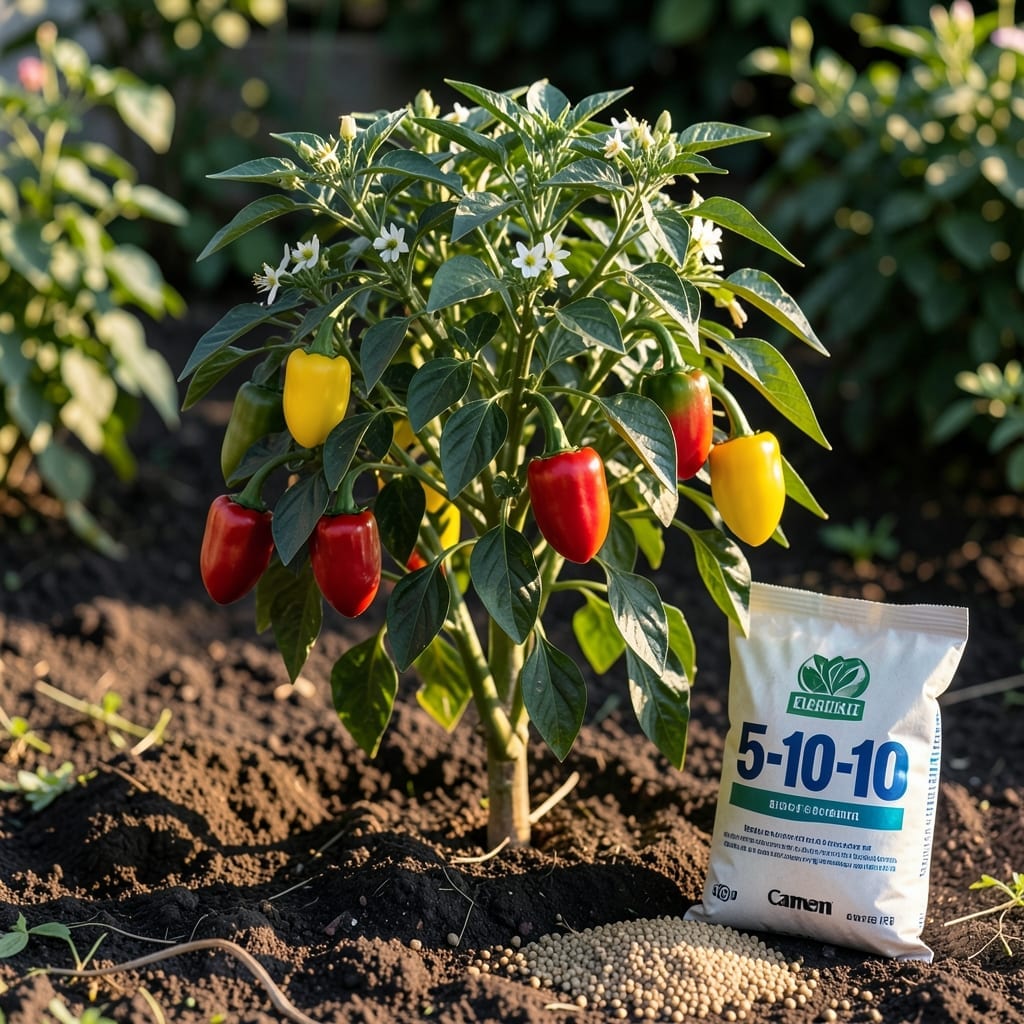
I remember the first time I saw my 🌶️ Pepper plants truly thrive – it was after switching to the right nutrient balance. Getting the formula right can transform your garden from struggling to spectacular.
That perfect blend of nitrogen, phosphorus, and potassium makes all the difference for vibrant foliage and abundant fruit. I’ll share how this simple change can boost your Pepper harvest significantly.
Discover the easy way to give your plants exactly what they need, when they need it most. Your best Pepper season starts here.
I’ve found that 5-10-10 fertilizer is the sweet spot for pepper plants because it matches their nutritional needs perfectly. The balanced ratio provides just enough nitrogen for leafy growth without sacrificing the phosphorus and potassium crucial for flowering and fruiting.
Peppers are heavy feeders during their growing season, and this formula delivers. The 5% nitrogen promotes healthy foliage, while the 10% phosphorus encourages strong root development and abundant blooms. That extra 10% potassium boosts fruit quality and disease resistance.
| Nutrient | Purpose | Pepper Benefit |
|---|---|---|
| Nitrogen (5%) | Leaf growth | Vibrant foliage production |
| Phosphorus (10%) | Root & flower development | Strong roots, more blooms |
| Potassium (10%) | Fruit quality & disease resistance | Bigger, healthier peppers |
The beauty of 5-10-10 fertilizer is its versatility. I use it for both bell peppers and hot varieties with equal success. The slightly higher phosphorus content is perfect for the flowering stage, when peppers need that extra push to set fruit.
I notice my plants respond especially well when I apply this fertilizer at the right growth stages. Early in the season, the nitrogen helps establish a strong leafy structure. As the plants mature, the phosphorus and potassium take over to support the heavy work of producing peppers.
What I love most is how this formula prevents the common problem of all leaves, no peppers. Many gardeners overdo the nitrogen, resulting in lush plants that never fruit. With 5-10-10, you get the perfect balance for both growth and production.
For best results, I combine this fertilizer with proper watering and sunlight exposure. Peppers need consistent moisture and at least 6-8 hours of sun daily to make the most of these nutrients. The fertilizer works best when the plants’ basic needs are already met.
I’ve experimented with different ratios, but keep coming back to 5-10-10. It’s the Goldilocks of pepper fertilizers – not too much of any one nutrient, but just enough of each to support all growth stages. My plants always seem happier and more productive with this mix.
Remember that soil quality matters too. I always test my soil before applying any fertilizer. If your soil is already high in one nutrient, you might need to adjust your approach. But for most garden soils, 5-10-10 provides an excellent foundation.
This fertilizer ratio is particularly effective for peppers because it mirrors their natural nutritional needs. As a fruit-bearing plant, peppers require more phosphorus and potassium than leafy vegetables, and the 5-10-10 formula delivers exactly that.
🌿I always start with 5-10-10 fertilizer at planting time, mixing it into the soil before setting out my pepper seedlings. This gives the roots immediate access to essential nutrients as they establish.
For established plants, I apply every 4-6 weeks throughout the growing season. The key is consistency – peppers are heavy feeders and respond well to regular, moderate feeding rather than occasional heavy doses.
I prefer granular fertilizer for its ease of use. I sprinkle it around the drip line of each plant, then water thoroughly to help it dissolve into the soil. This method prevents root burn while ensuring deep penetration.
For liquid fertilizer, I dilute it to half strength and apply every 2-3 weeks. This works well for container-grown peppers, as nutrients can wash out more quickly from pots.
Always water your plants before and after applying fertilizer. This prevents root shock and helps distribute nutrients evenly. I’ve found that early morning applications work best, giving the plants time to absorb the nutrients before the heat of the day.
Remember that less is more with fertilizer. Over-application can lead to salt buildup in the soil, which actually harms your plants. When in doubt, use slightly less than the package recommends – your peppers will thank you with bountiful harvests.
🌿