
Beautiful Plants For Your Interior
Beautiful Plants For Your Interior
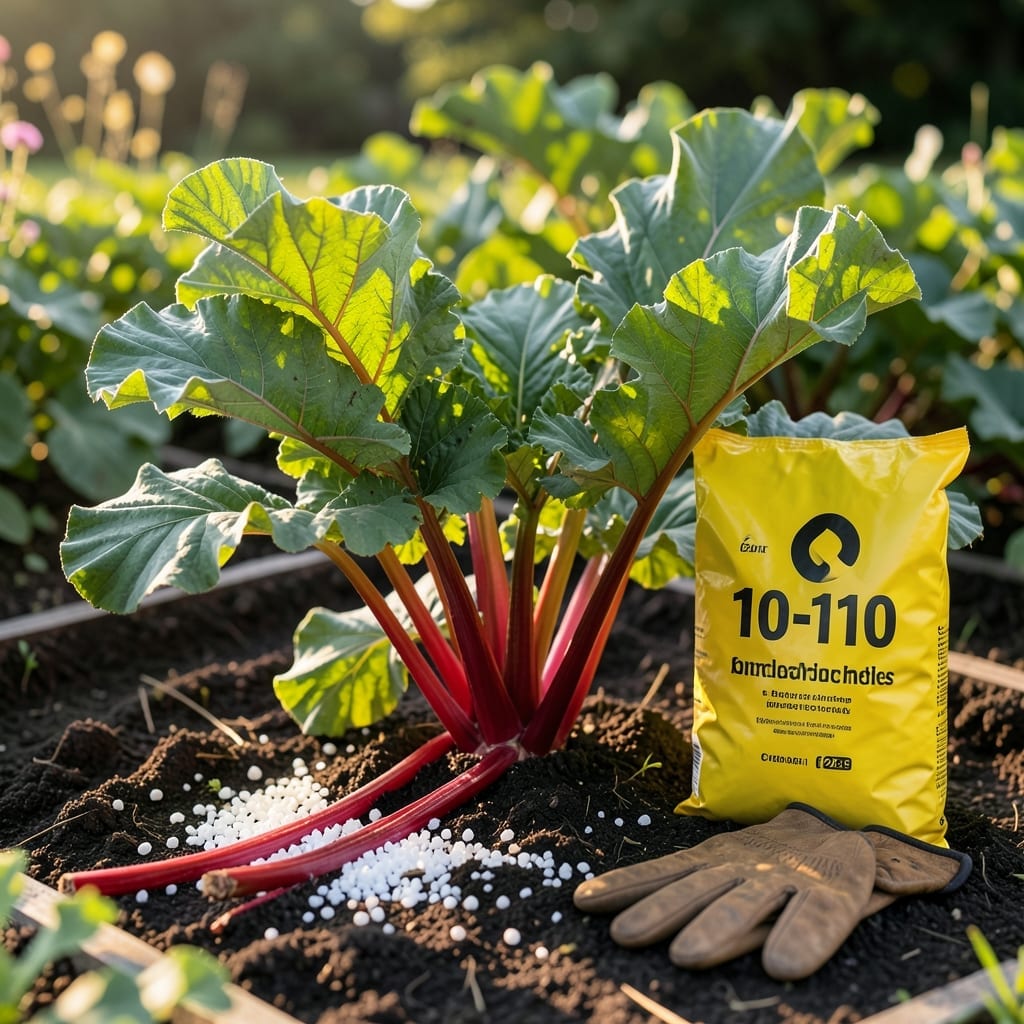
Using 10-10-10 fertilizer for your 🌱 Rhubarb can be a game-changer, but only if you do it right. This balanced blend offers equal parts nitrogen, phosphorus, and potassium, which sounds perfect—until you realize timing and method are everything.
I’ve seen too many gardeners accidentally harm their plants by overdoing it. The key is knowing exactly when and how to apply it to boost growth without burning your crop.
Discover how to use this fertilizer effectively, from application rates to the best times of year, so your Rhubarb thrives from planting to harvest.
Applying 10-10-10 fertilizer to your rhubarb plants starts with understanding their needs. This balanced fertilizer provides equal parts nitrogen, phosphorus, and potassium, which supports both leafy growth and root development for rhubarb. 🌱
I always recommend applying in early spring, just as new growth emerges. This timing gives your plants the nutrients they need at the start of the growing season. Avoid late fall applications, as they can encourage tender growth that winter may damage.
The application rate matters more than you might think. For established rhubarb plants, I use about 1 cup of 10-10-10 fertilizer per plant. Sprinkle it in a ring around the base, keeping it a few inches away from the stems to prevent burning.
Granular fertilizer works best for rhubarb because it releases nutrients slowly. If you prefer liquid, dilute it to half strength to avoid shocking the plants. Always water thoroughly after applying to help the nutrients reach the root zone. 💧
Early morning is the ideal time to fertilize. This allows the plants to absorb nutrients before the heat of the day. It also reduces the risk of fertilizer burn, which can occur if applied during hot, dry conditions.
Remember that rhubarb is a heavy feeder, but it doesn’t need constant feeding. I’ve found that two applications per growing season—one in early spring and another in early summer—work perfectly for most gardens.
If your soil is particularly poor, you might consider a light mid-summer application. However, avoid fertilizing after July, as this can interfere with the plant’s natural dormancy process as it prepares for winter.
For the best results, combine your 10-10-10 fertilizer with organic matter. I always work in some well-rotted compost before planting, which improves soil structure and provides additional nutrients. ✂️
Monitor your plants after fertilizing. Healthy rhubarb should show vigorous growth with deep green leaves. If you notice yellowing or leaf burn, you may have overdone it—flush the soil with water to dilute the fertilizer concentration.
While 10-10-10 fertilizer offers a quick nutrient boost for rhubarb, many gardeners wonder how it compares to organic options. Synthetic fertilizers provide immediate nutrients but lack the soil-improving benefits of organic matter. 🌱
I’ve used both methods in my garden, and each has its place. 10-10-10 gives precise nutrient control, while organic alternatives like compost or well-rotted manure improve soil health over time.
| Option | Nutrient Release | Soil Impact | Best For |
|---|---|---|---|
| 10-10-10 Fertilizer | Immediate | No improvement | Quick boost |
| Compost | Slow | Improves structure | Soil health |
| Bone Meal | Gradual | Adds phosphorus | Root growth |
Compost is my top organic choice for rhubarb. It provides a slow-release of nutrients while improving soil structure and moisture retention. I work in a 2-3 inch layer around plants each spring. ✂️
Manure is another excellent option, but it must be well-aged to avoid burning plants. I prefer cow or horse manure, applied in fall so it has time to break down before the growing season.
For gardeners who want both immediate and long-term benefits, I recommend a combination approach. Use 10-10-10 for a quick spring boost, then follow up with compost or manure to maintain soil fertility throughout the season.
Remember that rhubarb is a heavy feeder, so it benefits from regular organic matter additions. Even if you use synthetic fertilizer, top-dressing with compost annually will keep your soil in top condition for years of productive harvests. 💧