
Beautiful Plants For Your Interior
Beautiful Plants For Your Interior
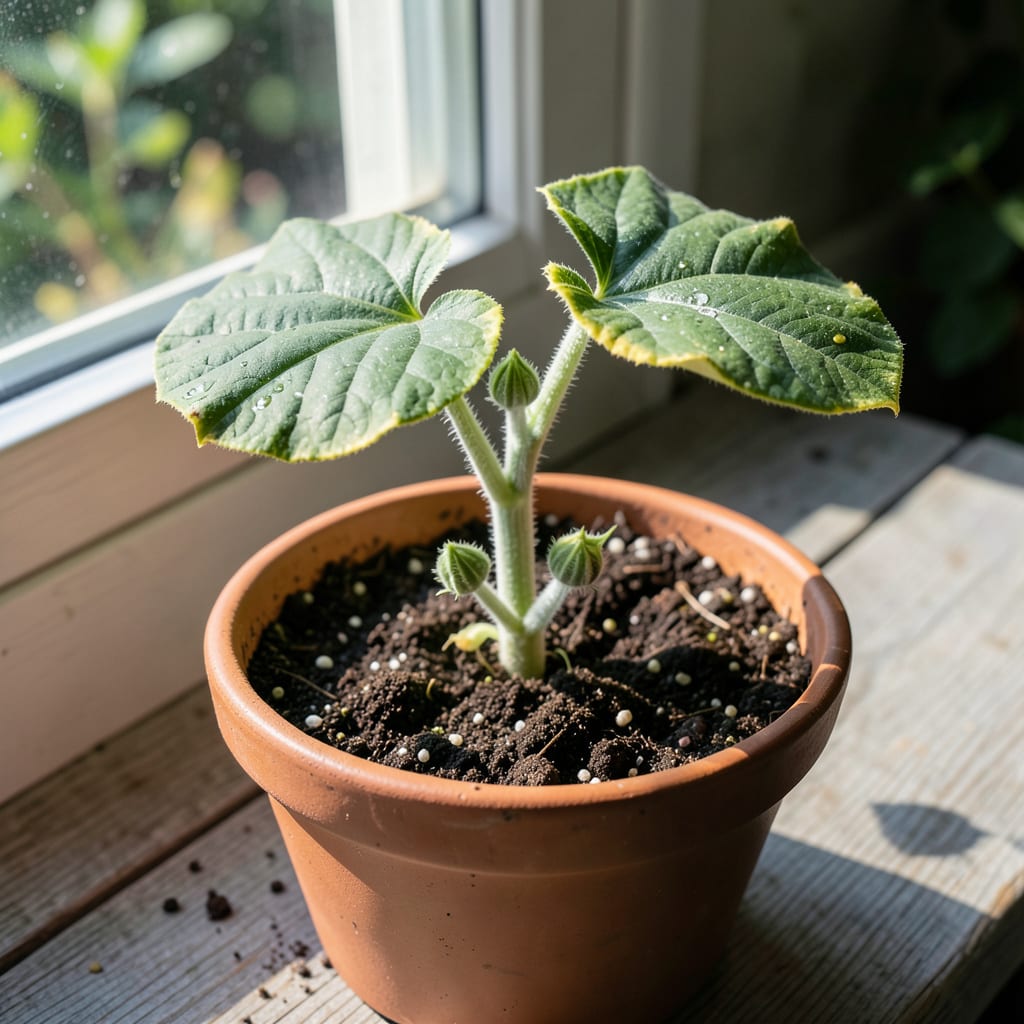
Yellow leaves on zucchini seedlings scream for attention. I’ve seen this exact problem wipe out entire starts in 48 hours if ignored, but the fix is usually simpler than you’d think.
Most cases trace back to three culprits: too much water, not enough nitrogen, or hungry pests. The good news? You can diagnose which one it is with a quick soil check and leaf inspection.
Once you pinpoint the issue, solutions work fast. Adjusting water, adding a light fertilizer, or a quick pest treatment can turn those sad yellow leaves green again within days.
Prevention is even easier. Start with well-draining soil, monitor moisture, and keep an eye out early. Catch it now, and your seedlings will thank you with strong growth.
Yellowing leaves on zucchini seedlings often signal underlying issues that disrupt chlorophyll production or nutrient uptake. Below are the most frequent culprits, explained with actionable insights.
Excess moisture suffocates roots, reducing oxygen uptake and hindering nutrient absorption. This triggers chlorosis (yellowing) as the plant struggles to synthesize chlorophyll. Check soil moisture 1–2 inches deep—if it’s soggy, reduce watering and ensure pots have drainage holes.
Nitrogen, magnesium, or iron shortages manifest as yellow leaves. Nitrogen deficiency causes uniform yellowing (older leaves first), while magnesium lack creates interveinal yellowing (green veins). Iron deficiency affects new growth. Test soil pH (ideal: 6.0–6.8) and amend with compost or targeted fertilizers.
Cold snaps (<50°F) or heatwaves (>90°F) disrupt metabolic processes. Zucchini prefers 70–85°F. Use row covers for cold nights or shade cloth for heat. Sudden temperature swings can also shock seedlings, so harden them off gradually before transplanting.
Sap-sucking pests like aphids or spider mites drain nutrients, causing yellow stippling or mottling. Inspect leaf undersides for tiny insects or webbing. Treat with neem oil or insecticidal soap at first signs.
Pathogens like Fusarium or Alternaria block water/nutrient flow, leading to yellow patches. Avoid overhead watering and space plants for airflow. Remove infected leaves immediately to prevent spread.
Yellowing leaves on zucchini seedlings can often be reversed with quick, targeted action. Below are practical fixes for the most common causes, along with prevention tips to keep your plants thriving.
Fix: Let the soil dry out slightly between waterings. Ensure your containers or garden beds have drainage holes. If the soil is waterlogged, gently loosen it with a fork to improve aeration. For potted seedlings, consider repotting with a well-draining mix (e.g., 50% potting soil + 50% perlite or compost).
Prevention: Water only when the top inch of soil feels dry. Use a moisture meter for precision. 💡 Pro tip: Morning watering reduces evaporation and fungal risks.
Fix: For nitrogen deficiency (pale leaves), apply a balanced liquid fertilizer (10-10-10) or compost tea. For iron or magnesium shortages (yellowing between veins), use chelated iron or Epsom salt (1 tbsp/gallon of water) as a foliar spray. Test soil pH—zucchini prefers 6.0–6.8; amend with lime (raises pH) or sulfur (lowers pH) if needed.
Prevention: Mix compost into the soil before planting. Rotate crops yearly to avoid nutrient depletion. ✨
Fix: Spray aphids or whiteflies off with water, then apply insecticidal soap or neem oil (follow label instructions). For spider mites, increase humidity with a misting bottle and introduce predatory mites. Remove heavily infested leaves to stop the spread.
Prevention: Inspect seedlings daily. Encourage beneficial insects (e.g., ladybugs) with companion plants like marigolds. 🎯
Fix: Move seedlings to partial shade if sun-scorched (light brown edges). For cold stress (purple-tinged yellowing), cover with row fabric or move indoors temporarily. Ensure consistent temperatures (70–85°F daytime).
Prevention: Harden off seedlings gradually before transplanting. Use mulch to regulate soil temperature. 🌡️
Act fast—the sooner you address the issue, the quicker your zucchini seedlings will bounce back!
Water when the top 1 inch of soil feels dry. Overwatering is a common cause of yellowing, so check soil moisture daily. Morning watering helps prevent fungal growth.
A balanced 10-10-10 liquid fertilizer works for general deficiency. For iron or magnesium issues, use chelated iron or Epsom salt (1 tablespoon per gallon of water).
Severely damaged leaves won’t recover, but new growth will return to green once the underlying issue is fixed. Remove badly yellowed leaves to help the plant focus its energy.
Inspect seedlings daily for pests like aphids or spider mites. Use neem oil or insecticidal soap at first signs. Companion plants like marigolds can deter pests naturally.
