
Beautiful Plants For Your Interior
Beautiful Plants For Your Interior
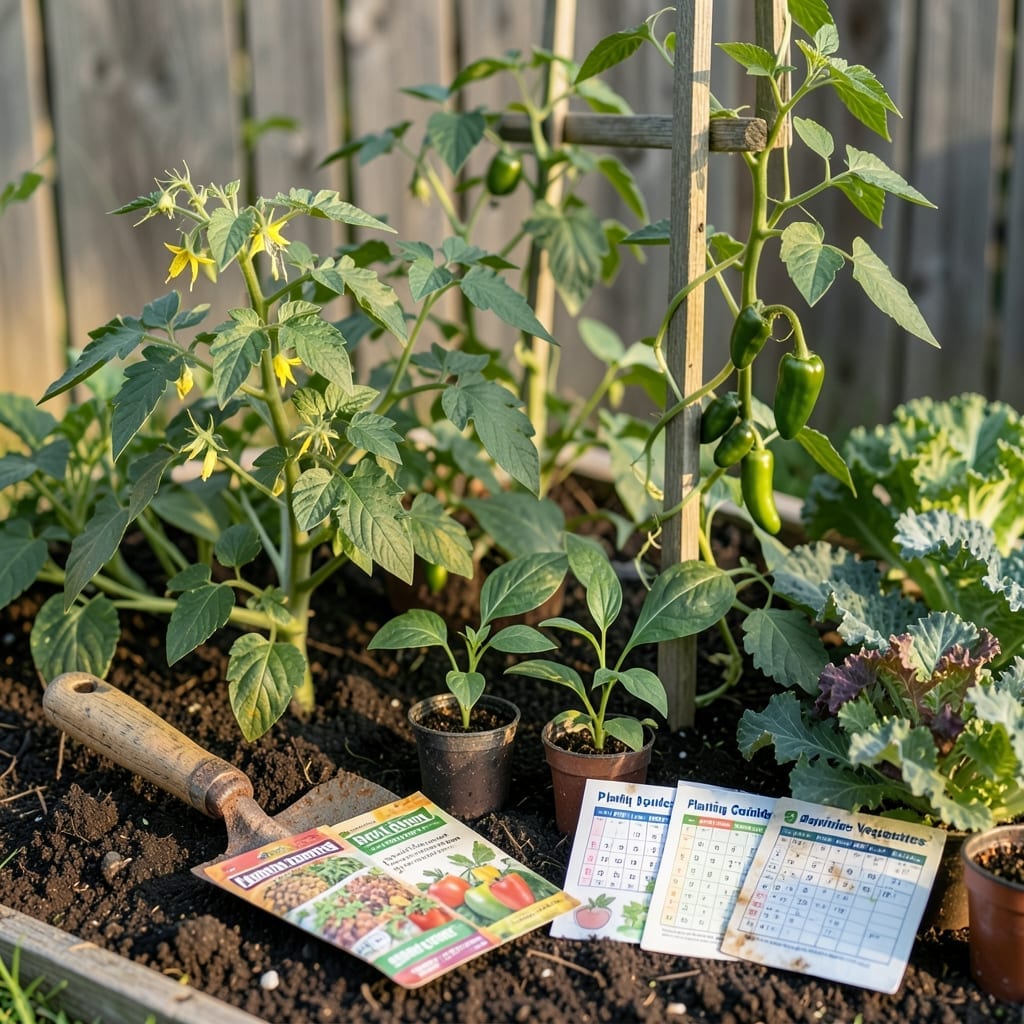
Gardeners in Zone 9b have a special superpower: the ability to grow Vegetables year-round. With mild winters and hot summers, timing is everything to maximize your harvests.
I’ve spent years refining the perfect planting windows for this unique climate. The 🥕 Vegetable thrives here when you follow the natural rhythm of the seasons.
Discover how to align your planting with Zone 9b’s frosty and frost-free periods. You’ll learn the exact months to start seeds and when to expect bountiful harvests.

Zone 9b offers a unique year-round growing opportunity. I’ve found that timing your planting with the frost dates and soil temperatures is key to success here.
With 300 frost-free days, you can grow multiple crops annually. The last frost typically hits around February 15, while the first arrives by December 15. This gives you a wide window for both cool-season and warm-season vegetables. 🌱
| Season | Best Vegetables | Planting Months |
|---|---|---|
| Cool Season | Lettuce, Broccoli, Carrots | Sept – Feb |
| Warm Season | Tomatoes, Peppers, Cucumbers | Mar – Aug |
| Transition | Green Beans, Squash | Aug – Sept |
For cool-season crops, start planting in September through February. Lettuce and broccoli thrive in these cooler months. I always
Warm-season vegetables like tomatoes and peppers do best when planted from March to August. The soil temperature should be at least 60°F for these heat-loving plants to flourish.
The transition months of August and September are perfect for quick-growing crops like green beans and squash. These can bridge the gap between your summer and fall harvests.
I recommend using a soil thermometer to check conditions before planting. Consistent moisture is crucial, especially during the hotter months. A drip irrigation system can be a game-changer for maintaining even watering.
Don’t forget about succession planting. By staggering your planting dates every 2-3 weeks, you can enjoy continuous harvests of leafy greens and radishes throughout the growing season.
Zone 9b’s long growing season also allows for second crops of many vegetables. After harvesting your spring tomatoes, you can often plant a fall crop of bush beans or beets in the same space.
Zone 9b gardeners have a fantastic variety of vegetables to choose from. I’ve tested dozens over the years and found that tomatoes, peppers, and cucumbers thrive in the warm season here. 🌱
For cool seasons, broccoli, kale, and carrots perform exceptionally well. These crops love the milder temperatures and can often be harvested multiple times.
The maturity time varies by vegetable. Radishes can be ready in just 30 days, while tomatoes typically need 60-90 days. I always check the seed packet for exact timing.
Succession planting is a game-changer in Zone 9b. For leafy greens, I plant new seeds every 2-3 weeks to ensure a continuous supply. This works especially well with lettuce and spinach. 🌿
Don’t overlook heat-tolerant varieties. In our hot summers, I’ve had great success with Okra and Sweet Potatoes. These thrive when other plants wilt.
For maximum yields, I recommend using a planting calendar to track your sowing dates and harvest windows. This helps you stay organized and make the most of Zone 9b’s long growing season.